
Global Leaders Converge at UN to Address War, AI, and Climate Shocks
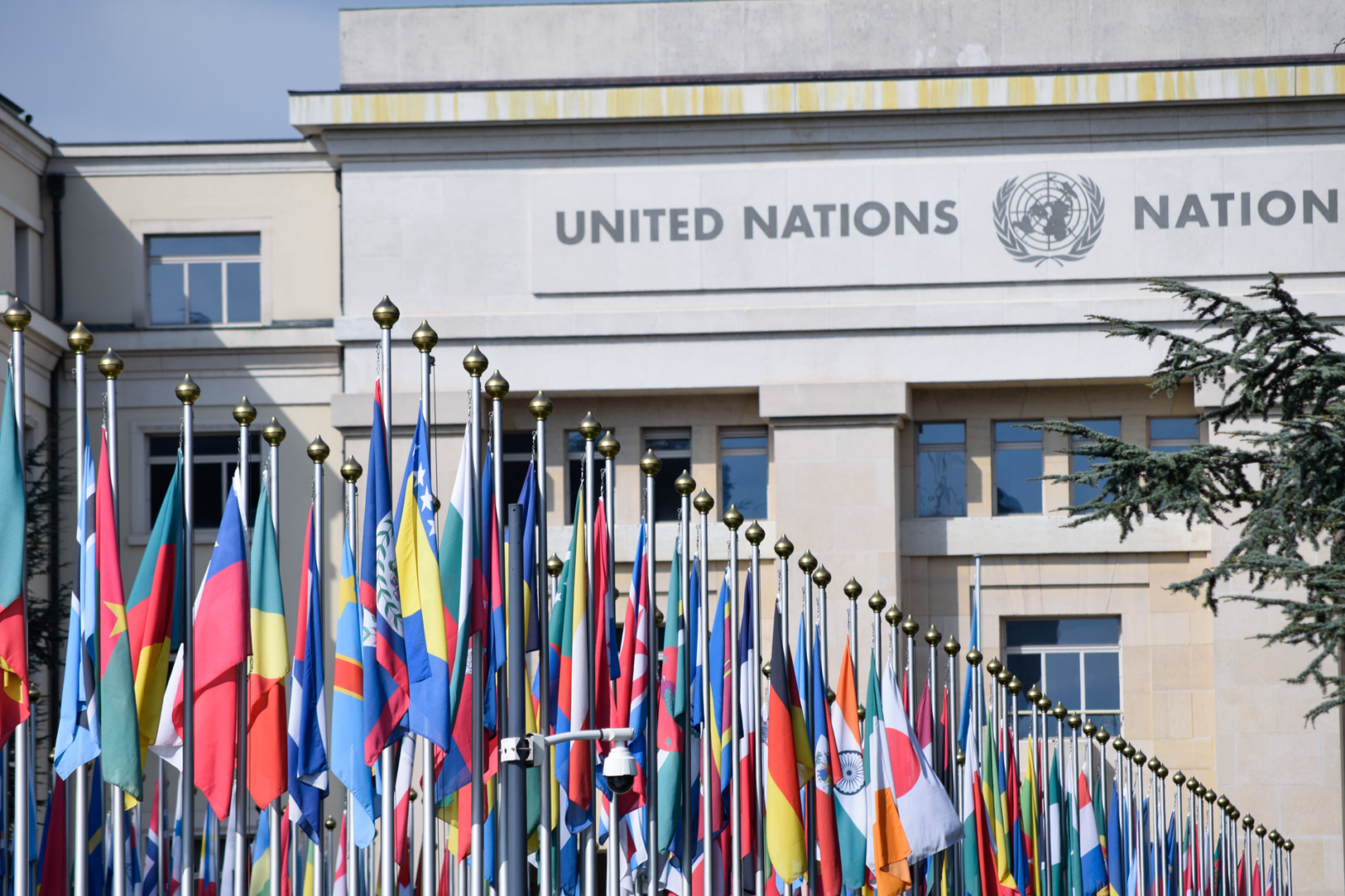
NEW YORK — September 21, 2026
World leaders convened at the United Nations today to address three of the most pressing challenges facing humanity: ongoing conflicts, the rapid advancement of artificial intelligence (AI), and the escalating impacts of climate change. This high-stakes meeting comes at a critical juncture, as nations grapple with the interconnectedness of these issues and their implications for global stability and security.
The meeting, which began at 10:00 AM EDT, is part of the UN General Assembly’s annual session, where heads of state and government representatives gather to discuss international priorities. This year, the agenda is particularly urgent, reflecting a growing consensus that the ramifications of war, unchecked AI development, and climate shocks are not isolated but rather intertwined challenges that require coordinated global action.
Key figures involved in the discussions include UN Secretary-General António Guterres, who has been vocal about the need for a unified response to these crises. Guterres emphasized the importance of international cooperation, stating, “We must confront these challenges together, as they threaten our very existence and the future of our planet.” Additionally, leaders from nations such as the United States, China, and several European countries are expected to present their strategies and commitments to address these issues.
The impetus for this meeting stems from a series of alarming developments over the past year. The ongoing conflict in Ukraine continues to destabilize Europe, while tensions in the Middle East and Asia have raised concerns about potential escalations. Concurrently, advancements in AI technology have sparked debates about ethical considerations and regulatory frameworks, particularly in military applications. Furthermore, the increasing frequency and severity of climate-related disasters have underscored the urgent need for comprehensive climate action.
Financial interests are also at stake, as nations consider the economic implications of climate change and the potential for AI to reshape industries. The global economy is projected to face significant disruptions if these issues are not addressed, with estimates suggesting that climate-related damages could cost the global economy trillions of dollars by 2050.
This meeting is receiving heightened attention due to the convergence of these crises and the potential for significant policy shifts. As public awareness grows regarding the implications of AI and climate change, there is increasing pressure on leaders to take decisive action.
Locally, the discussions may influence U.S. policy on climate initiatives and AI regulation, while globally, they could lead to new treaties or agreements aimed at fostering international cooperation. The outcomes of this meeting could set the stage for future diplomatic efforts and shape the global agenda for years to come.
Looking ahead, the next steps will likely involve the drafting of resolutions that address these issues comprehensively. Key deadlines include the upcoming climate summit in November 2026, where nations will be expected to present their commitments to reducing carbon emissions and enhancing climate resilience. Additionally, discussions on AI governance are expected to continue, with potential proposals for international standards and regulations.
As the world watches, the decisions made at this UN meeting could have far-reaching implications, not only for international relations but also for the future of humanity itself.
Source: AP News










Iran Warns of Expanding War Geography Amid U.S. Tensions
Iran's recent warning about the potential expansion of conflict geography signals a...
 1 Mins read

Major News Organizations Sue Trump Over Denied White House Access
CNN, MS NOW, and Politico have initiated legal action against former President...
2 Mins read
Iran Issues Stark Warning of Expanded Military Targets in Response to U.S. Actions
Iran has signaled a potential escalation in military readiness, warning of new...
2 Mins read



Trump Proposes ‘Top Grade Military Complex’ in Iran
Former President Donald Trump's recent statement regarding a proposed military complex in...
2 Mins read

Leave a comment