
Hormuz Oil Shipments Reach Six-Month High, Signaling Market Shifts
MIAMI — September 20, 2026
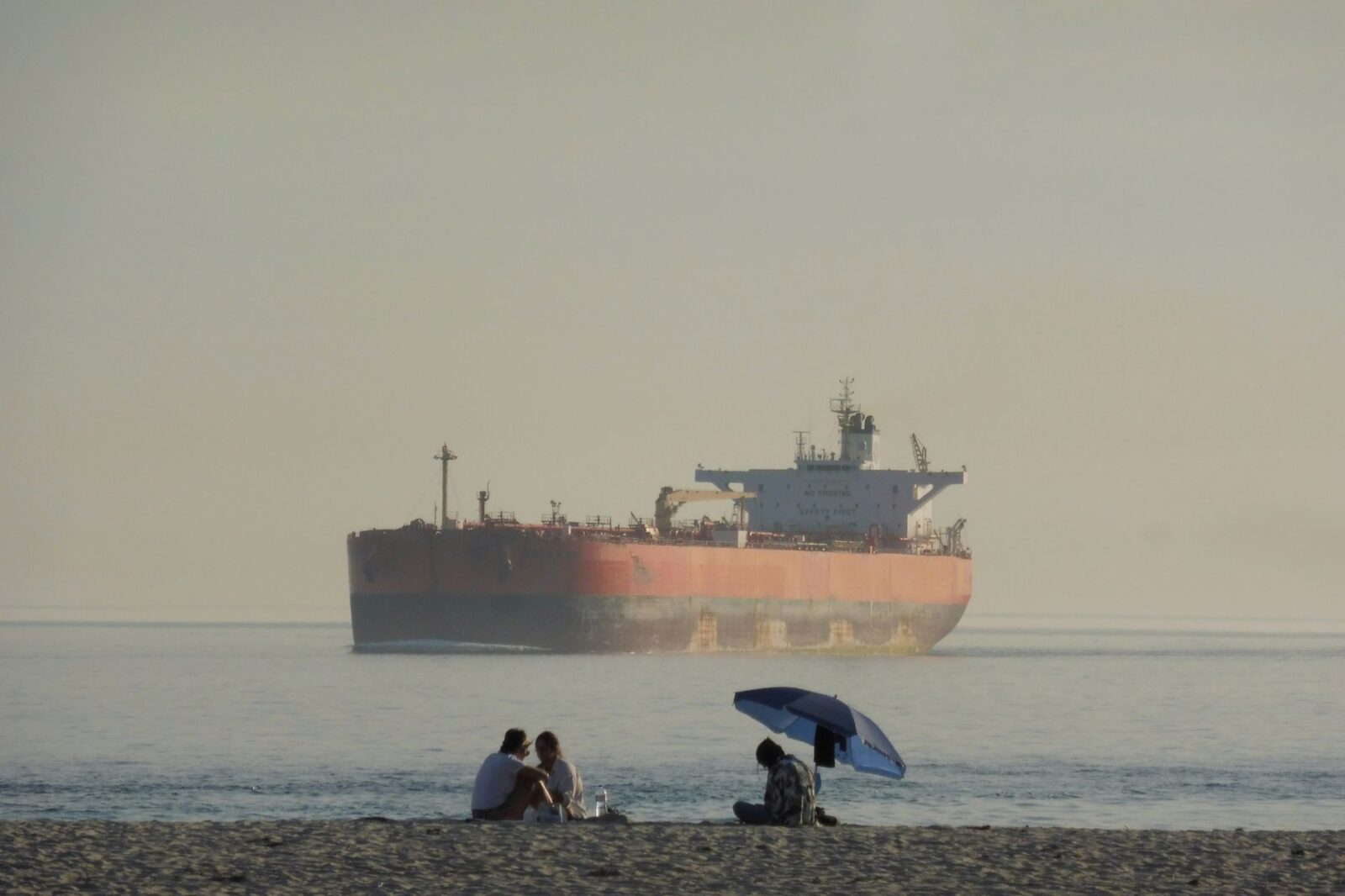
In a notable development for global oil markets, shipments through the Strait of Hormuz have reached a six-month high, as reported by U.S. military sources on September 19, 2026. This increase in oil flow is particularly significant given the strategic importance of the Strait of Hormuz, which serves as a critical chokepoint for approximately 20% of the world’s oil supply.
The U.S. Central Command, which oversees military operations in the region, confirmed that the uptick in shipments is indicative of a more stable shipping environment, despite ongoing geopolitical tensions. The commander of U.S. Central Command, General Michael Kurilla, stated that the increase reflects both enhanced security measures and a resurgence in oil demand globally.
This surge in shipments comes at a time when global oil prices have been volatile, influenced by various factors including OPEC+ production decisions, geopolitical tensions in the Middle East, and shifts in demand patterns due to economic recovery post-pandemic. The six-month high in shipments is expected to have a stabilizing effect on oil prices, which have seen fluctuations due to concerns over supply disruptions.
The increase is also attributed to improved relations among Gulf Cooperation Council (GCC) countries, which have been working towards greater economic cooperation and stability in the region. This cooperative approach may have contributed to a more secure maritime environment, allowing for increased oil transport through the Strait.
Why this development matters cannot be overstated. The Strait of Hormuz is not only a vital artery for oil shipments but also a focal point for international maritime security. Any disruption in this region can have far-reaching implications for global energy markets and economic stability. The current increase in shipments may alleviate some of the market’s anxiety regarding potential supply disruptions, particularly in light of previous tensions involving Iran and other regional actors.
Looking ahead, the situation warrants close monitoring. Analysts suggest that if the trend of increased shipments continues, it could lead to a more stable pricing environment for oil in the coming months. However, any resurgence of geopolitical tensions, particularly involving Iran, could quickly alter this trajectory. The U.S. military’s ongoing presence in the region will likely remain a key factor in ensuring the security of these vital shipping lanes.
In conclusion, the recent spike in oil shipments through the Strait of Hormuz is a significant indicator of both market dynamics and geopolitical stability. Stakeholders in the energy sector, as well as policymakers, will need to remain vigilant as they navigate the complexities of this critical region.
Source: Bloomberg.com










Escalation of US Tariffs on Canadian Dairy Farmers Impacts Exports
Recent increases in US tariffs on Canadian dairy products are significantly affecting...
 2 Mins read

Federal Reserve Approves Interest Rate Hike: Implications for the Economy
The Federal Reserve's recent interest rate hike aims to combat inflation, impacting...
2 Mins read

Hawk Kashkari Warns of Persistent Inflation, Advocates for Rate Hikes
Federal Reserve President Neel Kashkari emphasizes the need for continued rate hikes...
2 Mins read



White House Takes Control of NIH Grants: A New Era in Health Research Funding
The White House's recent decision to take control of NIH grants signifies...
2 Mins read

Leave a comment