
Russia’s Ruling Party Secures Victory in Wartime Election Amid Drone Strikes

MOSCOW — September 20, 2026
In a significant geopolitical development, Russia’s ruling party, United Russia, has secured a decisive victory in the recent parliamentary elections held on September 19, 2026. This election took place under the shadow of ongoing drone strikes in Moscow, which have heightened tensions both domestically and internationally.
The elections were marked by a backdrop of military conflict, as Russia continues its engagement in Ukraine, which has been ongoing since 2022. The drone strikes, attributed to Ukrainian forces, have intensified in recent weeks, targeting key infrastructure and government buildings in Moscow. This situation has raised concerns about the stability of the Russian government and the implications for its foreign policy.
United Russia, led by Prime Minister Mikhail Mishustin, won approximately 70% of the votes, according to preliminary results released by the Central Election Commission. This outcome is seen as a consolidation of power for President Vladimir Putin, who has been in office since 1999, and reflects the party’s ability to maintain control even in the face of significant military challenges.
The election was triggered by a combination of factors, including the need for a renewed mandate amid ongoing conflict and the government’s efforts to rally public support in a time of crisis. The Kremlin has framed the election as a referendum on national security, emphasizing the need for stability and continuity in leadership during wartime.
Financially, the stakes are high. The Russian economy has been under strain due to international sanctions and the costs associated with the military campaign in Ukraine. Analysts estimate that the war has cost Russia over $300 billion, impacting various sectors, including energy and defense. The ruling party’s victory is expected to reinforce policies aimed at sustaining military expenditures and managing economic challenges.
This election is receiving heightened attention due to its timing amidst the drone strikes, which have not only disrupted daily life in Moscow but have also raised questions about the effectiveness of the Russian military and the government’s ability to protect its citizens. The international community is closely monitoring the situation, as the outcome could influence Russia’s future military strategies and diplomatic relations.
Looking ahead, the immediate implications of this election may include a potential escalation in military operations in Ukraine, as the government seeks to project strength following its electoral victory. Additionally, the Kremlin may tighten domestic security measures in response to the drone strikes, which could lead to increased repression of dissent and further restrictions on civil liberties.
As the world watches, the ramifications of this election will likely extend beyond Russia’s borders, influencing global security dynamics and international relations in the coming months.
Source: Global Banking & Finance Review





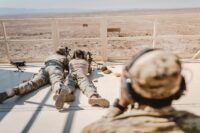


Trump Unveils Plans for Military Complex Featuring Drones and Snipers at Washington’s Triumphal Arch
The announcement of a military complex by Donald Trump at a significant...
 2 Mins read
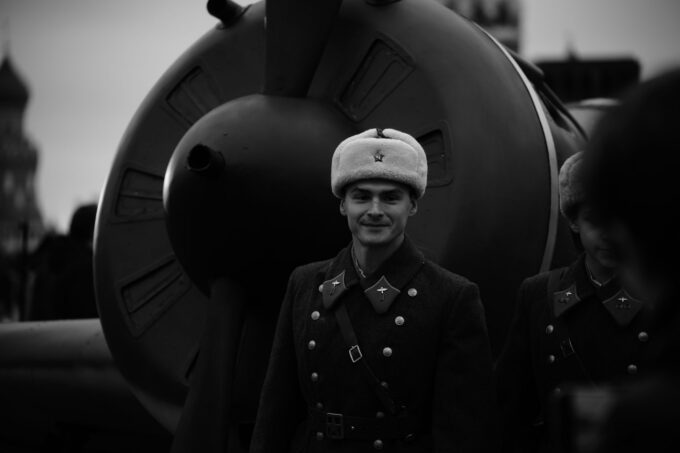
Russia’s Ruling Party Poised for Victory in Wartime Election Amid Drone Strikes
The ruling pro-Putin party is on track to secure a significant electoral...
2 Mins read
Eighteen Suspects in Haitian President’s Assassination Extradited to the U.S.
The extradition of suspects involved in the assassination of Haiti's president marks...
2 Mins read


Ukraine Launches Largest Drone Attack on Moscow, Targeting Over 1,000 Drones
The unprecedented drone assault on Moscow marks a significant escalation in the...
2 Mins read

Leave a comment