
IndyCar Race Set to Transform Washington D.C. Streets into High-Speed Venue
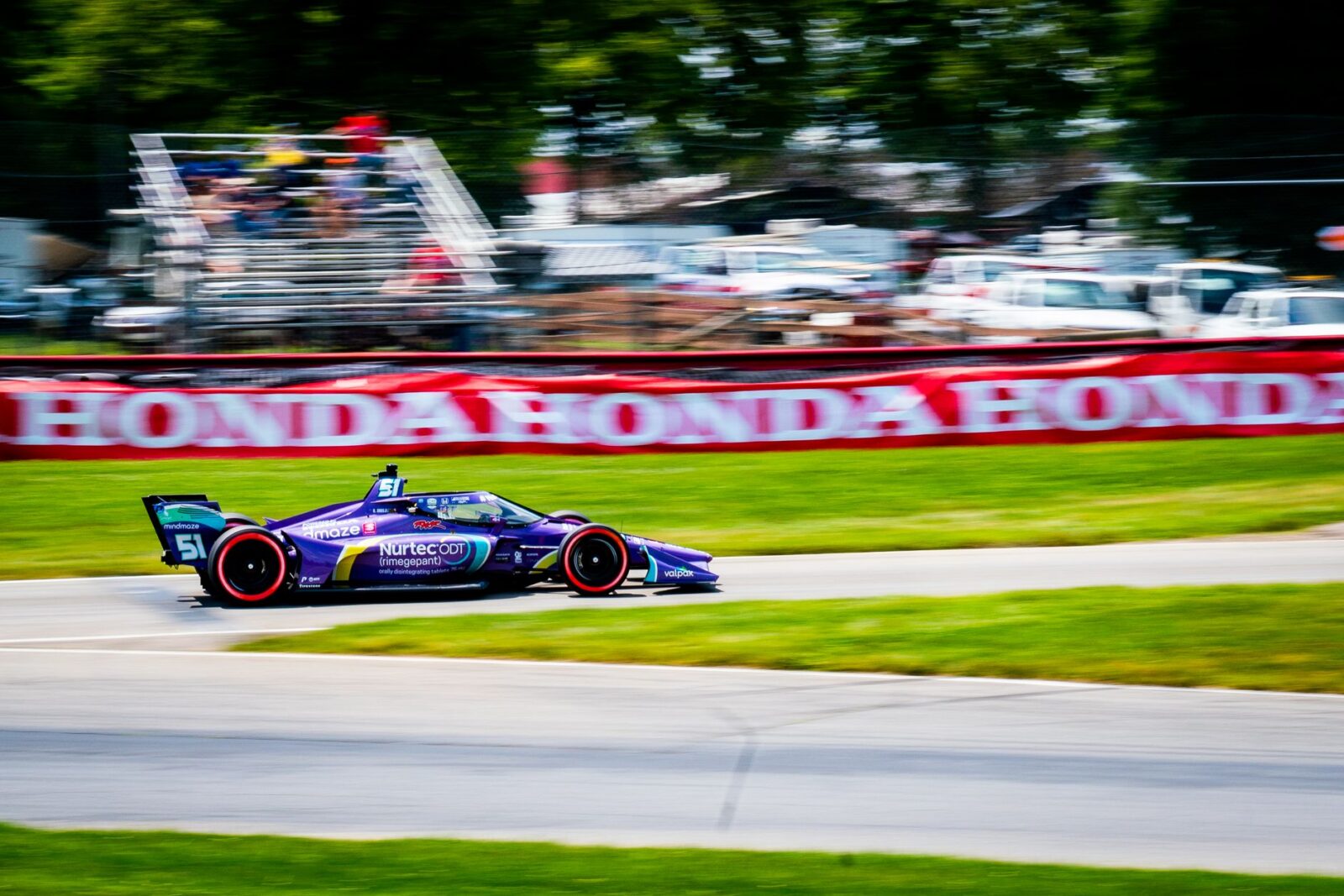
On July 30, 2026, the streets of Washington D.C. are poised to host an exhilarating IndyCar race, a significant event that promises to attract large crowds and invigorate the local economy. This race, part of the IndyCar Series, is expected to showcase the prowess of elite drivers and high-performance vehicles, drawing attention not only from motorsport enthusiasts but also from global investors and sponsors keen to capitalize on the event’s visibility.
The race is organized by the IndyCar Series in collaboration with local authorities and the D.C. government, reflecting a growing trend of integrating major sporting events into urban environments. This initiative aligns with D.C.’s broader economic strategy to boost tourism and stimulate business in the hospitality and retail sectors, particularly post-pandemic. Officials have indicated that the event is anticipated to generate millions in revenue, highlighting the economic stakes involved.
Nationally, the race underscores the increasing significance of urban motorsport as a cultural and economic phenomenon. It serves as a platform for promoting automotive innovation and sustainability within the racing industry, which is crucial as global markets shift toward eco-friendlier technologies. Furthermore, the event positions D.C. as a competitive player on the international sporting landscape, akin to cities like Monaco and Singapore that have successfully integrated racing into their urban fabric.
Looking ahead, the success of the IndyCar race could pave the way for similar events in other U.S. cities, potentially reshaping the landscape of American motorsport. Stakeholders will be closely monitoring the race’s outcomes, not only for economic indicators but also for its impact on urban policy and infrastructure development. As D.C. prepares for this high-speed spectacle, the implications for the local community, national identity in motorsport, and international engagement in urban events remain profound.
Source: The Washington Post










FBI Investigates Trump for Potential Russian Asset Links Following Comey Dismissal
The FBI's secret investigation into Trump's potential ties to Russia raises critical...
 1 Mins read

FBI’s Secret Investigation into Trump as Potential Russian Asset Uncovered in Declassified Memos
The revelation of the FBI's investigation into Trump as a potential Russian...
1 Mins read
New Intelligence Reveals Allegations of FBI Misconduct in Trump Investigation
Recent intelligence suggests potential misconduct by the FBI in the investigation of...
1 Mins read
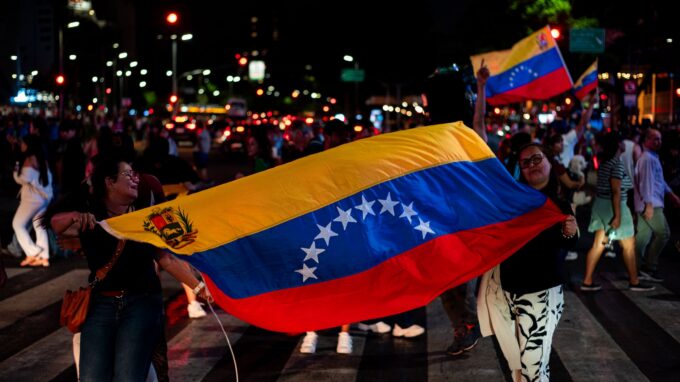


Venezuela Faces New Political Challenges Amid Economic Turmoil on August 6, 2026
Venezuela's political landscape shifts dramatically as economic pressures intensify, affecting governance and...
1 Mins read

Leave a comment