
Innovative Underwater Umbrellas: A New Approach to Coral Reef Protection
MIAMI — October 2, 2026
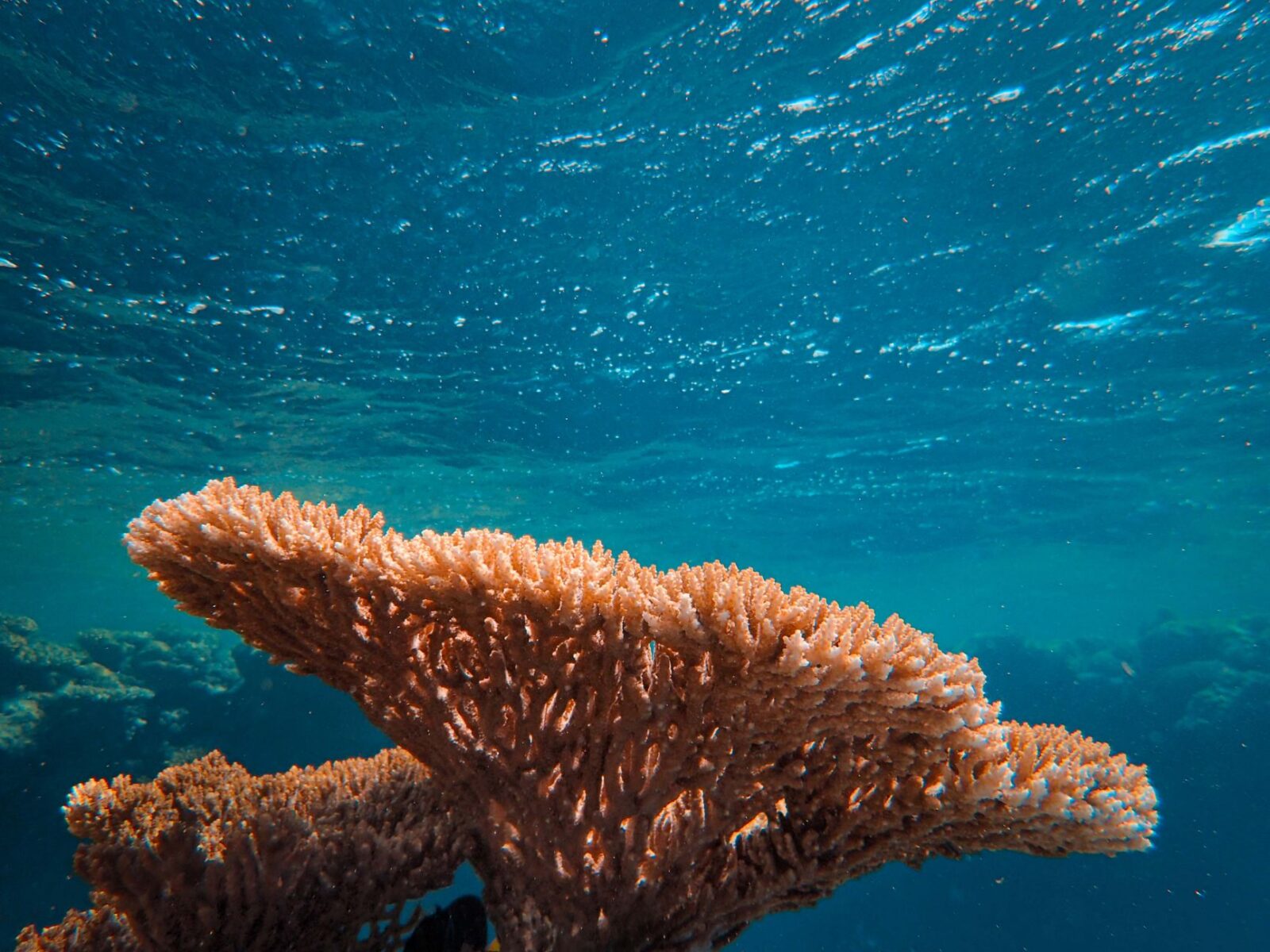
In a groundbreaking development for marine conservation, new research published today highlights the potential of underwater umbrellas as a protective measure for coral reefs against heat damage. This innovative approach aims to combat the escalating threats posed by climate change, particularly rising ocean temperatures that have led to widespread coral bleaching.
The study, detailed in an article on Phys.org, outlines how these underwater umbrellas can create shaded environments for coral ecosystems, thereby mitigating the harmful effects of excessive heat. As global temperatures continue to rise, the health of coral reefs—vital ecosystems that support marine biodiversity and coastal protection—has come under increasing threat.
Conducted by a team of marine scientists, the research emphasizes the urgency of developing effective strategies to protect coral reefs, which are not only crucial for marine life but also for the livelihoods of millions of people who depend on them for fishing and tourism. The study’s findings are particularly relevant as coral reefs have experienced significant declines in health due to climate-related stressors.
Coral bleaching, a phenomenon where corals expel the symbiotic algae living in their tissues due to stress from heat, has been documented globally. The introduction of underwater umbrellas could represent a significant shift in conservation strategies, offering a tangible solution to a pressing environmental issue.
The research was prompted by alarming statistics: according to the National Oceanic and Atmospheric Administration (NOAA), approximately 50% of the world’s coral reefs have been lost in the last 30 years. The financial implications are also substantial, with the global reef tourism industry valued at over $36 billion annually.
As this research gains traction, it is receiving heightened attention from environmentalists, policymakers, and the scientific community. The urgency of protecting coral reefs has never been more pronounced, especially as international discussions on climate action intensify. The findings could influence future conservation policies and funding allocations aimed at preserving marine ecosystems.
Looking ahead, the next steps will likely involve pilot projects to test the effectiveness of these underwater umbrellas in real-world conditions. Collaborations between marine biologists, environmental organizations, and governmental bodies will be essential to implement this innovative solution on a larger scale. If successful, this approach could pave the way for new conservation techniques that address the challenges posed by climate change, ultimately contributing to the resilience of coral reefs worldwide.
Source: Phys.org








Underwater Umbrellas Show Promise in Combatting Coral Bleaching
Recent findings reveal the effectiveness of underwater umbrellas in reducing coral bleaching,...
 1 Mins read
Innovative Underwater Umbrellas Developed to Shield Coral Reefs from Heat Damage
Scientists have unveiled a groundbreaking solution to protect coral reefs from the...
1 Mins read


Florida Scientists Develop Underwater Umbrellas to Shield Coral Reefs
A groundbreaking innovation in marine conservation, underwater umbrellas aim to protect coral...
2 Mins read

Amazon Secures 20-Year Nuclear Power Agreement with Constellation for East Coast Operations
Amazon's strategic move to sign a long-term nuclear power purchase agreement marks...
2 Mins read
Leave a comment