
Iran Closes Strait of Hormuz Amid Escalating US Military Response
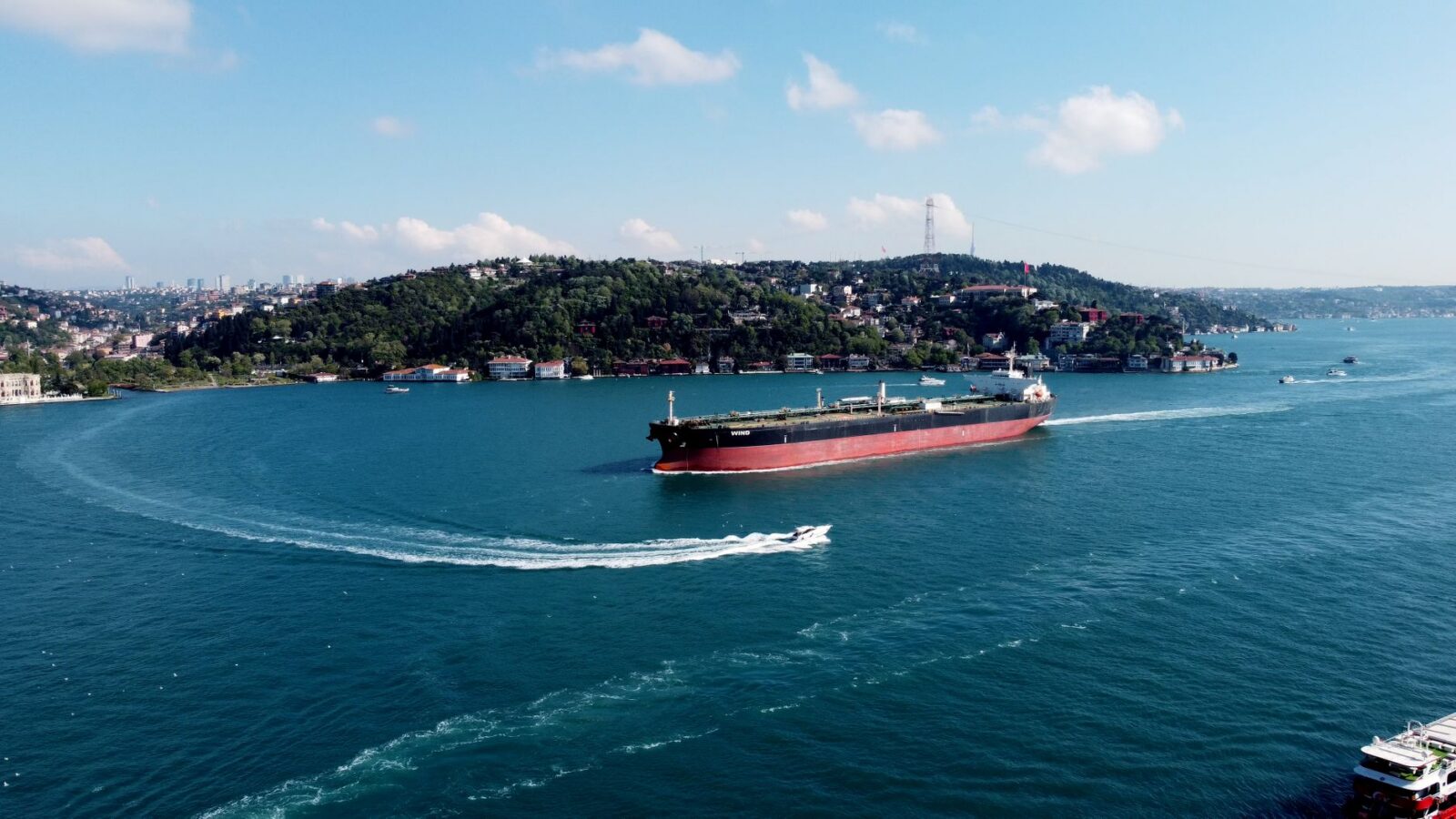
On July 12, 2026, Iran announced the closure of the Strait of Hormuz, a strategic waterway through which approximately 20% of the world’s oil passes. This decision follows escalating tensions between the Iranian government and the United States, particularly after recent military engagements in the region. The closure was confirmed by Iranian state media and is viewed as a significant act of defiance against U.S. interests in the Middle East.
The U.S. military has responded with a series of airstrikes targeting Iranian naval assets believed to be involved in the closure. These strikes are part of a broader strategy to assert freedom of navigation in international waters and protect vital shipping lanes. The U.S. Central Command issued a statement highlighting the necessity of maintaining security in the region, emphasizing that such actions are aimed at deterring further Iranian aggression.
This development is critical not only for regional stability but also for the global economy. The Strait of Hormuz serves as a crucial conduit for oil shipments to Europe and Asia, and any prolonged closure could lead to significant disruptions in oil supply, triggering price hikes and economic instability worldwide. Additionally, this escalation raises concerns about the potential for broader military conflict in the region, with implications for international diplomatic efforts and energy security.
Looking ahead, the situation remains precarious. Diplomatic channels may be strained as both nations prepare for possible retaliatory measures. The Iranian government may seek to leverage the closure to gain bargaining power in international negotiations, while the U.S. is likely to increase its military presence in the region to counter Iranian actions. The response from global oil markets and allied nations will be crucial in determining the next steps, as the international community watches closely for any signs of de-escalation or further hostilities.
Source: dw.com







Supreme Court Bench Reviews 2022 PMLA Verdict Amidst Legal Turmoil
The Supreme Court's decision to review the PMLA verdict echoes significant global...
 1 Mins read
Senator Gallego Warns Against Rushed Vote on Crypto CLARITY Act
Senator Gallego cautions that hastening the Crypto CLARITY Act vote could lead...
1 Mins read
Trump Asserts US Dominance in AI During Crypto Forum
Former President Trump emphasizes America's leadership in AI, a critical topic for...
1 Mins read



Gallego Raises Alarm Over Potential Delays in CLARITY Act Vote
Urgent concerns emerge as the CLARITY Act faces a hasty vote, risking...
1 Mins read