
Senator Gallego Warns Against Rushed Vote on Crypto CLARITY Act
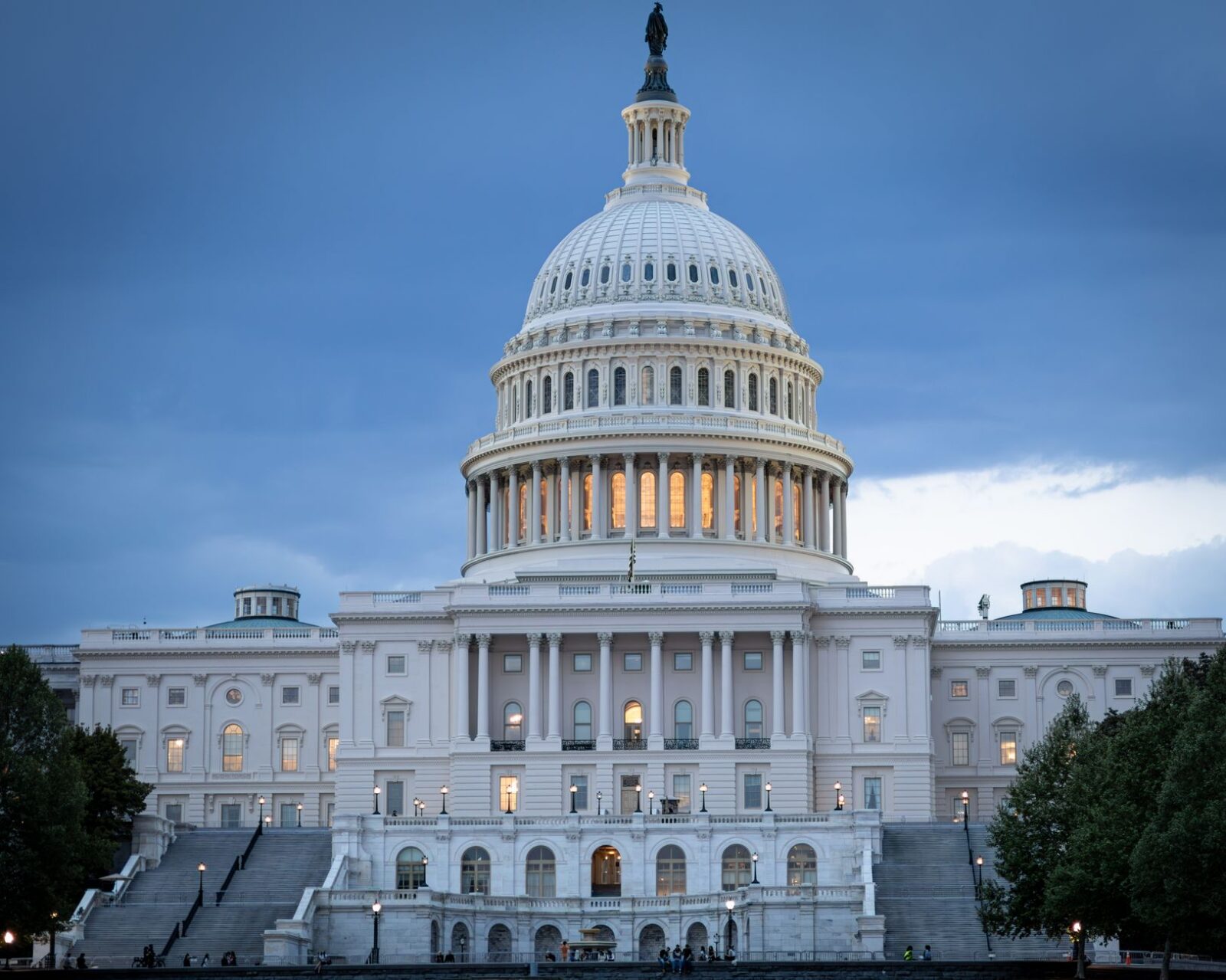
In a significant development on August 20, 2026, Democratic Senator Ruben Gallego publicly expressed his concerns regarding the expedited voting process for the proposed Crypto CLARITY Act. This act, aimed at providing regulatory clarity for the cryptocurrency industry, is currently under intense scrutiny in the Senate. Senator Gallego’s remarks highlight the potential risks associated with rushing the legislative process, emphasizing that such haste could undermine the very objectives of the bill.
Senator Gallego, a prominent voice in the Senate’s discussions on cryptocurrency regulation, articulated his apprehensions during a press briefing in Washington, D.C. He noted that a hasty vote could result in inadequate provisions that fail to address key issues within the rapidly evolving digital asset market. Gallego’s concerns come amidst increasing pressure from both proponents of cryptocurrency and regulatory bodies seeking to establish a framework that fosters innovation while ensuring consumer protection.
The urgency surrounding the Crypto CLARITY Act stems from the growing popularity of cryptocurrencies, which have surged in adoption and investment over the past few years. As digital currencies become more integrated into the financial system, lawmakers are grappling with how to regulate this burgeoning sector effectively. Gallego’s warning resonates with many industry stakeholders who fear that a rushed approach could lead to regulatory gaps and unintended consequences, stifling innovation in a sector that is vital to economic growth.
Looking ahead, the Senate is expected to continue deliberations on the Crypto CLARITY Act, with a potential vote scheduled in the coming weeks. Should the Senate proceed without addressing the concerns raised by Senator Gallego and others, there is a risk of backlash from both the cryptocurrency community and the public, which could impede future legislative efforts aimed at establishing a comprehensive regulatory framework. The outcome of this vote will be closely monitored, as it could set a precedent for how cryptocurrencies are governed in the United States.
Source: bloomingbit






Supreme Court Bench Reviews 2022 PMLA Verdict Amidst Legal Turmoil
The Supreme Court's decision to review the PMLA verdict echoes significant global...
 1 Mins read
Trump Asserts US Dominance in AI During Crypto Forum
Former President Trump emphasizes America's leadership in AI, a critical topic for...
1 Mins read

Gallego Raises Alarm Over Potential Delays in CLARITY Act Vote
Urgent concerns emerge as the CLARITY Act faces a hasty vote, risking...
1 Mins read



Giriraj Singh Accuses Congress of Disrespecting Vande Mataram, Labels Party as ‘Muslim League’
This accusation highlights ongoing tensions in Indian politics regarding nationalism and religious...
1 Mins read
Leave a comment