
Judicial Watch Initiates Legal Action Against FBI Over January 6 Committee Phone Records

On July 29, 2026, Judicial Watch, a conservative watchdog group, filed a lawsuit against the Federal Bureau of Investigation (FBI) seeking access to records concerning the transfer of approximately 30 million phone records by the January 6 Committee. This legal action is rooted in the group’s assertion of the public’s right to know about governmental surveillance and data handling practices, particularly in relation to a pivotal moment in American democracy—the events surrounding the Capitol insurrection on January 6, 2021.
The lawsuit, filed in the U.S. District Court for the District of Columbia, directly involves Judicial Watch, the FBI, and the January 6 Committee, which was established to investigate the circumstances and causes of the Capitol riot. The committee, composed of lawmakers from both parties, has faced criticism over its approach to gathering and analyzing data, raising questions about privacy rights and the extent of governmental authority in monitoring citizens.
This development is particularly significant as it underscores ongoing debates about transparency and accountability within U.S. governmental institutions. The matter resonates on multiple levels—nationally, it raises alarms about civil liberties and the potential for governmental overreach; regionally, it may influence legislative discussions regarding the oversight of intelligence and law enforcement agencies; and globally, it reflects broader concerns about privacy and democratic governance in an era increasingly defined by digital surveillance.
Looking ahead, the outcome of this lawsuit could set a precedent for future cases involving governmental transparency and the limits of surveillance. Should Judicial Watch succeed, it may compel the FBI to disclose more information about its data collection methods, potentially leading to reforms in how governmental agencies handle personal data. Conversely, a ruling in favor of the FBI could reinforce the agency’s current practices, perpetuating the ongoing tension between national security and individual privacy rights.
Source: judicialwatch.org










FBI Investigates Trump for Potential Russian Asset Links Following Comey Dismissal
The FBI's secret investigation into Trump's potential ties to Russia raises critical...
 1 Mins read

FBI’s Secret Investigation into Trump as Potential Russian Asset Uncovered in Declassified Memos
The revelation of the FBI's investigation into Trump as a potential Russian...
1 Mins read
New Intelligence Reveals Allegations of FBI Misconduct in Trump Investigation
Recent intelligence suggests potential misconduct by the FBI in the investigation of...
1 Mins read
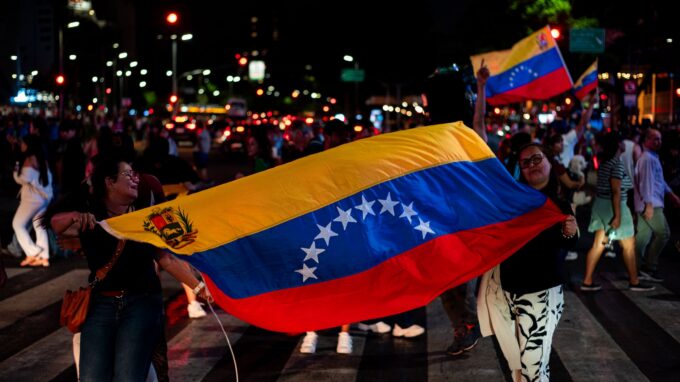


Venezuela Faces New Political Challenges Amid Economic Turmoil on August 6, 2026
Venezuela's political landscape shifts dramatically as economic pressures intensify, affecting governance and...
1 Mins read

Leave a comment