
Key Trends and Predictions: Insights from The European Business Review
 ABLUpdated 12 months Ago3 Mins read488
Celebrating World Luxury Day: A New Era for the Luxury Industry
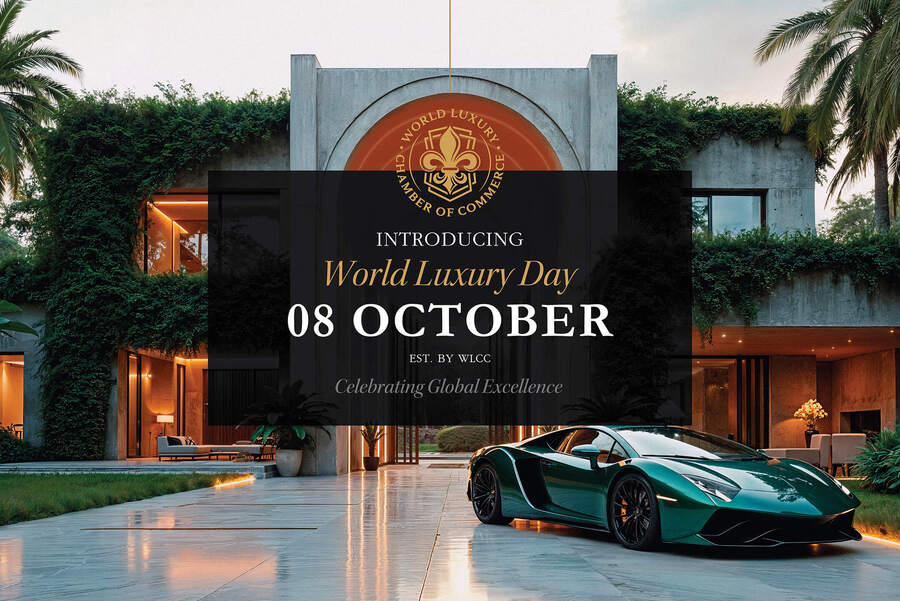
This year, October 8th marks a historic moment as World Luxury Day is officially added to the global calendar. This professional holiday, initiated by the World Luxury Chamber of Commerce (WLCC), aims to celebrate the craftsmanship, excellence, and innovation that define the luxury industry. As we embark on this global celebration, it’s essential to explore the emerging trends that will shape the future of luxury.
The Rise of Ultra-Personalized Goods
The luxury market has long embraced personalization, from engraving watches to monogramming bags. However, we are now witnessing a shift towards ultra-personalization, or "personalization 2.0." This new level of customer orientation leverages artificial intelligence (AI) to tailor products to the specific needs of individual customers.
Retailers are investing significantly in this trend. For instance, Saks Global reported substantial revenue growth from machine learning-based homepage personalization in 2025, providing each visitor with a customized shopping experience. According to BCG, companies that integrate AI-based personalization into their strategies consistently outperform their competitors, achieving higher growth and customer loyalty.
Wellness as the New Luxury
In today’s fast-paced world, luxury consumers are increasingly prioritizing wellness over traditional luxury experiences. The demand for healthy sleep and holistic well-being has surged, prompting high-net-worth individuals (HNWIs) to invest in cutting-edge wellness solutions, biohacking, and regenerative health.
Luxury hotels and resorts are adapting to this trend. Brands like Four Seasons and Aman are expanding their wellness offerings, focusing on stress relief, mindfulness, and longevity. LVMH is also emphasizing "skin longevity" in its beauty portfolio, positioning wellness as a new form of luxury that transcends mere aesthetics.
AI-Powered Luxury Services
AI is transitioning from a supportive role to a central component of the luxury experience. LVMH has strengthened its partnership with Google Cloud to develop centralized AI platforms that optimize everything from design to logistics. At the customer level, AI co-pilots are being tested in select maisons like Tiffany and Louis Vuitton, providing sales consultants with intelligent suggestions based on customer preferences.
A BCG report highlights that generative AI is the next frontier for luxury experiences, enabling personalized marketing and immersive brand journeys that enhance customer engagement.
Sustainability and Digital Product Passports (DPPs)
Sustainability is evolving from a mere aspiration to a regulatory necessity. The EU’s Ecodesign for Sustainable Products Regulation (ESPR) will require Digital Product Passports (DPPs) for textiles by 2026–2028, detailing a product’s provenance, materials, and recyclability. Far from being a compliance burden, DPPs can enhance a product’s lifetime value through resale and repair, setting a global standard for traceable, sustainable luxury.
World Luxury Day emphasizes responsible luxury, underscoring a commitment to ethics and sustainability within the industry.
Resale and Circular Luxury
Despite initial skepticism, the secondary luxury market is experiencing rapid growth. The Washington Post reports that China’s secondhand luxury market grew by 35% in 2025, driven by millennials and Gen Z shoppers who are increasingly purchasing pre-owned luxury items through platforms like ZZER and Super Zhuanzhuan.
This trend towards circular luxury allows fashion houses to attract younger buyers while integrating sustainability into their business models. The future of luxury will be measured not only by sales but also by the extended life cycles of a brand’s products.
Minimalism and Quiet Luxury
Gen Z is influencing the luxury market with a preference for "quiet luxury," which contrasts sharply with flashy branding and ostentatious logos. According to TheRealReal’s Resale Report, Gen Z spending on quiet luxury brands like The Row and Bottega Veneta rose 18% year-over-year, signaling a shift towards authenticity and meaning in luxury.
This trend suggests that luxury is becoming less about spectacle and more about genuine experiences and connections.
Philanthropy in Luxury
Philanthropy is increasingly becoming a core aspect of powerful luxury brands. LVMH’s support of art and heritage exemplifies how luxury is reimagining itself as a cultural patron. For the future elite, true status is not just about ownership but also about the legacy they create and the experiences they preserve for others.
World Luxury Day: A Celebration of Heritage and Innovation
These emerging trends highlight the direction in which the luxury sector is headed, making World Luxury Day the perfect occasion to celebrate both heritage and innovation. This day unites leaders, creators, and consumers, inspiring dialogue and transforming the way we experience and define luxury.
“I envision World Luxury Day as a global celebration where each sector showcases its uniqueness: fashion with shows or collaborations; hospitality with special packages; real estate with property viewings; and haute cuisine with tastings. The main goal is to honor craftsmanship, innovation, and unique experiences, but first and foremost, it’s a celebration for the people working in the luxury industry,” says Alexander Chetchikov, President of WLCC.
To learn more about World Luxury Day, visit the World Luxury Chamber of Commerce.









Discover the Newest Waterproof Gadgets that Come on Sale
I understand how that could positively effect your body, but alchemizing means...
ABL2 Mins read
Quiet Luxury Accessories Market Reaches Record High
The Rise of Quiet-Luxury Accessories: A Comprehensive Market Analysis In recent years,...
ABL2 Mins read
Consumer Harm is Escalating as Luxury Goods Sales Surge via Live Broadcasts on Platforms like Facebook and TikTok
Crackdown on Trademark Infringement in Live Broadcasting: A Growing Concern In recent...
ABL2 Mins read


Italian Regulators Criticize Luxury Brand Cucinelli for Russia Claims
Allegations Against Brunello Cucinelli: A Closer Look at the Controversy Shares in...
ABL2 Mins read
