
Liberia: A Complex New Chapter for Venezuelan Migrants
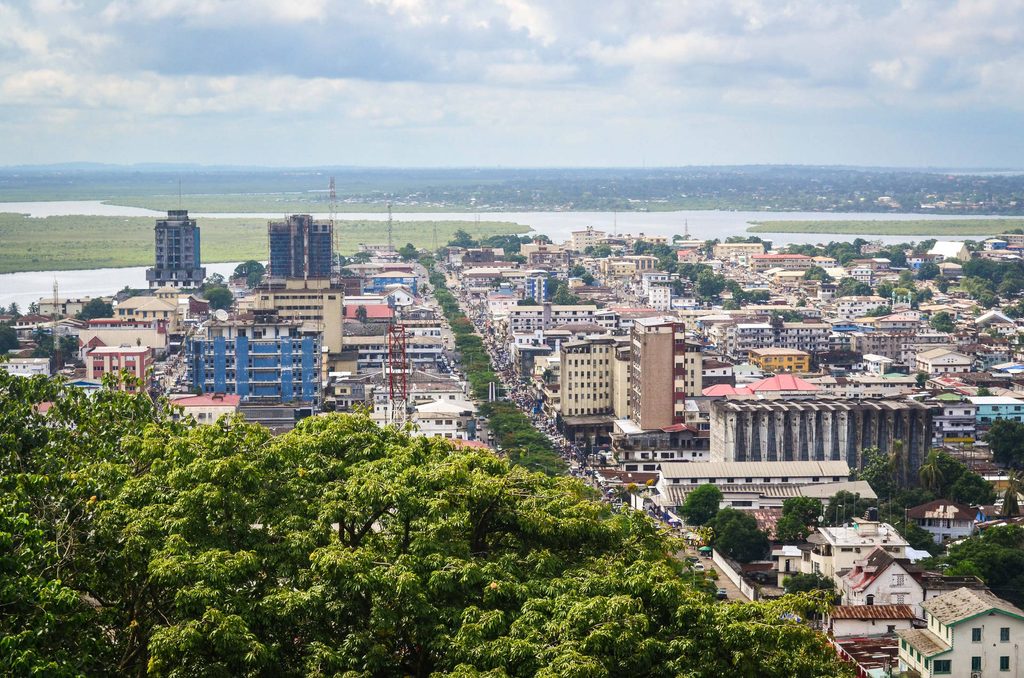
The Intersection of History and Humanity
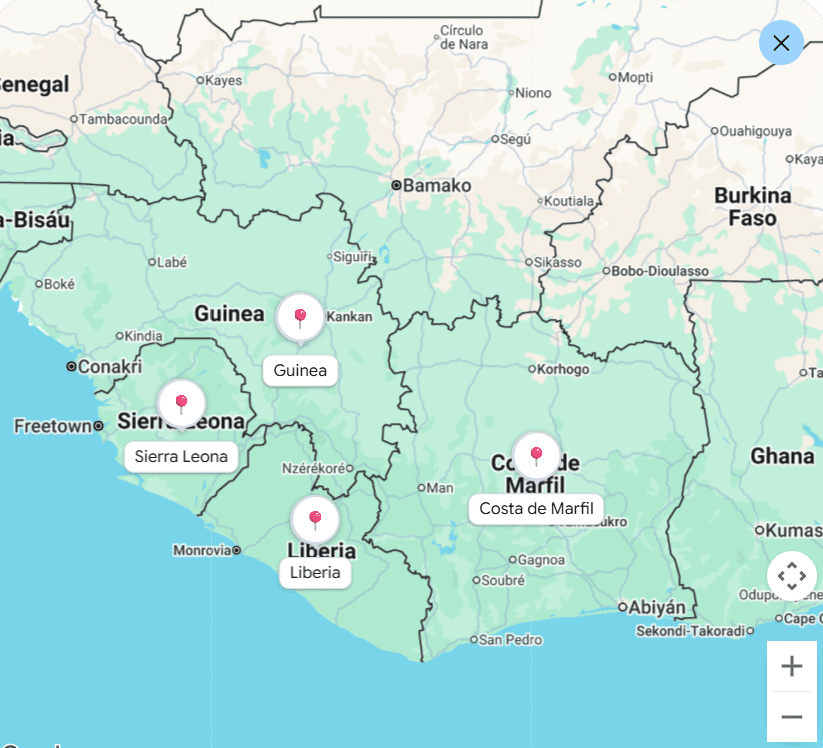
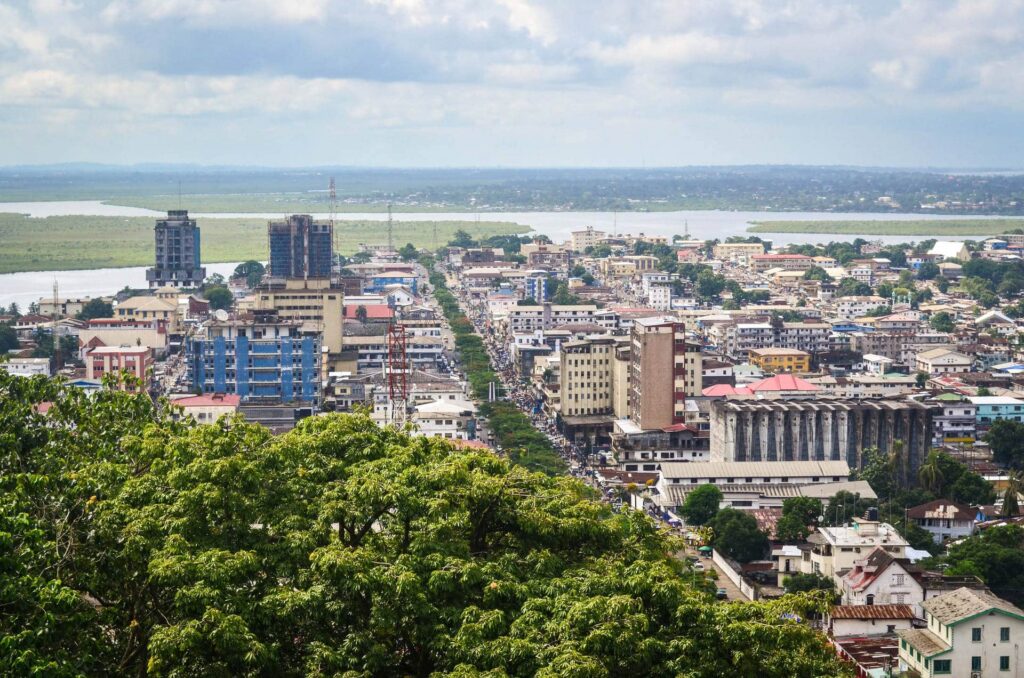
In an unexpected turn of events, Liberia has emerged as a destination for Venezuelan migrants deported from the United States. This development, confirmed by Liberia’s Minister of Information, Jerolinmek Piah, sheds light on a complex narrative that intertwines history, migration, and the quest for freedom.
A Historical Perspective
Founded in 1822 as a haven for freed African Americans, Liberia has a compelling backstory. Established by the American Colonization Society, this country was envisioned as a land where former slaves could reclaim their autonomy. It proclaimed its independence on July 26, 1847, becoming Africa’s first sovereign republic. However, this “Land of the Free” has faced its share of contradictions, as socio-political struggles have often overshadowed its foundational ideals.
Modern-Day Migration Challenges
The recent deportations are part of a broader agreement between the United States and Liberia, aimed at relocating up to 1,200 migrants from various nations over the next year. The inaugural flight landed in Monrovia on August 20, offering deportees a chance to apply for asylum or choose to leave the country. While this policy may provide a pathway for some, the socio-economic realities of Liberia pose significant challenges for newcomers.
Socio-Economic Landscape
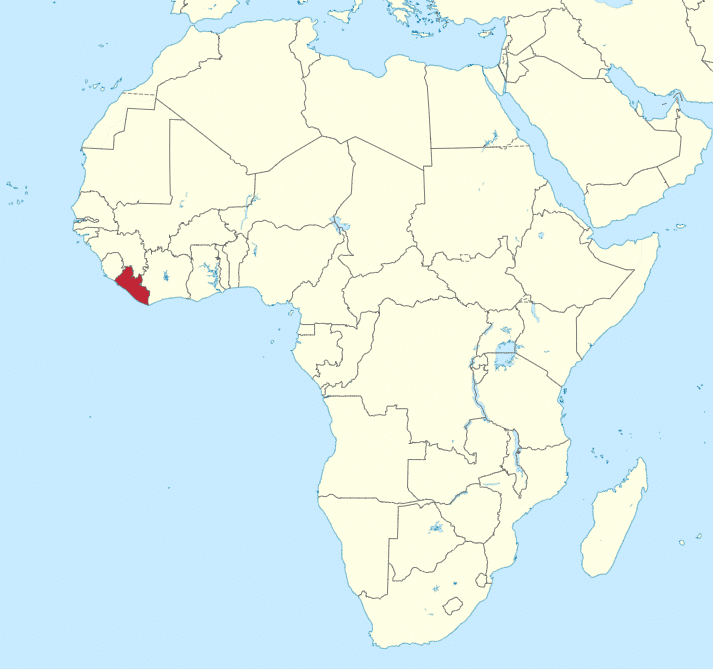
Despite its rich natural resources, Liberia struggles with pressing development issues. Today, approximately 85% of its population identifies as Christian, and the nation is home to over five million people. The economic landscape is primarily shaped by exports of iron ore and rubber, with multinational corporations playing a pivotal role in these sectors. However, decades of civil unrest, including two devastating civil wars, have hampered progress and created a fragile infrastructure.
Resilience Amidst Adversity
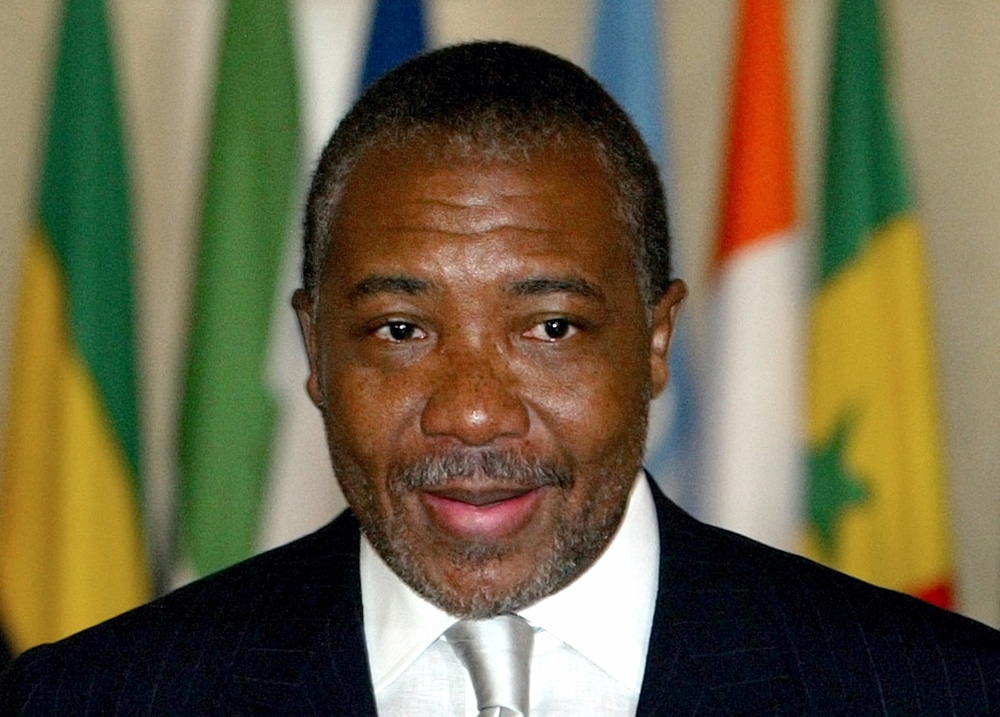
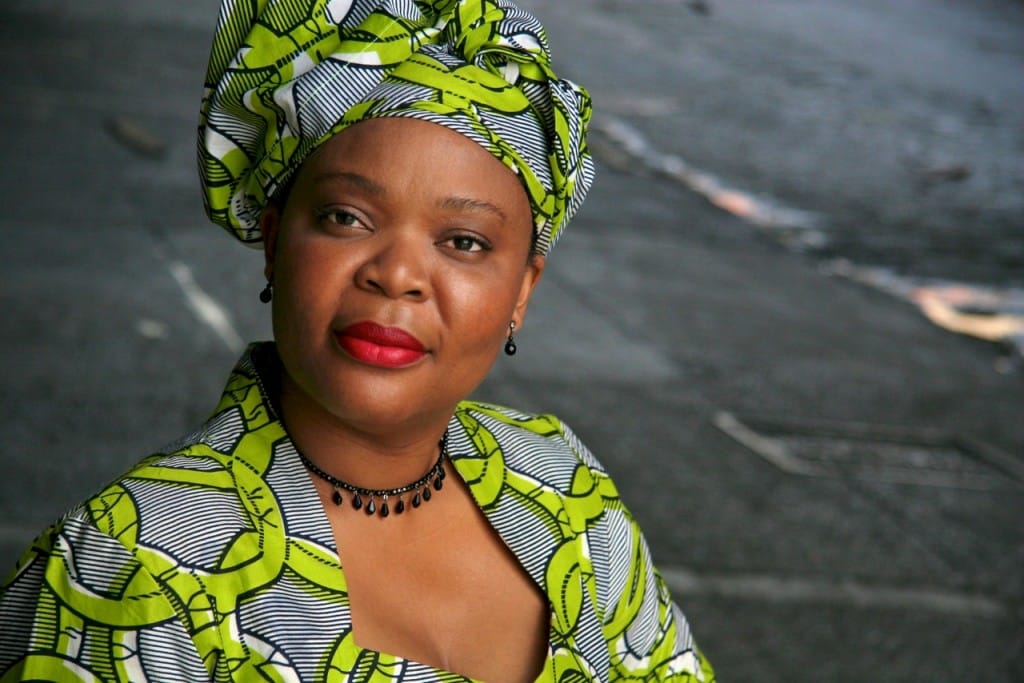
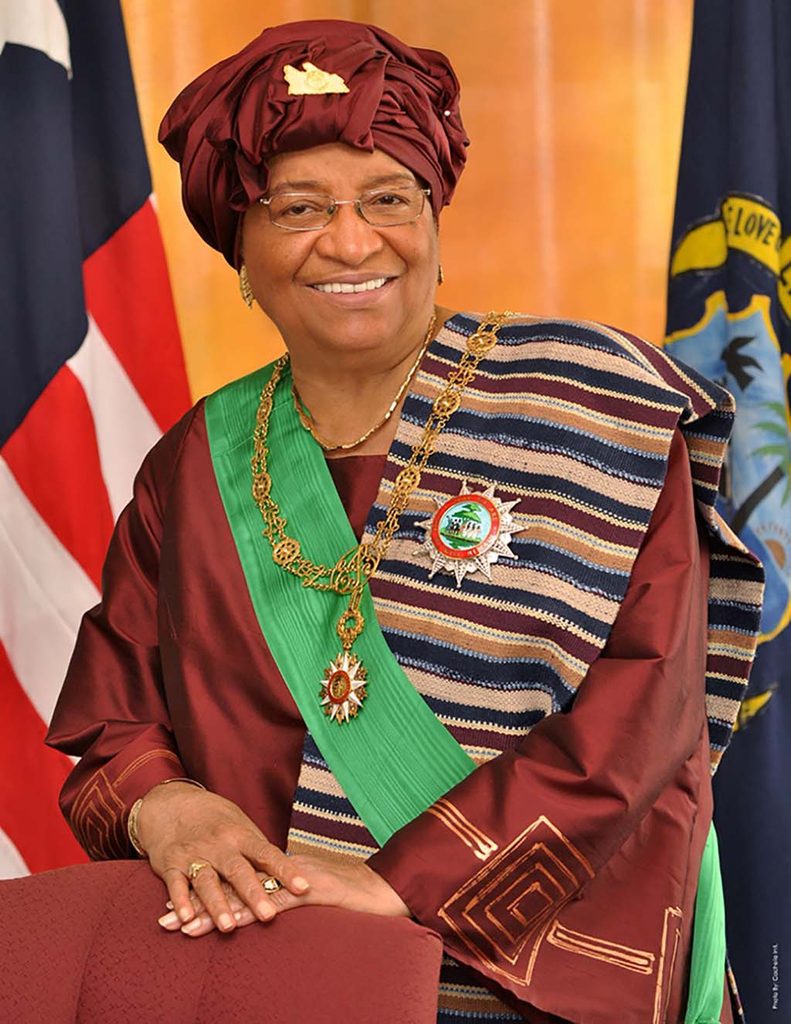
The resilience of the Liberian people is remarkable, especially in light of the profound challenges they have faced. Women have played a crucial role in advocating for peace and stability, notably during the civil wars of the 1990s. Their collective efforts, exemplified by the Mass Action for Peace movement, were instrumental in bringing about a cessation of hostilities. Today, Liberia continues to strive for stability and growth, with the current administration led by Joseph Boakai addressing critical issues such as financial reform and the establishment of a War Crimes Tribunal.
The Future Ahead
As Liberia opens its arms to Venezuelan deportees, both groups stand at the brink of new beginnings. The question remains: will this historical connection to freedom lead to a brighter future for those seeking refuge in a land woven with its own complex tapestry of struggles and triumphs? The answer lies in the intertwining of their stories, a shared journey towards hope and resilience.
Editorial note: This article was created by A Bit Lavish Miami’s Magazine as an original editorial reinterpretation based on publicly available reporting. Original source: efectococuyo.com. Read the original article here: https://efectococuyo.com/la-humanidad/liberia-asi-es-el-pais-africano-a-donde-fueron-deportados-varios-venezolanos/.
Images are used for editorial reference with source credit. If an image requires correction or removal, please contact A Bit Lavish.









Shooting of Venezuelan DoorDash Driver by ICE Agent in Austin Sparks Protests
The shooting of a Venezuelan DoorDash driver by an ICE agent in...
 2 Mins read
Shooting of Venezuelan Man by ICE Officer in Austin Raises Public Safety Concerns
The shooting incident involving a Venezuelan man by an ICE officer in...
1 Mins read
Venezuela Extradites 18 Suspects in Assassination of Haiti’s President to the U.S.
The extradition of suspects in the assassination of Haiti's president marks a...
2 Mins read



Human Rights Watch Calls on Venezuela to Uphold Basic Rights and Release Political Prisoners
The international human rights organization urges the Venezuelan government to protect fundamental...
2 Mins read
