
Local Leadership: Miami’s Response to Climate Challenges Amid Federal Rollbacks

Resilience in the Face of Federal Retreat
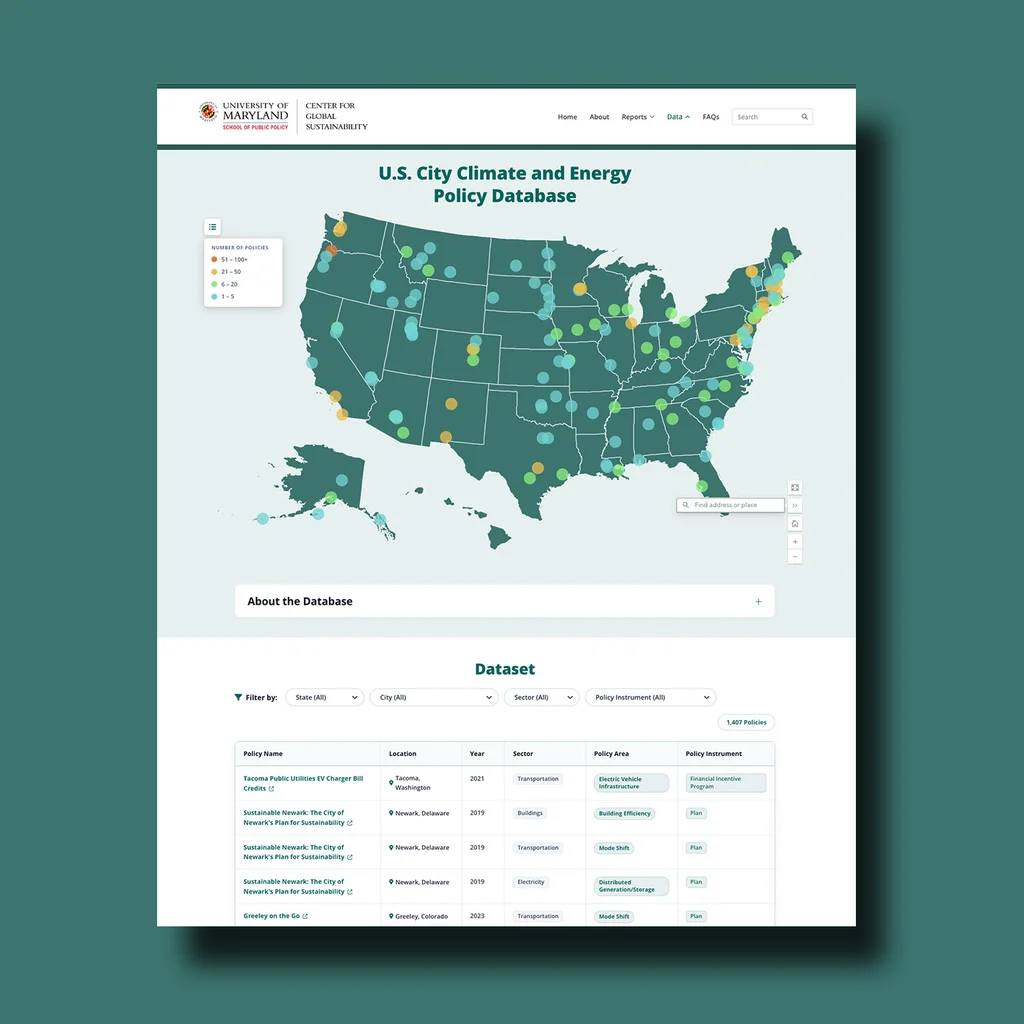
As the national dialogue around climate action shifts, especially with recent federal policy changes, cities across the United States—including Miami—are taking the reins to combat climate change. A comprehensive new database curated by the University of Maryland’s Center for Global Sustainability showcases how local governments are enacting policies that promote sustainability and resilience. This initiative highlights over 1,400 policies from 157 cities, each striving to create a greener future despite the ebbs and flows of federal support.
Mapping Local Commitments
The U.S. City Climate & Energy Policy Database serves as a vital tool for understanding the municipal response to climate challenges. It provides an interactive map and detailed dataset that categorize actions by city, policy area, and sector, revealing a wealth of local initiatives. From energy-efficient building upgrades to urban heat mitigation strategies, the database reflects a growing commitment to sustainability at the city level.
- Energy Efficiency: Cities are prioritizing building standards that require energy-efficient designs, ensuring that new constructions contribute to a reduced carbon footprint.
- Urban Greenery: Initiatives like tree-planting and the creation of green spaces not only enhance urban aesthetics but also provide essential shade and cooling effects.
- Financial Incentives: Many local governments are introducing programs that offer financial support for residents to shift from fossil fuel reliance to renewable energy sources.
Spotlight on Miami: A City Embracing Change
Miami stands out as a beacon of local leadership in addressing climate change. With its unique geographical challenges, including rising sea levels and extreme heat, the city has embarked on ambitious climate adaptation and mitigation strategies. In alignment with the findings of the database, Miami has initiated several programs that reflect its commitment to sustainability.
Recent efforts include enhancing the resilience of the city’s infrastructure through upgraded stormwater systems and investments in renewable energy sources. These initiatives are designed to not only safeguard Miami’s ecological landscape but also to foster economic growth and job creation.
Innovative Local Policies: A Blueprint for the Future
The database reveals that cities like Cleveland and Phoenix are implementing innovative climate policies that Miami could draw inspiration from. Cleveland’s ambitious plan aims for a 63.3% reduction in emissions by 2030, showcasing how local governance can drive substantial environmental progress.
Similarly, Phoenix’s Shade Phoenix initiative seeks to add tens of thousands of new trees and shade structures to combat extreme heat, a challenge that resonates deeply with Miami’s own climatic realities. Such models suggest that Miami could benefit from similar green initiatives, enhancing urban living conditions while addressing pressing environmental concerns.
The Power of Local Leadership
As the federal government grapples with climate policy inconsistencies, local leadership has emerged as a crucial component of the climate response strategy. The research underscores that cities are not only taking charge but are also laying the groundwork for broader climate action. Nate Hultman, director of the Center for Global Sustainability, emphasizes that local initiatives are both widespread and effective, creating pathways for more ambitious climate action.
Miami’s own strategies resonate with this sentiment, as the city seeks to position itself as a leader in climate resilience and innovation. By investing in local programs that promote sustainability, Miami can harness the momentum of grassroots movements while aligning with global climate goals.
Looking Ahead: The Role of Community Engagement
Engaging the community is essential for the success of climate initiatives. As Miami continues to develop its climate policies, involving residents in the decision-making process can foster a sense of ownership and commitment to sustainability. Programs that encourage public participation in tree-planting initiatives or energy conservation efforts can amplify the impact of local policies.
Ultimately, Miami’s journey towards a sustainable future will depend on the collaboration between local government, businesses, and the community. By embracing innovative policies and fostering a culture of environmental stewardship, Miami can not only address immediate climate challenges but also serve as a model for cities nationwide.
Editorial note: This article was created by A Bit Lavish Miami’s Magazine as an original editorial reinterpretation based on publicly available reporting. Original source: fastcompany.com. Read the original article here: https://www.fastcompany.com/91611130/is-your-city-taking-action-to-address-the-climate-crisis-heres-how-to-find-out.
Images are used for editorial reference with source credit. If an image requires correction or removal, please contact A Bit Lavish.










Trump Calls for Ban on Diesel Exports Amid Rising Fuel Prices
The former president's proposal aims to address escalating fuel costs and their...
 2 Mins read

Royal Caribbean in Talks for $6 Billion Acquisition of Sandals Resorts
The potential acquisition marks a significant shift in the luxury travel sector,...
1 Mins read

Trump Administration Cuts 760,000 Enrollees from ACA Exchanges Amid Fraud Claims
The Trump administration's recent decision to remove 760,000 enrollees from the Affordable...
2 Mins read



Royal Caribbean Nears $6 Billion Acquisition of Sandals Resorts Amid Stock Decline
The luxury travel sector faces a significant shift as Royal Caribbean approaches...
1 Mins read

Leave a comment