

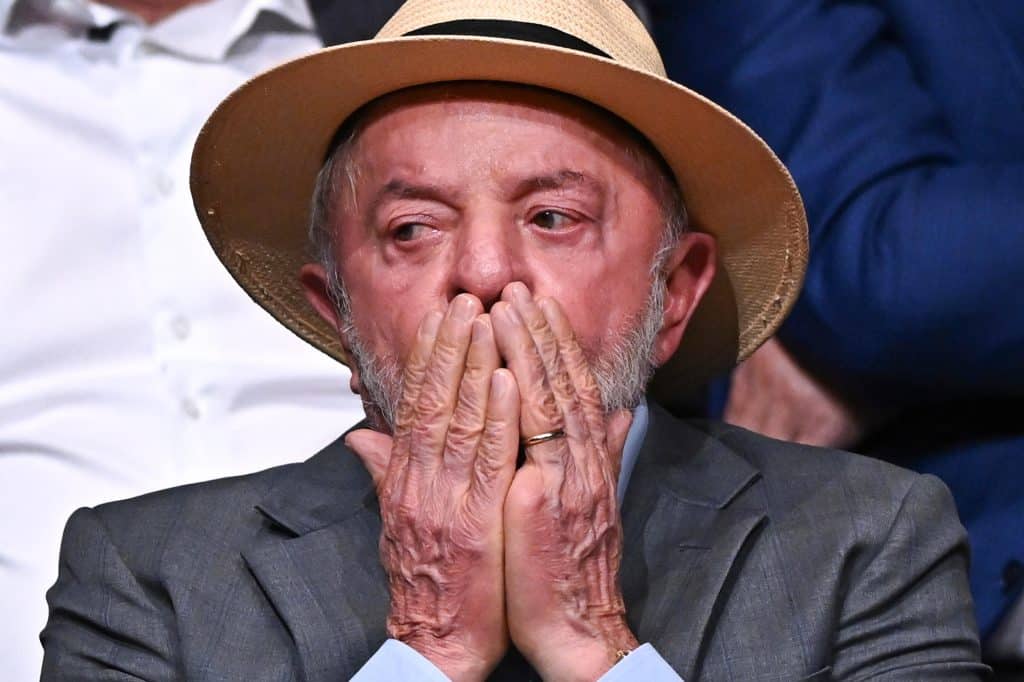
Reviving a Legacy
As the sun rises over Brazil, Luiz Inácio Lula da Silva, at the age of 80, dons the mantle of a candidate once more. This October, the seasoned politician is set to be proclaimed by the Workers’ Party (PT) as they gear up for elections that could secure his historic fourth non-consecutive term. With the winds of public sentiment favoring him, Lula aims not only to maintain his influence but to further position Brazil as a stronghold of progressivism in Latin America.
The Progressive Vanguard
Lula’s candidacy is underscored by his partnership with moderate Geraldo Alckmin, a strategic choice intended to enhance their appeal. Together, they envision extending their governance until 2030, a goal that, if met, will not only mark a personal triumph for Lula but could also redefine Brazilian political history. Should a legislative proposal to eliminate re-election succeed, Lula would cement his legacy as the last president to serve consecutive terms in Brazil’s evolving political narrative.
Navigating Challenges
While Lula’s administration boasts historical lows in poverty and unemployment, it grapples with rising interest rates, currently at 14.25% annually, a byproduct of inflationary pressures and global conflict. Economic forecasts reveal a deceleration, with Brazil’s GDP growth slowing to 2% in an election year, compared to 3.4% in 2024. As these economic indicators take center stage, they will undoubtedly shape the discourse of the upcoming campaign.
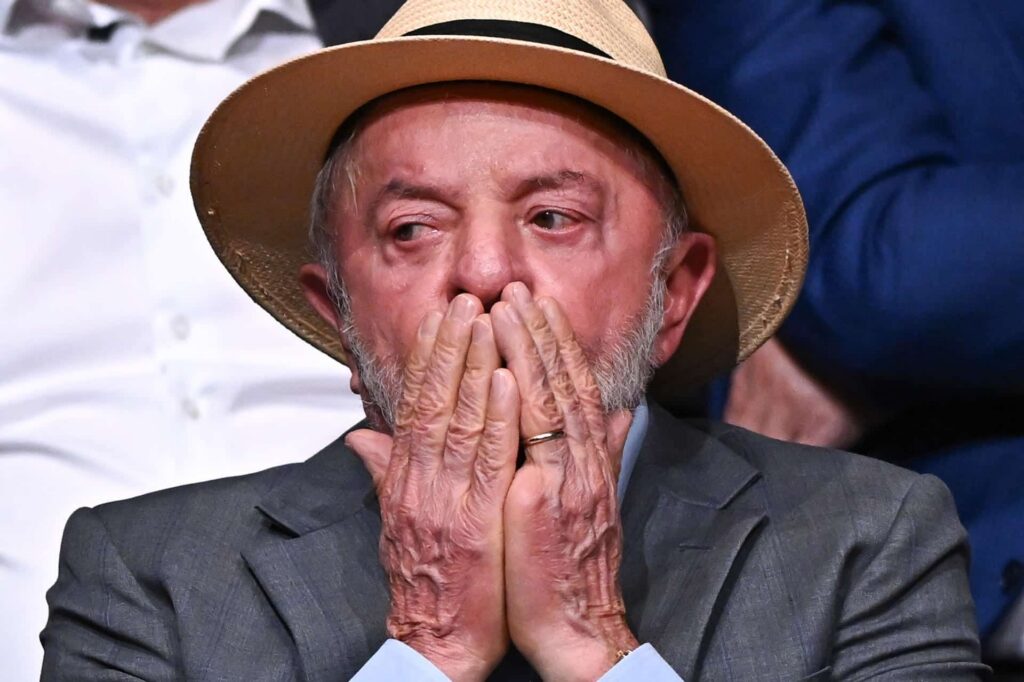
Political Landscape: A Divided Opposition
The electoral battleground is fraught with division. The right-wing opposition, previously united under the controversial figure of Jair Bolsonaro, now finds itself fragmented following Bolsonaro’s disqualification and subsequent house arrest due to a 27-year sentence for attempted coup d’état. His son, Flávio Bolsonaro, struggles to consolidate the opposition’s forces against Lula’s advancing coalition, which remains steadfast and unified.
The Stakes for Lula
As Lula prepares to defend his administration’s record, he faces mounting pressure regarding Brazil’s fiscal health. With public debt soaring to 82% of GDP and a fiscal deficit nearing 10%, the financial sustainability of his policies will be scrutinized. Critics from both traditional conservatism and radical Bolsonaroism challenge Lula’s vision, using economic vulnerabilities as ammunition in their campaign strategies.
Connections to Miami’s Business Sphere
The implications of Brazil’s political landscape resonate far beyond its borders, particularly in Miami, where a significant Brazilian expatriate community thrives. Lula’s potential re-election may influence trade relations, investment opportunities, and cultural exchanges between Brazil and Florida. Miami’s business sector, keenly attuned to Latin American politics, will undoubtedly monitor these developments closely, anticipating shifts that could affect everything from real estate investments to tourism.
A Progressive Future?
As Lula steps back into the electoral ring, his campaign embodies a larger struggle within the region—one that pits progressive ideals against rising conservatism. With the backdrop of economic challenges and a fractured opposition, Lula’s journey will be watched closely, not just in Brazil but across the Americas, as it has the potential to reshape the political landscape for years to come.
Editorial note: This article was created by A Bit Lavish Miami’s Magazine as an original editorial reinterpretation based on publicly available reporting. Original source: efectococuyo.com. Read the original article here: https://efectococuyo.com/internacionales/lula-se-lanza-nuevamente-el-ruedo-electoral-para-enfrentar-al-bolsonarismo/.
Images are used for editorial reference with source credit. If an image requires correction or removal, please contact A Bit Lavish.









Former GOP Congressman David Rivera Sentenced to 10 Years for Venezuela Lobbying Scheme
David Rivera, a former U.S. congressman, has been sentenced to a decade...
 2 Mins read

David Rivera Sentenced to 10 Years for Secret Lobbying Related to Venezuela
The sentencing of former Congressman David Rivera marks a significant legal development...
2 Mins read

U.S. Issues License for Oil and Gas Exploration in Venezuela
The U.S. has authorized oil and gas exploration in Venezuela, a pivotal...
2 Mins read



Tren de Aragua Leader Captured in Venezuela Appears in Nebraska Court
The apprehension of a Tren de Aragua leader marks a significant development...
2 Mins read
