
Mental Health Crisis in the Military: Eight Sailors from USS Abraham Lincoln Attempt Suicide
MIAMI — September 24, 2026
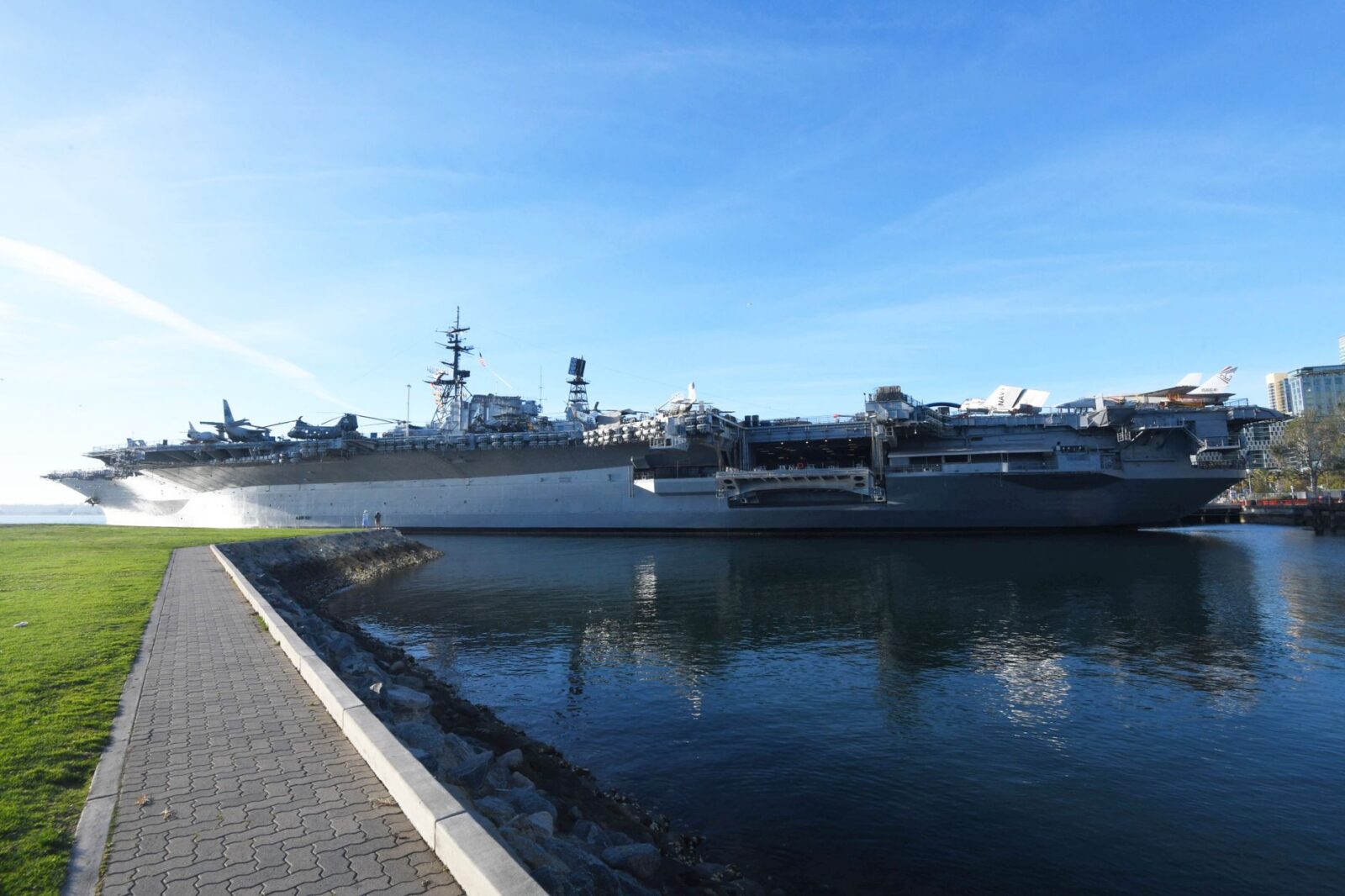
In a troubling revelation during a congressional hearing on September 23, 2026, the U.S. Navy confirmed that eight sailors from the USS Abraham Lincoln strike group attempted suicide. This alarming incident has brought to light the pressing mental health challenges faced by military personnel, raising significant public safety concerns and prompting calls for immediate action.
The USS Abraham Lincoln, a Nimitz-class aircraft carrier, is currently stationed in the Pacific as part of a strategic deployment. The sailors involved in the suicide attempts were reported to be experiencing severe mental health crises, a situation that has become increasingly common within the armed forces. This incident is particularly concerning given the ongoing discussions about mental health resources and support systems available to service members.
The Navy’s acknowledgment of these suicide attempts comes amid broader scrutiny of mental health issues in the military, which have been exacerbated by prolonged deployments and the stresses of military life. The specific triggers for these incidents have not been disclosed, but they highlight a systemic issue that has been recognized by various military and mental health organizations.
During the congressional hearing, Navy officials emphasized the importance of addressing mental health proactively, citing a need for enhanced support systems and resources for service members. The Navy has been under pressure to improve its mental health services, especially in light of rising suicide rates among active-duty personnel. In 2022, the Department of Defense reported a 15% increase in suicides among service members compared to the previous year, underscoring the urgency of the situation.
This story is receiving heightened attention now due to the alarming nature of the incidents and the ongoing national conversation about mental health in the military. The implications of these suicide attempts extend beyond individual sailors; they reflect a broader crisis that affects military readiness and the well-being of service members and their families.
Locally, this incident raises questions about the adequacy of mental health resources available to sailors stationed in Miami and across the nation. Nationally, it underscores the need for comprehensive reforms in how the military addresses mental health, particularly as the U.S. faces increasing geopolitical tensions that may further strain service members.
Looking ahead, it is likely that this incident will prompt further investigations and discussions within Congress regarding military mental health policies. The Navy may be compelled to implement new initiatives aimed at improving mental health support, including increased funding for counseling services and training for leadership on recognizing and addressing mental health issues among their personnel. As these developments unfold, the focus will remain on ensuring the safety and well-being of those who serve in the armed forces.
Source: BBC







Christa Pike Unconscious After Botched Lethal Injection Raises Ethical Concerns
The botched execution of Christa Pike on October 3, 2026, has ignited...
 2 Mins read
Legal and Ethical Questions Arise Following Christa Pike’s Botched Execution
The botched execution of Christa Pike raises significant legal and ethical questions...
2 Mins read
Israeli Airstrike on Gaza City Apartment Complex Results in Multiple Casualties
An Israeli airstrike on an apartment complex in Gaza City has left...
2 Mins read



Christa Pike’s Botched Execution Raises Ethical Concerns Over Lethal Injection
The botched execution of Christa Pike on October 2, 2026, has reignited...
2 Mins read

Leave a comment