
Merlin the Duck: A Feathered Phenomenon in the Heart of Mexico’s World Cup Fervor
The Spirit of the World Cup
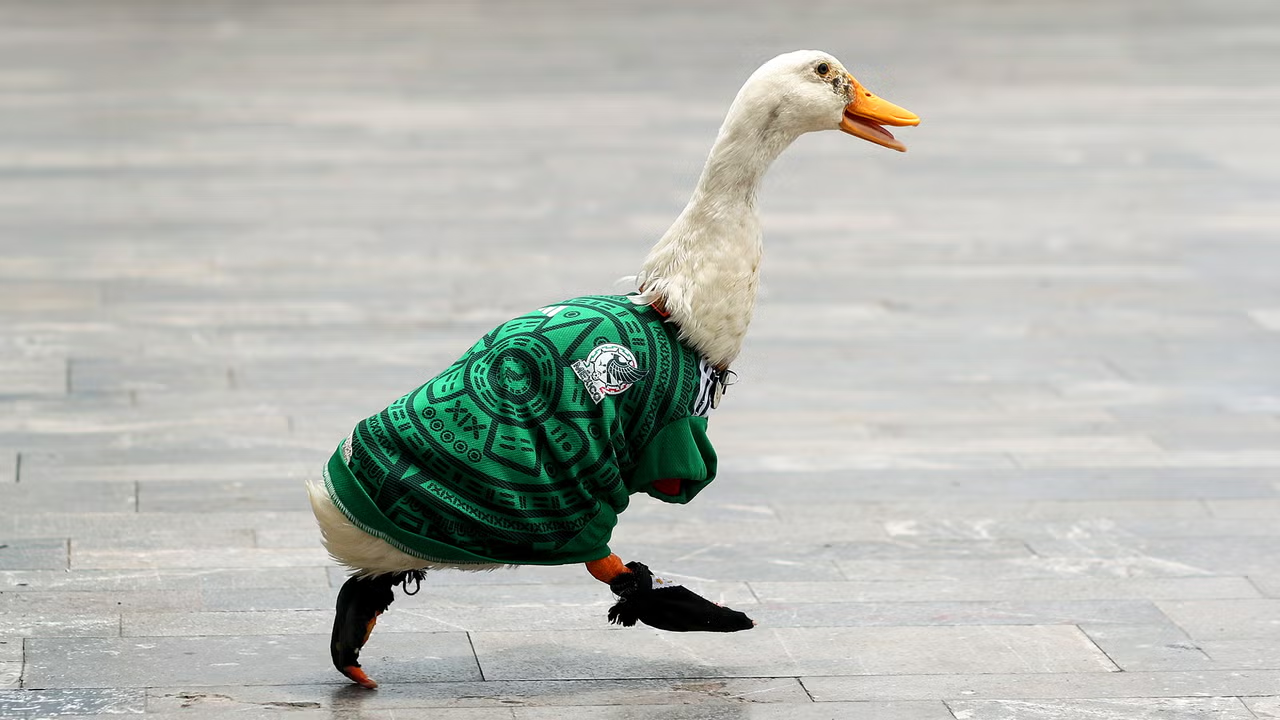
The World Cup, a grand spectacle that unites nations and ignites passions, has a way of bringing unexpected heroes to the forefront. In Mexico, where football is a cherished cultural cornerstone, a new star has emerged—Merlin, a charming domesticated duck donning the colors of the national team. His rise to fame began amidst the jubilant celebrations following Mexico’s victory against South Africa, where fans not only cheered for their players but also for this delightful feathered companion.
The Heartbeat of the Streets
Merlin is no ordinary mascot; he is the beloved pet of Karla Gomez, a street vendor who sells refreshments in the bustling streets of Mexico City. Rather than leaving Merlin behind during her work hours, Gomez has chosen to bring him along, creating a unique bond that resonates with both locals and tourists. “He is a baby, the only heir of my belongings, and now, an icon,” she shared, capturing the essence of their relationship. This heartfelt connection has allowed Merlin to transcend the role of a mere pet, morphing into a symbol of community spirit and resilience during one of the world’s most significant sporting events.
A Viral Sensation
As images of Merlin circulated online, social media users quickly embraced him as an unofficial mascot for the tournament. With the Mexican National Team even acknowledging his popularity, Merlin has become a household name, celebrated not just in Mexico but across the globe. His appeal lies in the joyous authenticity he represents—a stark contrast to the more corporate mascots typically associated with such events.

Brand Engagement in the Digital Age
The emergence of Merlin has not only captured the hearts of fans but has also piqued the interest of major brands. Companies like Aeromexico and Volaris have ingeniously integrated the duck into their promotional content, showcasing a savvy understanding of brand strategy in the digital landscape. Aeromexico’s playful “bat-signal” tribute to Merlin demonstrates how brands can engage with cultural phenomena in a way that feels relevant and authentic.
- Social Media Trends: Brands are leveraging viral content to enhance their visibility.
- Community Connection: Associating with local icons fosters a strong emotional bond with consumers.
- Innovation in Marketing: Brands are evolving with the trends, utilizing humor and authenticity.
The Ethical Dilemma
While the excitement surrounding Merlin is palpable, it also raises significant questions about ownership and intellectual property. Many social media users have urged the government and branding agencies to recognize Gomez’s rights. Calls have been made for the Mexican Institute of Industrial Property to assist in trademark registration, ensuring that Merlin’s image is not exploited without proper compensation. This scenario reflects a broader conversation in the business world regarding the ethics of brand engagement and intellectual property in the age of social media.
A Lesson in Leadership and Innovation
The phenomenon of Merlin exemplifies how a blend of innovation, cultural understanding, and ethical foresight can create a compelling narrative. As brands and entrepreneurs navigate the complex landscape of digital marketing, the story of Merlin serves as a reminder of the importance of aligning business strategies with genuine community values. With the bright lights of the World Cup illuminating Mexico, the journey of this little duck may just be the beginning of a larger dialogue about the intersection of culture, brand strategy, and social responsibility.
Editorial note: This article was created by A Bit Lavish Miami’s Magazine as an original editorial reinterpretation based on publicly available reporting. Original source: fastcompany.com. Read the original article here: https://www.fastcompany.com/91562306/how-this-street-duck-became-mexicos-unofficial-world-cup-mascot.
Images are used for editorial reference with source credit. If an image requires correction or removal, please contact A Bit Lavish.






Reimagining Accountability: The Federal Reserve’s Role in a Changing Economy
Exploring the evolution of the Federal Reserve's accountability amid unprecedented economic pressures...
 3 Mins read

Revolutionizing Video Editing: The Rise of OpenReel
Explore how OpenReel is transforming video editing with its browser-based platform, offering...
2 Mins read

Navigating the AI Frontier: Keeping Your Data Private in a Digital World
Explore innovative tools that safeguard your data while leveraging artificial intelligence, ensuring...
3 Mins read



Bombay High Court Criticizes Drug Regulatory Body for Cipla License Revocation
The Bombay High Court's rebuke of India's drug regulatory authority highlights critical...
1 Mins read
