

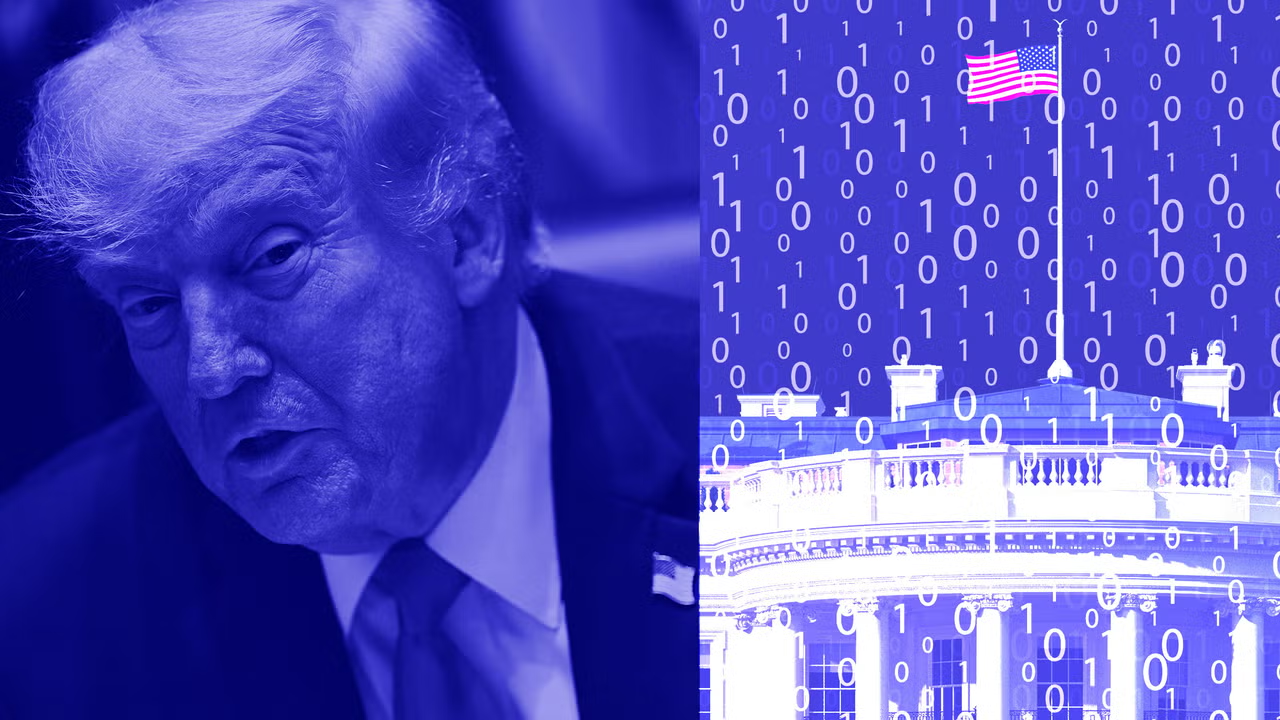
A New Era of AI Oversight
The landscape of artificial intelligence (AI) is shifting, particularly as the U.S. government takes a closer look at the implications of advanced AI models. With concerns over national security and the potential risks posed by cutting-edge technologies, the recent executive order signed by President Trump marks a significant moment in the intersection of innovation and regulation. This order is a nuanced attempt to ensure that AI technologies do not outpace the safeguards necessary to protect both consumers and national interests.
Voluntary Compliance: A Double-Edged Sword
At the core of the executive order is a voluntary compliance framework, which calls for AI companies to submit their advanced models for government review 30 days prior to public release. This aspect has generated considerable debate among industry leaders and policy analysts alike. While some view this as a necessary step toward accountability, critics argue that it grants too much authority to the companies themselves. The arrangement has been characterized as a form of self-regulation, raising questions about whether it sufficiently addresses the potential dangers associated with powerful AI systems.
The Balancing Act of Innovation and Regulation
Proponents of the order emphasize the importance of fostering innovation in the AI sector. The Competitive Enterprise Institute commended the administration’s recognition that America’s leadership in AI stems from innovation rather than restrictive regulations. However, the voluntary nature of the compliance process leaves significant power with AI companies, a dynamic that could hinder the government’s ability to assert meaningful oversight.
Establishing a Framework for Assessment
Rather than prescribing a specific testing regimen, the executive order outlines a framework that directs various government agencies to collaborate on developing an assessment process. The National Security Agency and other security-focused institutions are tasked with defining what constitutes a frontier model and establishing cyber-risk thresholds. The Treasury Department is set to create an AI cybersecurity clearinghouse aimed at monitoring and addressing software vulnerabilities exposed by new AI technologies.
Challenges Ahead: The Quest for Transparency
While the executive order sets the stage for a more structured approach to AI oversight, it raises essential questions about transparency and the government’s capacity to conduct thorough evaluations. Concerns about information asymmetry between AI companies and regulatory bodies highlight the challenges in establishing an independent assessment process. As AI companies increasingly develop their own pre-release testing programs, such as Anthropic’s early access for its Mythos model, the government may find it difficult to maintain a truly impartial evaluation.
The Role of Industry Leadership
As the dynamics between AI companies and government agencies evolve, the future landscape of cybersecurity and AI regulation remains uncertain. The effectiveness of the 30-day review period is already under scrutiny, with experts questioning whether this timeframe allows adequate evaluation of sophisticated models. The complexities of access, resources, and partnerships with AI firms could pose significant barriers to effective regulation.
Looking Forward: The Path to Responsible AI Development
The implications of the executive order extend beyond immediate regulatory frameworks; they signal a broader conversation about the role of AI in society. As Miami continues to emerge as a tech hub, the city must consider how these national policies will influence local innovation and entrepreneurship. Striking the right balance between fostering innovation and ensuring safety will be crucial for maintaining Miami’s position at the forefront of the AI revolution.
Editorial note: This article was created by A Bit Lavish Miami’s Magazine as an original editorial reinterpretation based on publicly available reporting. Original source: fastcompany.com. Read the original article here: https://www.fastcompany.com/91552553/trumps-ai-order-gives-washington-a-look-at-frontier-models-but-not-much-leverage.
Images are used for editorial reference with source credit. If an image requires correction or removal, please contact A Bit Lavish.










The Transformative Power of AI: Insights from JPMorgan’s Leadership
JPMorgan Chase's CEO Jamie Dimon discusses the impact of AI on employment...
 2 Mins read

A New Era in Sports Broadcasting: Elevating Women Athletes Beyond the Lens
Explore how new broadcasting guidelines aim to reshape the portrayal of women...
2 Mins read

Harnessing AI for Intellectual Growth: Strategies for the Modern Thinker
Explore innovative ways to leverage AI to enhance your cognitive processes and...
3 Mins read



The Art of Timely Delivery: A Crucial Element in Business Success
Explore the challenges of timely project delivery in business, its impact on...
2 Mins read
