

Shocking Discoveries in Nature’s Playground
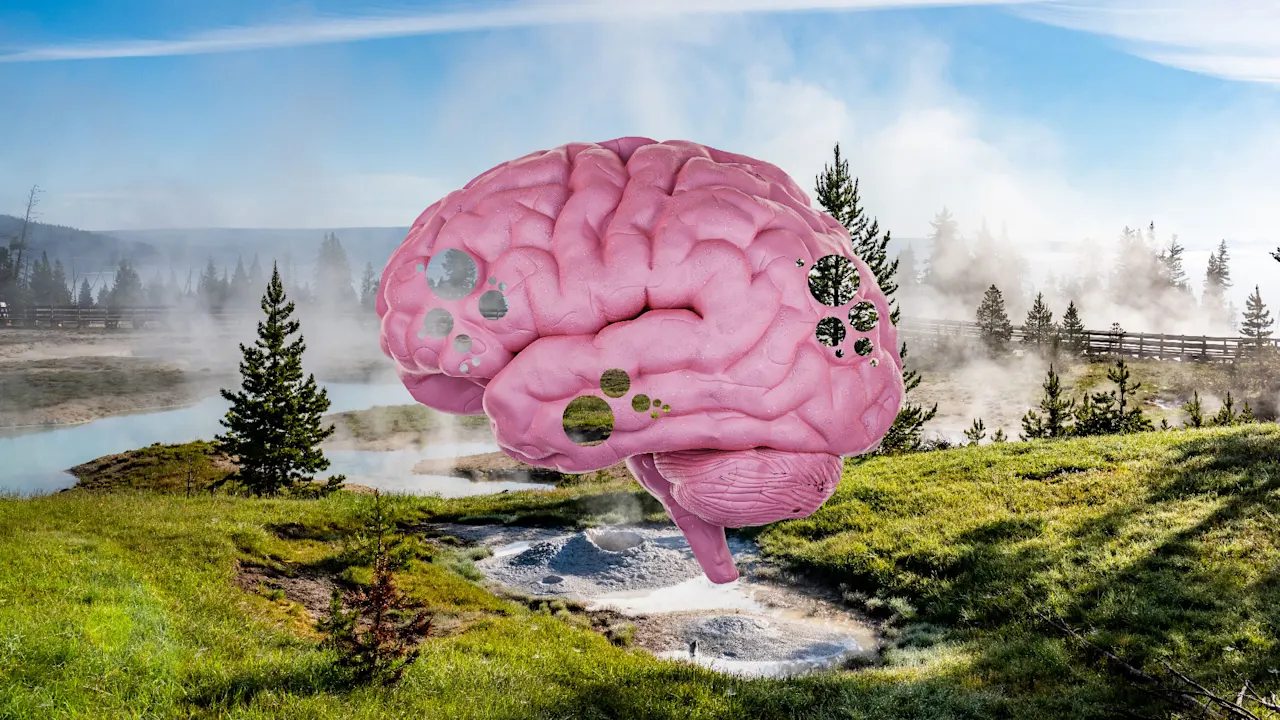
Recent research from the U.S. Geological Survey has unveiled a startling truth about some of America’s cherished national parks—brain-eating amoeba, scientifically known as Naegleria fowleri, have been detected in several popular locations. This discovery, published in a leading journal, raises important questions about safety and health for visitors drawn to these natural havens.
Research Insights: A Closer Look at Detection
Over an extensive eight-year study, researchers collected 185 water samples from five renowned national parks, including Yellowstone and Grand Teton. Alarmingly, they discovered that 34% of samples from hot springs and thermally impacted waters contained traces of the amoeba. While the news is concerning, it’s reassuring that no infections or fatalities linked to these findings have been reported at the sites studied.
Understanding the Intruder: Naegleria fowleri
Naegleria fowleri is a free-living amoeba that thrives in warm freshwater environments. Its menacing nickname, the “brain-eating amoeba,” arises from its ability to invade human brain tissue, leading to a rare but often fatal condition known as primary amebic meningoencephalitis (PAM). The Centers for Disease Control and Prevention (CDC) notes that while infections are rare, they carry a staggering fatality rate of 98%. In the U.S., fewer than ten cases are reported annually, with only four recorded survivors since 1962.
Assessing the Risks: When and Where
Infection typically occurs during the hot summer months when water temperatures rise, and water levels fall, creating ideal conditions for the amoeba. Outdoor enthusiasts are particularly at risk when engaging in activities like swimming or diving in affected freshwater bodies. Importantly, transmission cannot occur through drinking contaminated water, and the amoeba cannot spread from person to person.
Protecting Yourself: Practical Precautions
As we embrace the outdoor adventures that Miami and its surrounding areas offer, understanding how to protect oneself from potential risks is essential. The CDC recommends several preventive measures:
- Use nose clips or hold your nose when jumping or diving into freshwater.
- Keep your head above water when enjoying hot springs.
- Avoid digging in shallow areas, where the amoeba is more likely to thrive.
Recognizing the Symptoms: A Critical Awareness
Awareness of the early symptoms of PAM is crucial for prompt action. Initial signs include:
- Headache
- Fever
- Nausea and vomiting
- Stiff neck
- Confusion and lack of attention
- Loss of balance
- Hallucinations
The rapid progression of PAM can result in severe complications, as most individuals succumb to the infection within 18 days of symptom onset. Early recognition and medical intervention are vital.
Conclusion: A Call for Conscious Exploration
As the allure of the great outdoors continues to captivate Miami’s residents and visitors alike, understanding the hidden dangers posed by organisms like Naegleria fowleri becomes imperative. By arming ourselves with knowledge and implementing preventive measures, we can continue to enjoy the splendor of our natural surroundings while safeguarding our health. The beauty of nature should not overshadow the importance of awareness and caution, ensuring that our adventures remain both enriching and safe.
Editorial note: This article was created by A Bit Lavish Miami’s Magazine as an original editorial reinterpretation based on publicly available reporting. Original source: fastcompany.com. Read the original article here: https://www.fastcompany.com/91540866/brain-eating-amoeba-found-in-u-s-national-parks-risk-safety-infection-symptoms-what-to-know.
Images are used for editorial reference with source credit. If an image requires correction or removal, please contact A Bit Lavish.










Resilience in the Face of Change: The Lingering Effects of Layoffs on Company Culture
Explore how mass layoffs impact employee morale and company reputation, with insights...
 2 Mins read

Navigating the AI Frontier: Gender Dynamics in Workplace Compensation Strategies
An exploration of the gender disparity in AI adoption for salary negotiations...
2 Mins read

Oral Sunscreen Pills Surge in Popularity Amid Health Debates
The rise of oral sunscreen pills on social media raises critical questions...
1 Mins read



Exploring the Impact of Cross-Genre TV Collaborations on Global Entertainment Trends
Crossovers redefine storytelling in television, influencing cultural dialogues and viewer engagement worldwide.
1 Mins read
