
Navigating Uncertainty: The Evolving Landscape of the U.S. Job Market
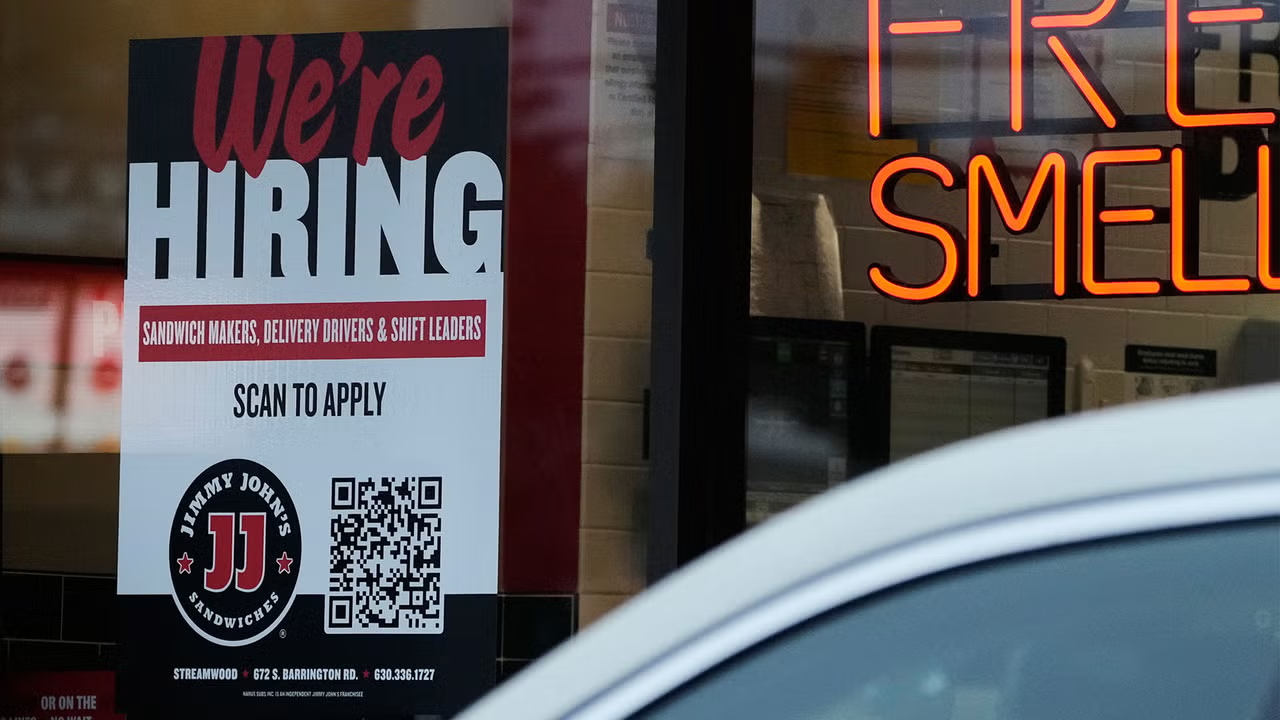
Shifting Currents in Employment
As we approach a critical juncture in U.S. politics, the job market reveals a complex narrative of resilience and discontent. The Labor Department’s recent report indicates a mere addition of 29,000 jobs in September, a stark decline from the revised figures of 133,000 in August. This shift has nudged the unemployment rate up to 4.2%, reflecting a nuanced economic climate where optimism is tempered by the realities of rising living costs and inflation.
Economic Indicators and Public Sentiment
In the backdrop of these employment figures lies a troubling perception of economic health among Americans. A recent poll highlights that only 17% of U.S. adults approve of the current administration’s handling of the cost of living. Moreover, consumer confidence has plummeted to its lowest level in over a decade, driven by the belief that job availability may dwindle in the coming months. This skepticism is compounded by the findings of Glassdoor, which indicate a significant drop in employee confidence—an unsettling trend in a labor market that typically thrives on optimism.
The Labor Market’s Unique Paradox
The current job market presents an intriguing paradox: while layoffs are relatively low, hiring is stagnating. This phenomenon, described as a ‘low-hire, low-fire’ environment, leaves many current employees feeling secure yet disillusioned. Many are reluctant to leave their positions, fearing the unknown of an unforgiving job market. The average duration of unemployment has stretched beyond six months, a stark warning of the challenges that lie ahead for job seekers.
Economic Pressures and Future Outlook
Several factors contribute to this employment stagnation. The ongoing pressures of inflation, fluctuating interest rates, and geopolitical tensions have created an economic landscape fraught with uncertainty. Employers appear hesitant to expand their workforce, opting instead to maintain the status quo amidst fears of a recession. This cautious approach may serve to protect existing jobs but simultaneously limits opportunities for new entrants into the workforce.
Implications for Business Leaders
For business leaders, understanding this evolving landscape is crucial. As consumer confidence wanes and hiring slows, companies must adapt their strategies to attract and retain talent. This situation calls for innovative thinking and a commitment to enhancing workplace environments. Offering competitive salaries, improved work-life balance, and career development opportunities can help mitigate the risks associated with a stagnant job market, ultimately benefiting both employers and employees.
Miami’s Position in the National Narrative
As a vibrant hub for business and culture, Miami is not immune to these national trends. The local economy, characterized by its diverse industries and entrepreneurial spirit, faces unique challenges and opportunities. For instance, as businesses navigate this uncertain landscape, Miami’s leaders must focus on fostering a resilient workforce while addressing the local cost of living, which continues to rise. By doing so, they can ensure that Miami remains a competitive player in the national economy, even amidst broader economic uncertainties.
Concluding Thoughts on Workforce Dynamics
The evolving dynamics of the U.S. job market signal a period of introspection for both employees and employers. As the nation approaches pivotal elections and continues to grapple with economic challenges, understanding these shifts will be key to navigating the complexities of today’s labor landscape. Business leaders who embrace innovation and prioritize their workforce may find themselves better positioned to thrive, even in uncertain times.
Editorial note: This article was created by A Bit Lavish Miami’s Magazine as an original editorial reinterpretation based on publicly available reporting. Original source: fastcompany.com. Read the original article here: https://www.fastcompany.com/91617427/u-s-unemployment-ticks-up-4-2-labor-department-releases-disappointing-job-numbers-september.
Images are used for editorial reference with source credit. If an image requires correction or removal, please contact A Bit Lavish.









Amazon Commits $1 Billion to Data Center Communities Amid Local Opposition
Amazon's substantial investment underscores the tech giant's strategic focus on data infrastructure...
 1 Mins read

U.S. Economy Adds 29,000 Jobs in September, Falling Short of Expectations
The U.S. economy added 29,000 jobs in September 2026, a figure that...
2 Mins read

China Halts Fuel Exports, Driving Global Diesel Prices Higher
China's recent decision to cut off fuel shipments has sent shockwaves through...
2 Mins read



Analysis Reveals Increased Household Energy Costs Due to Trump’s Policy Changes
A recent analysis highlights the financial impact of former President Trump's policy...
2 Mins read

Leave a comment