
Widespread Protests in France Lead to Fires and School Closures
PARIS — October 2, 2026
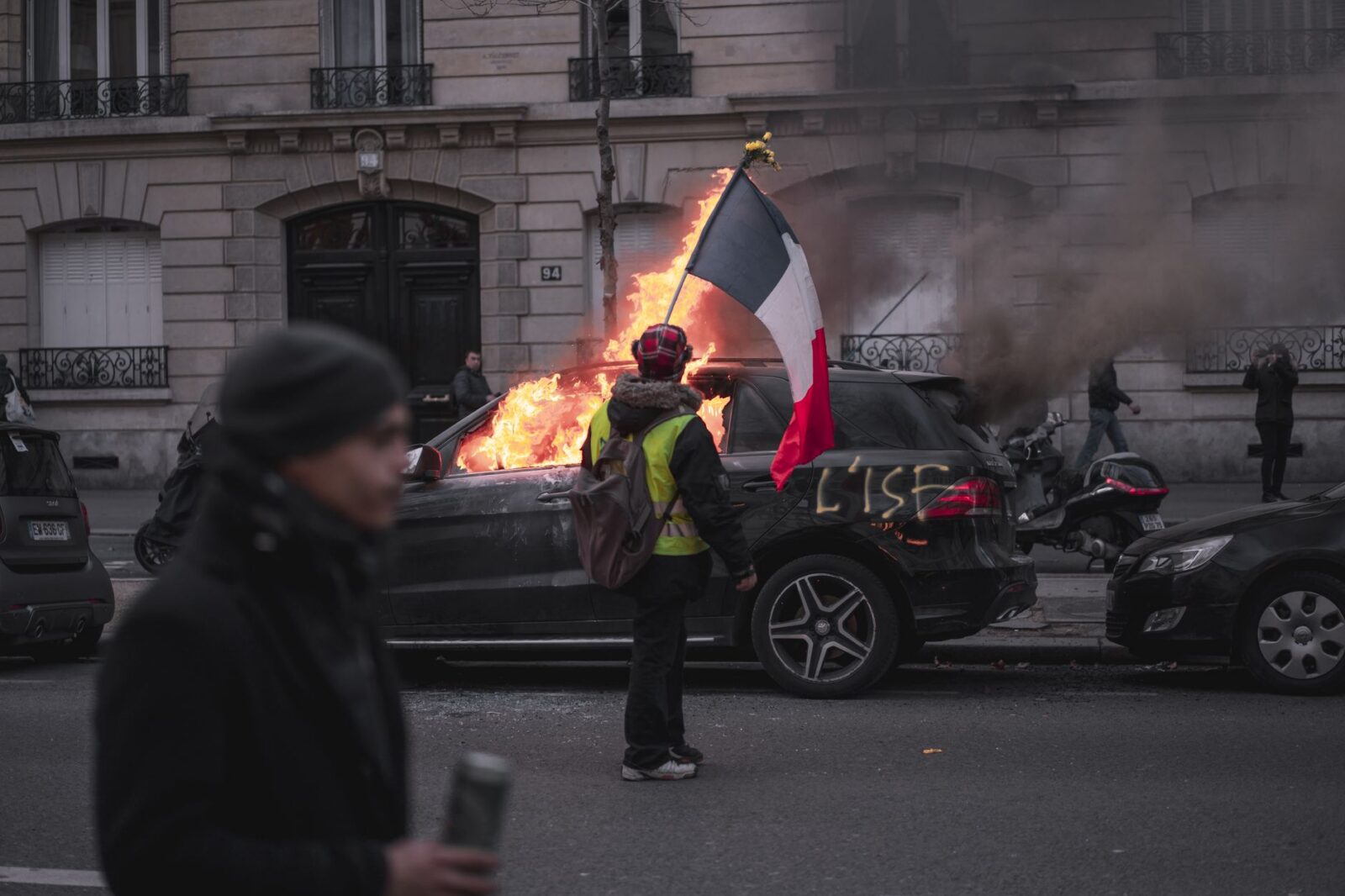
In a significant escalation of civil unrest, student protests across France have led to fires being lit on streets and the closure of hundreds of schools. This wave of demonstrations, which began in response to educational reforms and perceived governmental neglect of student needs, has drawn attention to broader social issues affecting the youth in France.
The protests erupted on October 2, 2026, primarily in urban centers such as Paris, Lyon, and Marseille. Students took to the streets to voice their frustrations over educational policies that many believe undermine the quality of education and accessibility for lower-income families. As the protests intensified, clashes with law enforcement ensued, resulting in fires being set in various locations, further exacerbating the situation.
Directly involved in these protests are thousands of students, supported by various educational unions and advocacy groups. The protests have been organized by student-led groups, which have called for a reevaluation of the government’s approach to education, including demands for increased funding and resources for public schools.
The trigger for these demonstrations appears to be a recent government proposal aimed at restructuring the educational system, which many students and educators argue would disproportionately affect disadvantaged communities. This proposal has been met with widespread criticism, leading to a mobilization of students across the country.
As of now, the French Ministry of Education has not issued a formal response to the protests, but local authorities have been forced to close hundreds of schools to ensure the safety of students and staff. Reports indicate that approximately 300 schools were closed in the Paris region alone, reflecting the scale of the unrest.
This situation is receiving heightened attention due to the potential implications for public safety and the ongoing discourse surrounding educational reform in France. The protests highlight a growing discontent among the youth, who feel marginalized by policies that they believe do not adequately address their needs. The fires and unrest serve as a stark reminder of the volatility of public sentiment in the face of governmental decisions.
Locally, the protests pose significant challenges for city officials and law enforcement, who must balance the right to protest with public safety concerns. Nationally, the unrest could influence upcoming elections and policy discussions, particularly regarding education and youth engagement. Regionally, France’s response to these protests may set a precedent for how similar movements are handled in neighboring countries.
Looking ahead, it is likely that the protests will continue to escalate unless the government engages in meaningful dialogue with student representatives. Potential next steps could include negotiations over educational reforms, increased funding announcements, or even a broader national conversation about youth issues. The situation remains fluid, and further developments are expected as both sides navigate this critical juncture.
Source: Yahoo News Canada







Iran Executes Protesters Amidst Escalating Repression
The Iranian regime's recent public executions of protesters mark a significant escalation...
 1 Mins read
Ebola Treatment Center Torched Amid Ongoing Outbreak in Congo
The destruction of an Ebola treatment center in Congo raises urgent public...
2 Mins read

Rising Colorectal Cancer Rates Among Children and Teens Raise Public Health Concerns
New studies reveal a troubling increase in colorectal cancer among younger populations,...
1 Mins read



New York Officials Address Cornell University Rape Investigation
Governor Hochul and Attorney General James discuss the implications of the ongoing...
2 Mins read

Leave a comment