

Understanding the Current Dialogue Framework
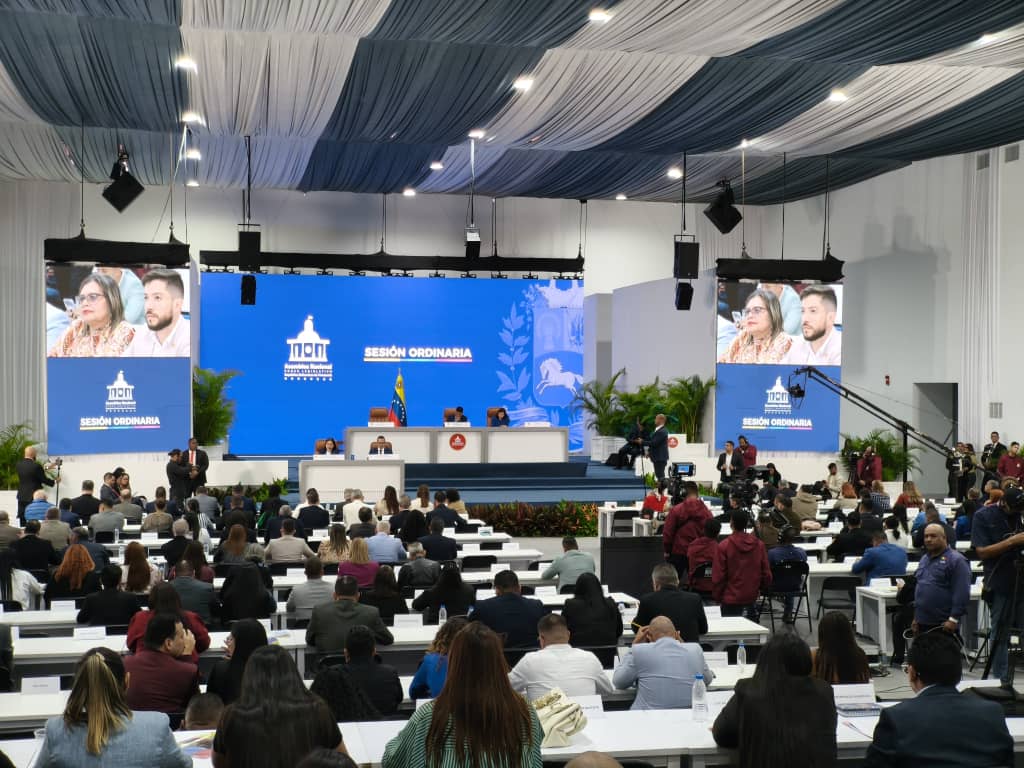
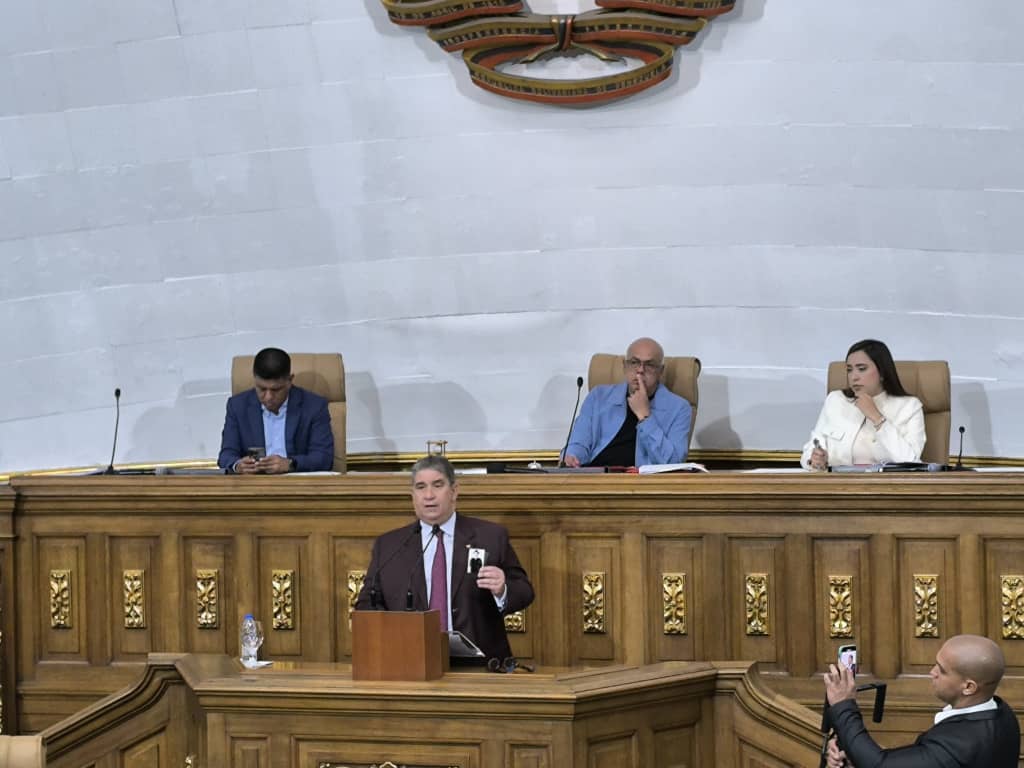
In the intricate tapestry of Venezuelan politics, the dialogue process serves as a critical juncture for various political factions. As the nation grapples with profound challenges, the current dialogue framework, initiated under the auspices of the United States, has drawn both hope and skepticism from various sectors. The delegation from the ruling Partido Socialista Unido de Venezuela (PSUV), led by Jorge Rodriguez, presents a unified front, comprising members who are perceived as representatives of the revolution. In contrast, the opposition, spearheaded by Dinorah Figuera, is exclusively formed from legislators of the 2015 Assembly, reflecting a significant divide in representation.
The Exclusion Dilemma
Despite the dialogue’s institutional setting involving the 2025 National Assembly and the Delegated Commission of the 2015 Assembly, notable absences have been felt. Key political groups such as the Alianza Democrática and Vamos Vamos, along with other factions within the Plataforma Unitaria Democrática, have been sidelined. This exclusion raises critical questions about the legitimacy and breadth of the dialogue’s reach. While these omitted groups have expressed willingness to participate in subcommittees, the overall sentiment remains that these discussions should encompass a wider array of voices from across the political spectrum.
Voices from the Assembly: A Call for Inclusion
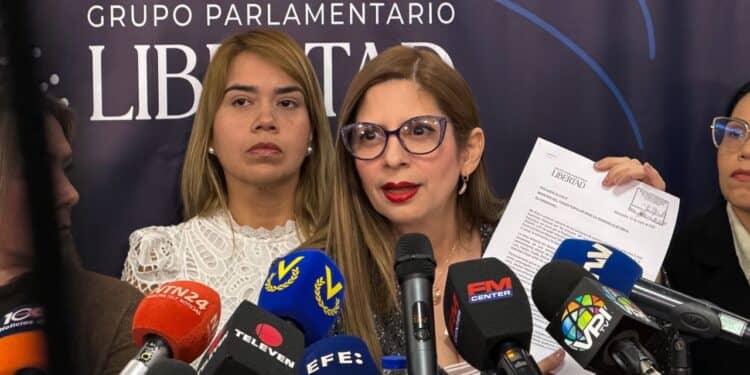
Members from the 2025 Assembly have voiced their concerns regarding the current dialogue framework. Nora Bracho, a representative from the Grupo Libertad, noted the challenges presented by the exclusion of various factions, yet she remains hopeful about the role of the 2015 Assembly members in advocating for the Venezuelan populace. The emphasis on results over mere representation is a recurring theme; Bracho underscores the need for tangible outcomes that address the dire circumstances facing Venezuelans today.
The Role of International Influence
The involvement of the United States as a facilitator of this dialogue introduces a complex layer to the negotiations. Analysts suggest that the U.S. presence could serve as a stabilizing factor, offering a historical opportunity that Venezuelan leaders must not overlook. This international dimension adds pressure on the parties involved to produce meaningful results that resonate with the broader population’s aspirations for democratic reform.
Expectations and Challenges Ahead
As the dialogue progresses, the focus shifts toward its capacity to deliver concrete results. The potential establishment of a new electoral framework and the reconstruction of critical institutions such as the Tribunal Supremo de Justicia are pivotal to restoring faith in Venezuela’s political system. However, there remains a palpable tension regarding the speed and effectiveness of these reforms. Legislators emphasize that any conversation should extend beyond the political elite, inviting diverse stakeholders from civil society, academics, and various sectors to ensure that the dialogue reflects the nation’s multifaceted needs.
A Future of Possibilities
In the face of adversity, the current political dialogue offers a glimmer of hope for a nation weary of stagnation. The calls for inclusivity, backed by a commitment to meaningful change, resonate deeply within Venezuelan society. As the dialogue unfolds, the vision of a reinvigorated democracy that prioritizes the welfare of its citizens could become a tangible reality, provided that all voices are heard and considered in the quest for a brighter future.
Editorial note: This article was created by A Bit Lavish Miami’s Magazine as an original editorial reinterpretation based on publicly available reporting. Original source: efectococuyo.com. Read the original article here: https://efectococuyo.com/politica/factores-politicos-an-de-2025-exclusion-mesa-dialogo-resultados/.
Images are used for editorial reference with source credit. If an image requires correction or removal, please contact A Bit Lavish.



Navigating the Complex Terrain of Venezuela’s Hate Law Reform
Amidst rising tensions and demands for reform, Venezuela's controversial Hate Law faces...
 2 Mins read
The Unending Struggle: Political Prisoners in Venezuela
An exploration of the plight of political prisoners in Venezuela, focusing on...
2 Mins read
Former Congressman David Rivera Sentenced to 10 Years for Secret Lobbying Tied to Venezuela
David Rivera's sentencing marks a significant legal development with implications for U.S.-Venezuela...
1 Mins read

Former GOP Congressman David Rivera Sentenced to 10 Years for Venezuela Lobbying Scheme
David Rivera, a former U.S. congressman, has been sentenced to a decade...
2 Mins read
