
Pawan Khera Claims Godse’s RSS Membership in Court Hearing
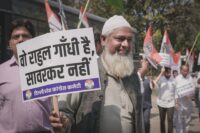
In a significant court hearing on August 18, 2026, Pawan Khera, a spokesperson for the Indian National Congress, asserted that Nathuram Godse, the assassin of Mahatma Gandhi, was a member of the Rashtriya Swayamsevak Sangh (RSS). This statement was made during ongoing proceedings related to the political ramifications of Godse’s actions and their historical context.
The claim comes at a time when the RSS, a right-wing Hindu nationalist organization, is under scrutiny for its historical associations and influence on contemporary politics. Khera’s statement aims to challenge the narratives surrounding both Godse and the RSS, particularly in light of the ongoing discussions about the ideological foundations of political parties in India.
This revelation has ignited debates among historians, political analysts, and the general public, given that Godse’s actions and his alleged affiliations have long been contentious subjects in Indian society. The timing of Khera’s claims is crucial, as they coincide with increasing political polarization in the country, with various factions attempting to reinterpret historical events to suit their narratives.
Looking ahead, the court’s decision in this case could have far-reaching implications for the RSS and its political allies, potentially influencing public perception and electoral strategies leading into upcoming elections. As the discourse evolves, further investigations and discussions in both judicial and political arenas are anticipated, which may reshape the narrative surrounding India’s historical and contemporary political landscape.
Source: newsable.asianetnews.com







Supreme Court Issues Strong Warning to Airlines Over Airfare Violations
The Supreme Court's warning to airlines underscores growing concerns over consumer rights...
 1 Mins read
Lawsuit Challenges Republican State Senate Candidate’s Eligibility in Wisconsin
A lawsuit filed today questions the eligibility of a Republican candidate for...
1 Mins read
Senator Warnock Inspects ICE Detention Center, Demands Accountability for Medical Care Deficiencies
Senator Warnock's visit underscores urgent concerns over healthcare in detention facilities amid...
1 Mins read



Florida Redistricting Sparks Political Uncertainty Ahead of Elections
The ongoing redistricting in Florida is reshaping electoral dynamics, drawing national attention...
1 Mins read
Leave a comment