
Pijush Hazarika Accuses Congress of Rhinos’ Decline in Kaziranga
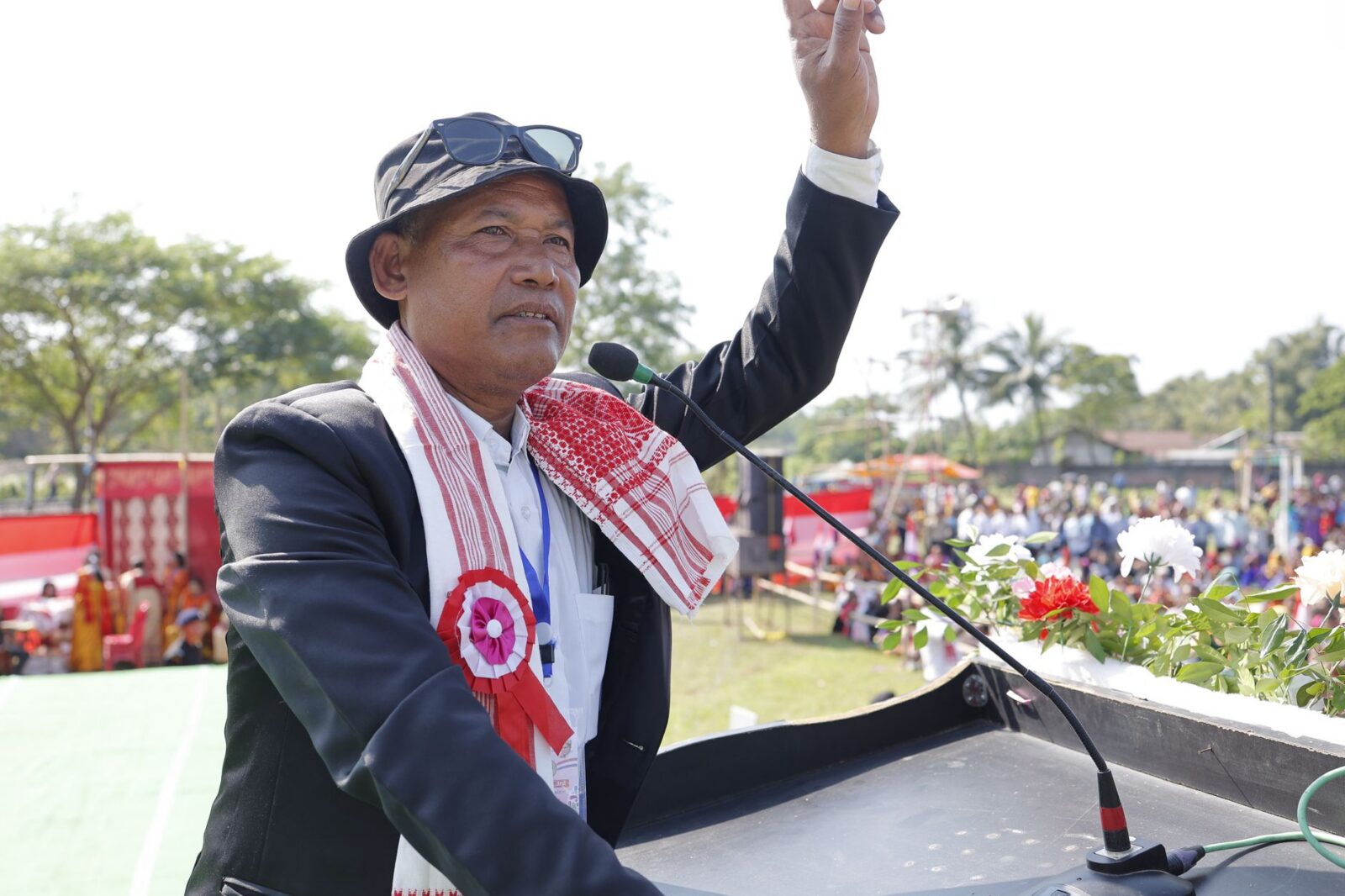
On August 19, 2026, Assam’s Minister for Environment and Forests, Pijush Hazarika, publicly condemned the Congress party, alleging that their policies had directly contributed to the decline of rhinoceros populations in the Kaziranga National Park. This assertion was made during a press conference in Guwahati, where Hazarika claimed that the previous Congress-led government had failed to implement effective conservation strategies, leading to increased poaching and habitat destruction.
The backdrop of this accusation is a long-standing political rivalry in Assam, where wildlife conservation has become a contentious issue. Hazarika’s remarks come amid a broader discourse on environmental policy and governance in India, particularly as the country grapples with the dual challenges of economic development and biodiversity preservation. The recent surge in poaching incidents has reignited debates about the effectiveness of current conservation measures and the role of political leadership in safeguarding natural resources.
This situation is particularly pressing as Kaziranga, a UNESCO World Heritage Site, is home to the largest population of the Indian rhinoceros. The park has faced significant challenges in recent years, including flooding and encroachment. Hazarika’s statements are not only a critique of the Congress party but also a call to action for the current government to prioritize wildlife protection.
Looking ahead, the political implications of Hazarika’s comments could lead to intensified scrutiny on environmental policies in Assam. As the state prepares for upcoming elections, this issue is likely to dominate political discourse, potentially influencing public opinion and voter behavior. Additionally, if conservation measures do not improve, further international attention on India’s wildlife management practices may arise, prompting calls for accountability and reform.
Source: India Today NE









Britain Faces Escalating Tensions with Russia Following Lavrov’s Drone Warning
The UK’s drone program is now a focal point in escalating geopolitical...
 1 Mins read
Gold Prices Decline Amid Rising Treasury Yields and Escalating Hormuz Tensions
Gold prices are under pressure as U.S. Treasury yields rise and geopolitical...
1 Mins read

ASEAN Central Bank Governors Advocate for Enhanced Financial Risk Cooperation
The call for ASEAN cooperation on financial risks underscores the region's commitment...
1 Mins read



Inflation Worsens Consumer Sentiment in Albania
Rising inflation in Albania raises urgent concerns for consumers and policymakers, reflecting...
1 Mins read

Leave a comment