
Pope Leo Visits Lampedusa: A Critical Moment for Migrants and Global Politics
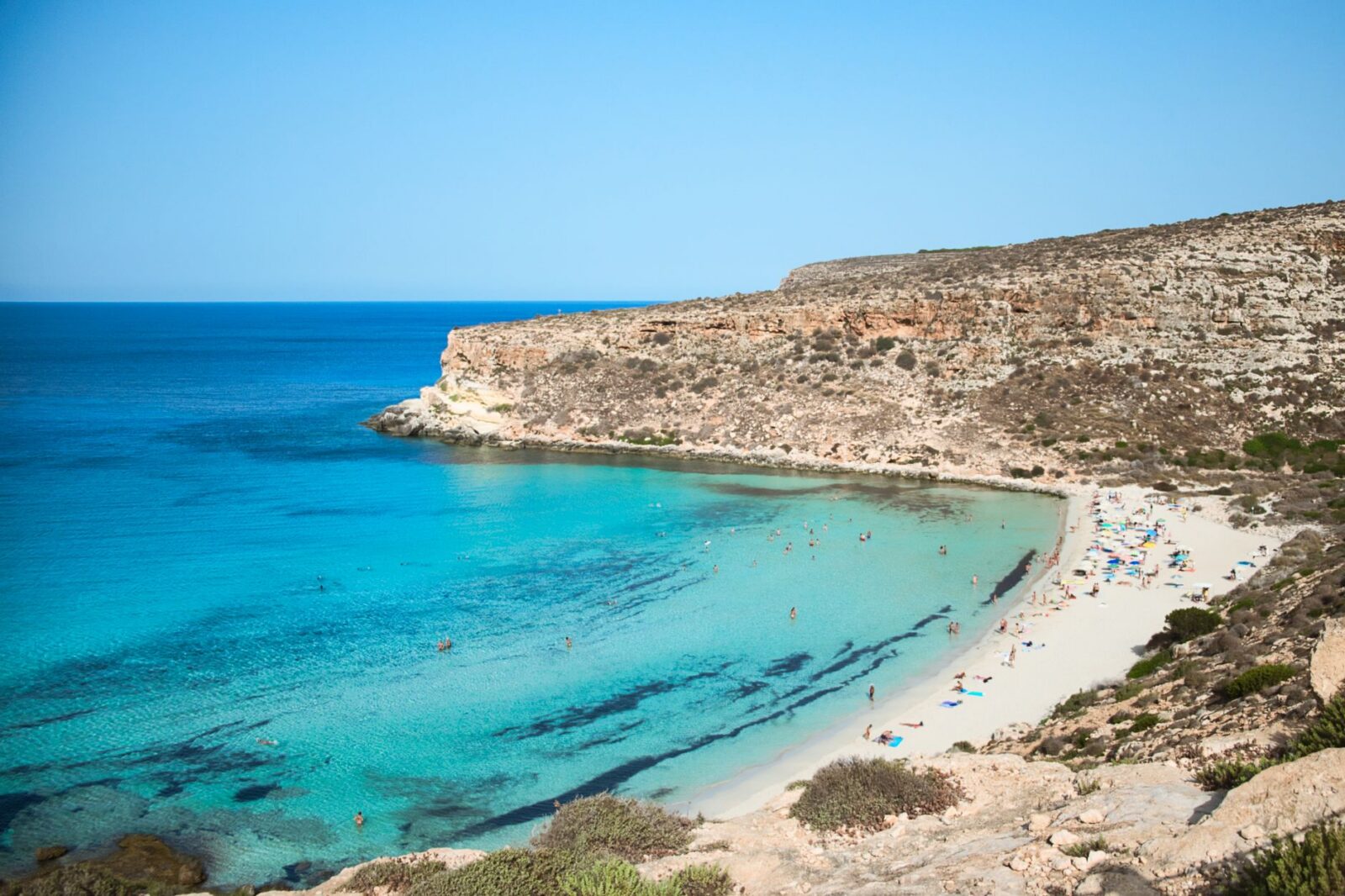
On July 7, 2026, Pope Leo undertook a significant visit to Lampedusa, an Italian island that has become emblematic of the ongoing migrant crisis in Europe. This visit marks a pivotal moment in the Catholic Church’s engagement with issues of migration and humanitarianism, as the Pope seeks to highlight the plight of migrants who risk their lives crossing the Mediterranean Sea in search of safety and opportunity.
The visit comes at a time when the global political landscape is increasingly polarized, with many countries tightening their borders amid growing anti-immigrant sentiment. Pope Leo’s presence in Lampedusa serves as a stark reminder of the human cost of such policies. He met with survivors of perilous sea journeys and acknowledged the suffering endured by those fleeing war, persecution, and poverty. This act of solidarity resonates deeply in a world where the number of displaced individuals has surpassed 100 million, according to the United Nations.
This event matters now more than ever as it calls attention to the moral responsibilities of nations and the international community. With Europe facing a resurgence of far-right political movements, Pope Leo’s visit challenges leaders to reconsider their approaches to migration and to foster compassion rather than division. His message is particularly urgent given the recent reports of increased fatalities in the Mediterranean, which underscore the need for humane policies that prioritize human dignity.
Looking ahead, Pope Leo’s visit could catalyze a broader dialogue on migration within both religious and secular spheres. The Church’s stance may influence policy debates in Europe and beyond, potentially leading to a more coordinated and compassionate response to the migrant crisis. As global leaders grapple with the complexities of migration, the Pope’s advocacy could shape the narrative around this critical issue, urging a shift towards empathy and collective action.
Source: sightmagazine.com.au







Major League Baseball’s Future Free-Agent Classes Revealed
The future of MLB's free-agent market is critical for teams and players,...
 1 Mins read

Transgender Rights Discussions Intensify Globally on July 19, 2026
The global discourse on transgender rights is evolving, highlighting urgent issues of...
1 Mins read

Family Discovers Hidden Treasure Coin at Mount Rushmore During Nationwide Hunt
This discovery highlights the intersection of heritage tourism and community engagement in...
1 Mins read



Broadway Composer Georgia Stitt Unveils New Album ‘Bell Tower’ Featuring Renowned Broadway Artists
Georgia Stitt's latest album release underscores the enduring influence of Broadway on...
1 Mins read

Leave a comment