
Record Diesel Prices Surge in Houston, Impacting Food Costs and Economy
HOUSTON — September 19, 2026
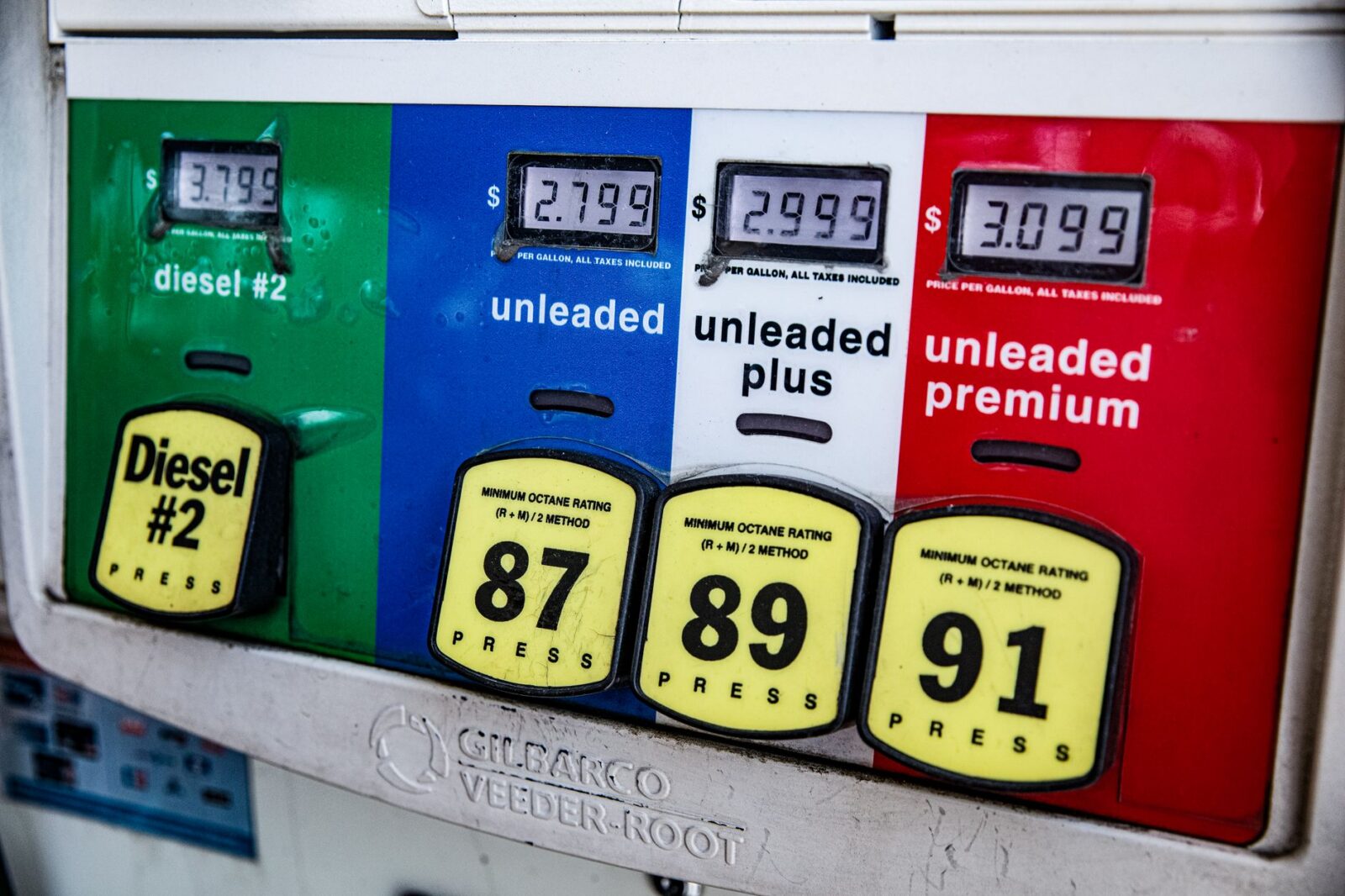
In a troubling development for consumers and businesses alike, diesel prices in the Houston area have reached record highs, further exacerbating concerns about rising food costs and economic stability. As of September 19, 2026, diesel prices have surged to unprecedented levels, prompting widespread attention and analysis of the implications for the economy.
The current spike in diesel prices is attributed to a combination of factors, including supply chain disruptions, increased demand for freight transportation, and geopolitical tensions affecting oil supply. According to data reported by ABC13 Houston, the price of diesel has hit a new high, impacting not only transportation costs but also the prices of goods reliant on diesel-powered logistics.
Directly involved in this situation are major oil companies, logistics firms, and consumers who rely on diesel for transportation and goods delivery. The American Trucking Association has expressed concern that sustained high diesel prices could lead to increased costs for consumers, particularly in the food sector, where transportation plays a critical role in pricing.
The trigger for this latest price surge appears to be a combination of seasonal demand increases and ongoing supply chain challenges. The U.S. Energy Information Administration (EIA) has noted that diesel inventories are at their lowest levels in years, which has contributed to the upward pressure on prices. As of this week, the average price for diesel in Houston has surpassed $5.00 per gallon, a significant increase from previous months.
This development is receiving heightened attention now due to its potential ripple effects on the economy. With food prices already on the rise, the increased cost of diesel is likely to lead to further inflationary pressures, particularly in the grocery sector. Analysts warn that if diesel prices remain elevated, consumers could see a marked increase in the cost of everyday goods.
The significance of this situation extends beyond local implications; it resonates on a national scale as the U.S. grapples with inflation and economic recovery post-pandemic. The interconnectedness of fuel prices and food costs highlights the fragility of supply chains and the broader economic landscape.
Looking ahead, several scenarios could unfold. If diesel prices continue to rise, we may see further increases in food prices, prompting consumer backlash and potential policy responses from government officials. Additionally, logistics companies may need to adjust their pricing structures, which could lead to a reevaluation of contracts and freight rates across the industry. Stakeholders will be closely monitoring the situation as it develops, particularly as the holiday season approaches, a critical time for food distribution and retail.
Source: ABC13 Houston










Escalation of US Tariffs on Canadian Dairy Farmers Impacts Exports
Recent increases in US tariffs on Canadian dairy products are significantly affecting...
 2 Mins read

Federal Reserve Approves Interest Rate Hike: Implications for the Economy
The Federal Reserve's recent interest rate hike aims to combat inflation, impacting...
2 Mins read

Hawk Kashkari Warns of Persistent Inflation, Advocates for Rate Hikes
Federal Reserve President Neel Kashkari emphasizes the need for continued rate hikes...
2 Mins read



White House Takes Control of NIH Grants: A New Era in Health Research Funding
The White House's recent decision to take control of NIH grants signifies...
2 Mins read

Leave a comment