

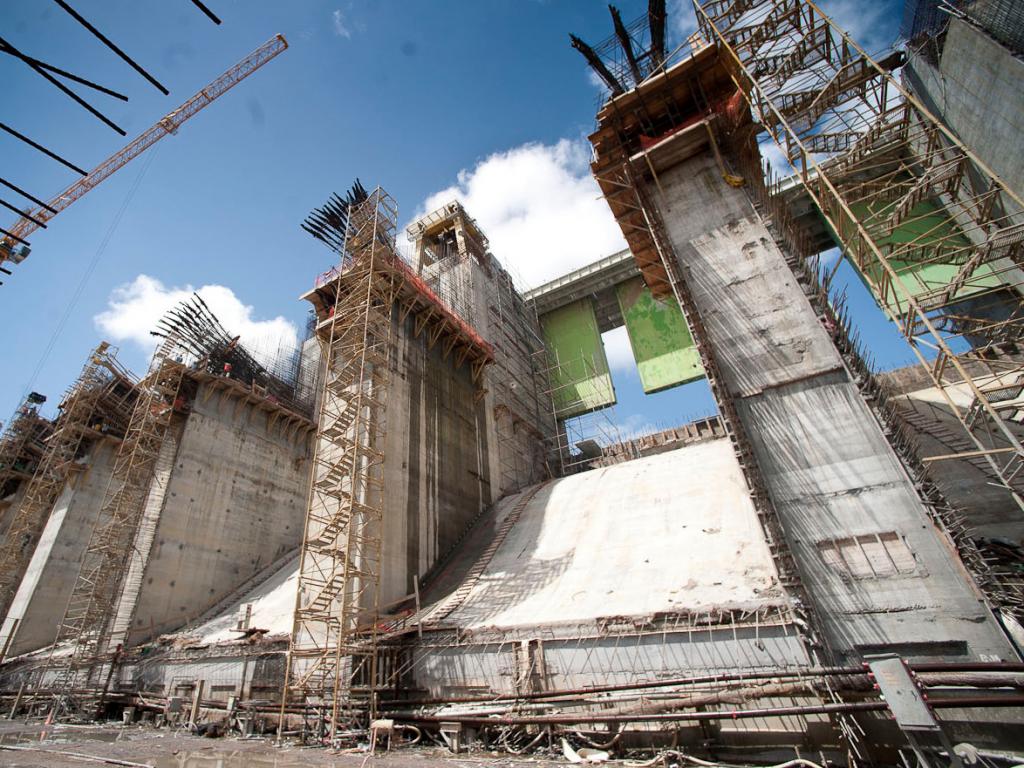
A New Dawn for Venezuela’s Power Supply
In a significant development for Venezuela’s struggling energy sector, the first phase of the Tocoma Hydroelectric Project is set to add an impressive 160 megawatts (MW) to the nation’s grid within the next three months. This announcement, made by the United States Embassy in Caracas, underscores not just an effort to bolster the country’s electrical capabilities, but also reflects a larger plan to stabilize and rejuvenate the Venezuelan economy.
Collaborative Efforts with International Partners
The revival of the Tocoma project is being facilitated through a partnership with the Argentine-American firm IMPSA, which has been contracted to modernize and rehabilitate both Tocoma and the nearby Macagua Dam. This multi-phase initiative aims for a collective output of 2,640 MW, a critical step towards addressing the ongoing energy crisis that has plagued the country for years.
Historical Context of the Tocoma Project
Originally launched in 2007 during the presidency of Hugo Chávez, the Tocoma project was expected to be completed by 2014. However, the construction faced significant delays, with progress reported at 87.19% completion according to the NGO Transparency Venezuela. This long-standing project not only holds the promise of restoring power but also represents a crucial component of the broader Guayana hydroelectric complex, which includes the Guri, Macagua, and Caruachi plants.
Government Initiatives and Public Response
The Venezuelan government, under the guidance of Energy Minister Rolando Alcalá, has emphasized the importance of this project in fostering industrial development in the Bolívar region and stabilizing the extensive network of reservoirs in the Guayana complex. Amid ongoing electricity shortages, officials have urged citizens to conserve energy and water—especially in light of the severe climatic challenges posed by the current El Niño phenomenon, colloquially referred to as “Superniño.”
The Broader Implications for Venezuela and Beyond
The Tocoma project is more than an energy initiative; it represents a crucial aspect of Venezuela’s journey towards economic recovery and democratic transition. While the current government attributes the ongoing power shortages to foreign sanctions and sabotage, opposition figures and analysts highlight systemic corruption and neglect as the primary culprits. The collaboration with IMPSA and the renewed focus on hydroelectric power could signify a turning point in this narrative.
Looking Forward: A Path to Recovery
As the first phase of Tocoma nears completion, the anticipation surrounding Venezuela’s energy landscape grows. With the promise of increased capacity and improved reliability, there is hope that this project will not only alleviate the immediate power shortages but also set the groundwork for a more stable and prosperous future. The implications extend beyond national borders, as Venezuela’s recovery efforts could serve as a case study for hydroelectric development in Latin America.
Editorial note: This article was created by A Bit Lavish Miami’s Magazine as an original editorial reinterpretation based on publicly available reporting. Original source: efectococuyo.com. Read the original article here: https://efectococuyo.com/economia/hidroelectrica-tocoma-aportara-160-mw-dice-eeuu/.
Images are used for editorial reference with source credit. If an image requires correction or removal, please contact A Bit Lavish.








Venezuelan Energy: A Call for Transparency and Democratic Governance
María Corina Machado voices significant concerns over a new U.S.-Venezuela oil agreement,...
 2 Mins read
Unveiling the Truth Behind Nicolás Maduro’s Controversial Photos
Explore the authenticity and implications of the recently released photographs of Nicolás...
2 Mins read
Unveiling the Shadows: The Uncertain Future of Political Prisoners in Venezuela
An exploration of the ongoing plight of political prisoners in Venezuela, focusing...
3 Mins read


Rebuilding Venezuela: The Crucial Role of Legitimacy in Investment and Reconstruction
Exploring the essential relationship between institutional legitimacy and sustainable investment in Venezuela's...
3 Mins read