

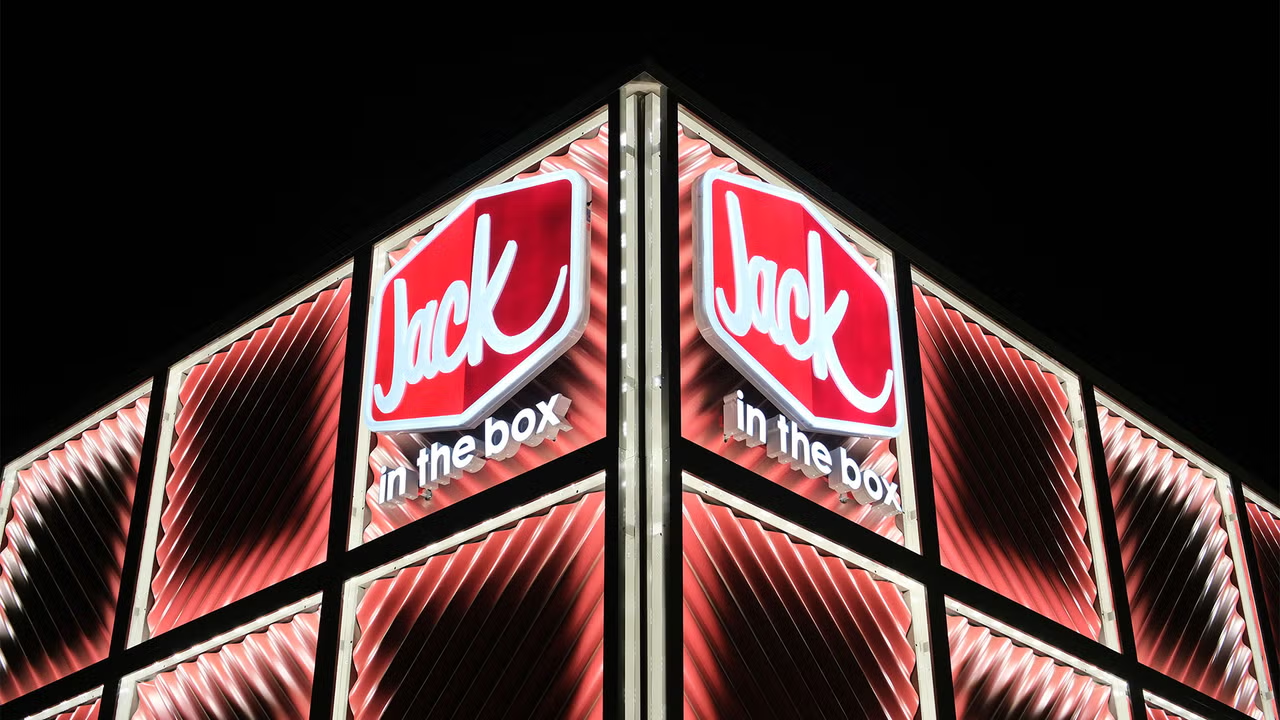
A Pivotal Moment for Jack in the Box
In an era marked by shifting consumer preferences and increased competition in the fast-food sector, Jack in the Box finds itself at a critical juncture. The beloved burger chain has recently announced the closure of 40 locations in just the first three quarters of 2026, with projections suggesting that an additional 10 to 20 restaurants may soon follow suit. This strategic retreat raises questions about the brand’s long-term viability and adaptability in a rapidly evolving marketplace.
Understanding the Figures
Despite the closures, Jack in the Box’s financial performance has shown some resilience. The company’s recent earnings report revealed that it exceeded Wall Street expectations with an earnings per share (EPS) of 96 cents, surpassing the predicted 88 cents. While same-store sales dipped by 1.1%, this marks an improvement compared to a more significant decline of 7.1% the previous year. Such figures indicate that while challenges persist, the brand is making strides toward stabilizing its financial footing amidst adversity.
Strategic Moves Under Pressure
The closures are part of the company’s broader initiative, dubbed “Jack on Track,” which aims to streamline operations by shutting down 150 to 200 underperforming locations. This initiative underscores the changing dynamics in the fast-food industry, where agility and strategic decision-making are paramount. CFO Dawn Hooper highlighted the complexities involved in executing this plan, noting that lease obligations often hinder the pace at which closures can be implemented. The company is currently collaborating with a third-party firm to navigate these challenges and expedite the process.
Market Realities and Future Outlook
As Jack in the Box reevaluates its closure strategy, it is essential to consider the broader market context. The fast-food industry is experiencing a significant transformation, driven by changing consumer tastes and an increasing preference for healthier dining options. In Miami, where culinary diversity thrives, brands must adapt quickly to stay relevant. The local market’s inclination towards fresh, innovative dining experiences presents both a challenge and an opportunity for traditional fast-food chains like Jack in the Box.
The Path Ahead: A Balancing Act
Looking towards the future, Jack in the Box anticipates maintaining approximately 2,100 stores by the end of fiscal 2026. This projection reflects a cautious yet optimistic approach to managing its footprint amidst the ongoing challenges. The company’s ability to navigate its lease obligations while closing underperforming locations will be crucial. Investors and consumers alike will be watching closely as Jack in the Box endeavors to reinvent itself and reclaim its market position.
Conclusion: Resilience in the Face of Adversity
In the fast-paced world of fast food, adaptability is key. Jack in the Box’s current predicament serves as a poignant reminder of the industry’s volatility and the importance of strategic foresight. As the brand confronts its operational hurdles and market dynamics, its journey will undoubtedly provide valuable lessons for both shareholders and industry peers on resilience, innovation, and the relentless pursuit of relevance.
Editorial note: This article was created by A Bit Lavish Miami’s Magazine as an original editorial reinterpretation based on publicly available reporting. Original source: fastcompany.com. Read the original article here: https://www.fastcompany.com/91590401/jack-in-the-box-closing-stores-2026-list-doomed-locations-grows.
Images are used for editorial reference with source credit. If an image requires correction or removal, please contact A Bit Lavish.









Guardians of Innovation: The Rising Tide of Security Workers in Silicon Valley
Explore the critical role of security workers in Silicon Valley's AI landscape...
 2 Mins read

The New Chapter in AI: How Book Acquisitions are Reshaping Language Models
Explore how AI companies are acquiring physical books to enhance training for...
2 Mins read

Reassessing the Impact of Cell Phone Bans in Schools: A Miami Perspective
Explore the nuanced effects of cell phone bans in schools, with insights...
2 Mins read


Navigating the AI-Infused Entertainment Landscape: The Rise of ‘Bad Cat’
Explore the intriguing intersection of AI and nostalgia in entertainment with the...
2 Mins read
