
A Community in Crisis
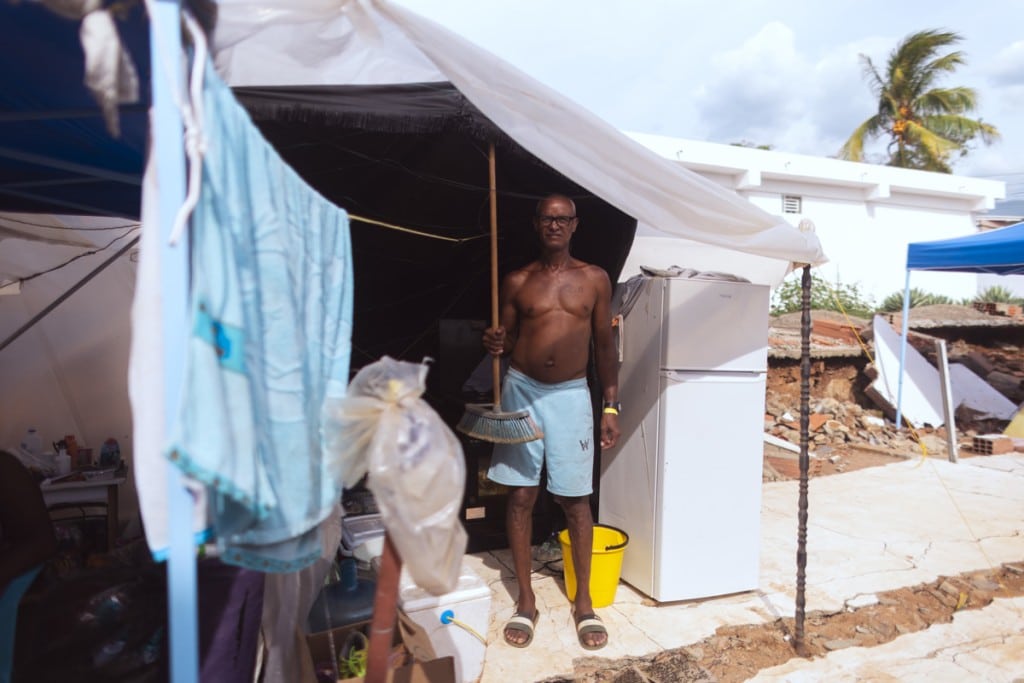
In the wake of the recent twin earthquakes that shook Venezuela, a staggering number of individuals continue to face dire circumstances. As the dust settles from the seismic events registering 7.2 and 7.5 on the Richter scale, approximately 6,000 residents find themselves camped on the streets of La Guaira and Caracas, lacking adequate shelter and basic services.
The Unfolding Tragedy
According to a report by Médecins Sans Frontières (MSF), the aftermath has been devastating, with official figures confirming nearly 5,400 fatalities. The earthquakes, which struck on June 24, have left over 23,000 individuals residing in 107 temporary camps established to provide some measure of refuge. Yet, many remain exposed to the elements, with around 3,000 people still sleeping in the streets of Maiquetía, amidst the ruins of buildings that stand as a testament to the disaster.
Desperate Needs
The situation in La Guaira and Caracas is alarming, as urgent necessities mount. MSF has highlighted critical shortages of potable water, safe shelter, and mental health support. The organization’s representatives describe the scenario as a complex and prolonged crisis, emphasizing the importance of immediate aid to alleviate suffering.
Healthcare on the Frontlines
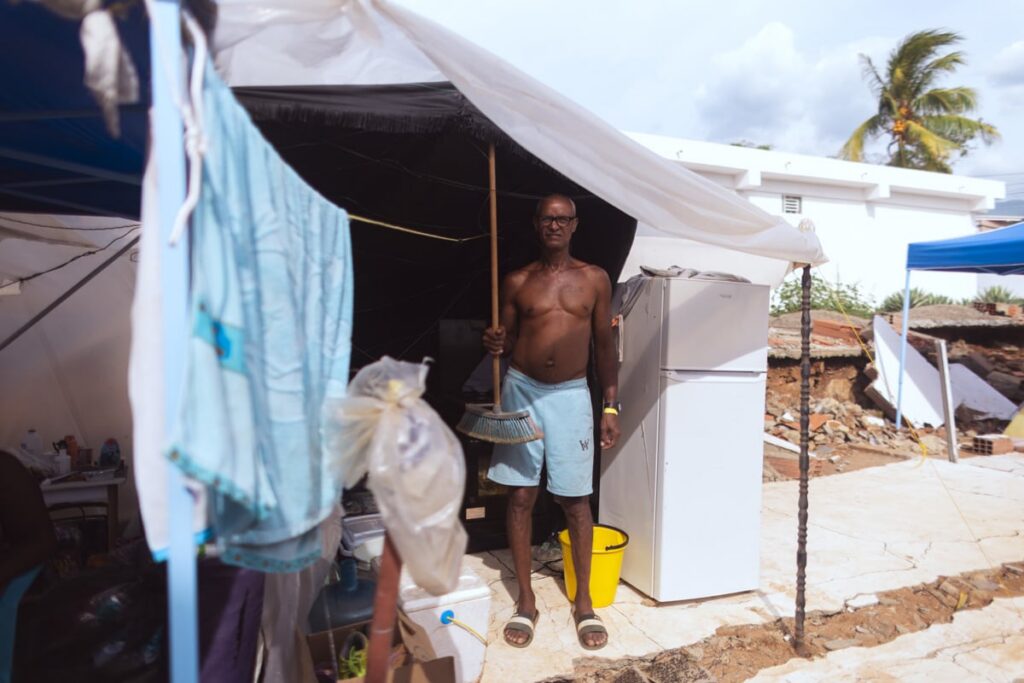
In the face of adversity, MSF has mobilized resources to provide care. Operating four mobile clinics—three in La Guaira and one in Caracas—these teams have conducted over 2,000 medical consultations and provided mental health support to more than a hundred individuals. The organization is also working to enhance access to clean drinking water, a crucial need in the aftermath of such a disaster.
Emotional Toll and Community Spirit
The emotional impact on those affected is profound. Many individuals report feelings of anxiety and fear as they navigate the uncertain landscape created by the earthquakes. David García, the Emergency Coordinator for MSF, notes that the anxiety often stems from the harrowing task of returning to their homes to retrieve essential belongings, with the looming threat of further seismic activity constantly in their minds.
Moreover, the psychological burden of grief weighs heavily on the community. Survivors are not only mourning the loss of loved ones but also grappling with the destruction of their homes and the disruption of their lives. García poignantly remarks that the convergence of insufficient resources and overwhelming loss surpasses the coping capacity of individuals already grappling with a catastrophic situation.
Moving Forward
The road to recovery will be long and fraught with challenges. As the Venezuelan population seeks to rebuild, the resilience and spirit of the affected communities will be vital. Support from organizations like MSF and the international community is crucial to address the immediate needs and facilitate long-term recovery efforts.
In Miami, where many Venezuelan expatriates reside, the unfolding crisis serves as a poignant reminder of the fragility of life and community. As Miamians reflect on their own experiences and connections to Venezuela, opportunities to provide support through charitable initiatives become a call to action, fostering solidarity in times of need.
Editorial note: This article was created by A Bit Lavish Miami’s Magazine as an original editorial reinterpretation based on publicly available reporting. Original source: efectococuyo.com. Read the original article here: https://efectococuyo.com/la-humanidad/unas-6-000-personas-siguen-acampando-en-la-calle-tras-los-terremotos-en-venezuela-dice-msf/.
Images are used for editorial reference with source credit. If an image requires correction or removal, please contact A Bit Lavish.





Venezuela’s Resilience Amid Colombia’s Tragedy: A Tale of Hope and Solidarity
Exploring the humanitarian crisis following Colombia's devastating earthquake and the cross-border solidarity...
 2 Mins read
Venezuelan Weather Forecast: A Rainy Weekend Ahead
Explore the weekend weather forecast in Venezuela, where variable rainfall and atmospheric...
 ABL2 Mins read
A New Dawn for Venezuela: Insights from María Corina Machado
María Corina Machado discusses the transformative period in Venezuela and the urgent...
ABL2 Mins read


Un Nuevo Capítulo: El Realineamiento de América Latina con Israel
Descubre cómo las relaciones diplomáticas entre Israel y América Latina están evolucionando,...
ABL3 Mins read
