
Resilience in Ruins: The Impact of Natural Disasters on Cultural Heritage


Shaking Foundations: A Cultural Landmark in Peril
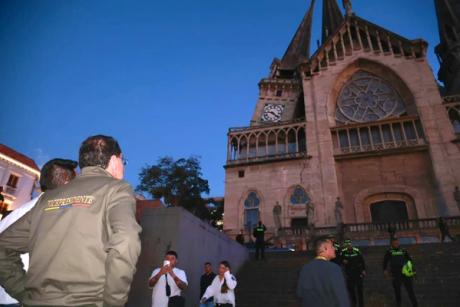
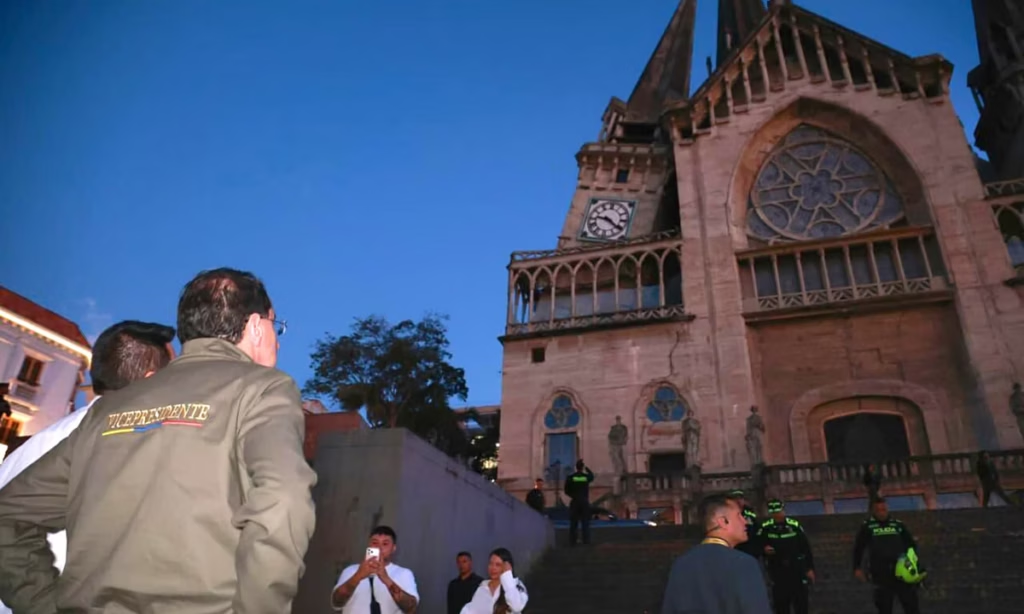
The recent seismic upheaval that struck Colombia has reverberated far beyond the physical landscape, leaving a profound impact on the cultural and spiritual heritage of its people. At the center of this disaster lies the Manizales Cathedral, a beloved architectural gem and the tallest church in the nation. The earthquake, registering a staggering 7.4 on the Richter scale, resulted in the catastrophic collapse of one of its iconic towers, reshaping not only the skyline but also the emotional landscape of a community.
The Architectural Significance of Manizales Cathedral
Constructed in the early 20th century, the Manizales Cathedral is more than a house of worship; it is a testament to the skill and artistry of its time. Designed in a neo-Gothic style, the cathedral features intricate stained glass windows and a majestic spire that has long served as a symbol of hope and resilience for the residents of Manizales. This architectural marvel is deeply embedded in local identity, representing not just religious faith but also the artistic heritage of Colombia.
Artistic Legacy and Community Connection
For the people of Manizales, the cathedral is more than bricks and mortar; it embodies a shared history and collective memory. The building has been a canvas for countless artists, musicians, and community events, fostering a vibrant cultural scene. Its presence has nurtured a sense of belonging, making the recent damage not only a physical loss but an emotional one as well.
Preservation Challenges in the Face of Natural Disasters
The earthquake has sparked urgent discussions around the preservation of historical sites in seismically active regions. As experts assess the damage, the focus shifts to restoration efforts that must balance the integrity of the original design with modern engineering techniques. Preserving the cathedral will require a nuanced understanding of both its artistic value and the need for structural resilience against future earthquakes.
The Broader Implications for Cultural Heritage
As the world grapples with the effects of climate change and natural disasters, the fate of cultural monuments like the Manizales Cathedral raises critical questions about how we value and protect our shared heritage. The cathedral, while a local symbol, resonates globally, reminding us of the fragility of cultural identity in the face of nature’s unpredictability. Movements advocating for the preservation of cultural sites are gaining momentum, emphasizing the necessity for international collaboration in safeguarding our artistic legacies.
Investment in Culture: A Call to Action
For collectors and investors alike, the events surrounding the Manizales Cathedral underscore the importance of cultural preservation as an investment in humanity. As the art world increasingly recognizes the intrinsic value of cultural heritage, opportunities arise to support restoration projects that not only protect historical landmarks but also contribute to local economies and tourism. Investing in the restoration of cultural sites can yield dividends far beyond financial returns, as it fosters community pride and global awareness.
The Road Ahead: Rebuilding with Purpose
The journey to restore the Manizales Cathedral will be long and fraught with challenges, yet it offers a chance for renewal. As the community rallies together, there is hope that the rebuilding process will not only restore the physical structure but also reinvigorate the spirit of a city that has weathered many storms. The resilience demonstrated by the people of Manizales serves as a powerful reminder that in the face of adversity, art and culture can emerge stronger, illuminating the path forward.
Editorial note: This article was created by A Bit Lavish Miami’s Magazine as an original editorial reinterpretation based on publicly available reporting. Original source: theartnewspaper.com. Read the original article here: https://www.theartnewspaper.com/2026/08/11/colombia-earthquake-damages-manizales-cathedral.
Images are used for editorial reference with source credit. If an image requires correction or removal, please contact A Bit Lavish.








A Historic Ruling: The Return of a Nazi-Looted Masterpiece
An unprecedented legal victory marks the return of a masterwork looted during...
 ABL2 Mins read

Artful Ingress: Recent Acquisitions Shaping Museum Narratives
Explore the latest museum acquisitions, including a striking French mask and a...
ABL3 Mins read

Unveiling the Enigma: Agatha Christie at the British Library
Explore the intricacies of Agatha Christie’s life and legacy at the British...
ABL2 Mins read


Faro Santander: A New Beacon for Artistic Legacy
Explore the newly inaugurated Faro Santander, a museum that showcases an extensive...
ABL2 Mins read
