
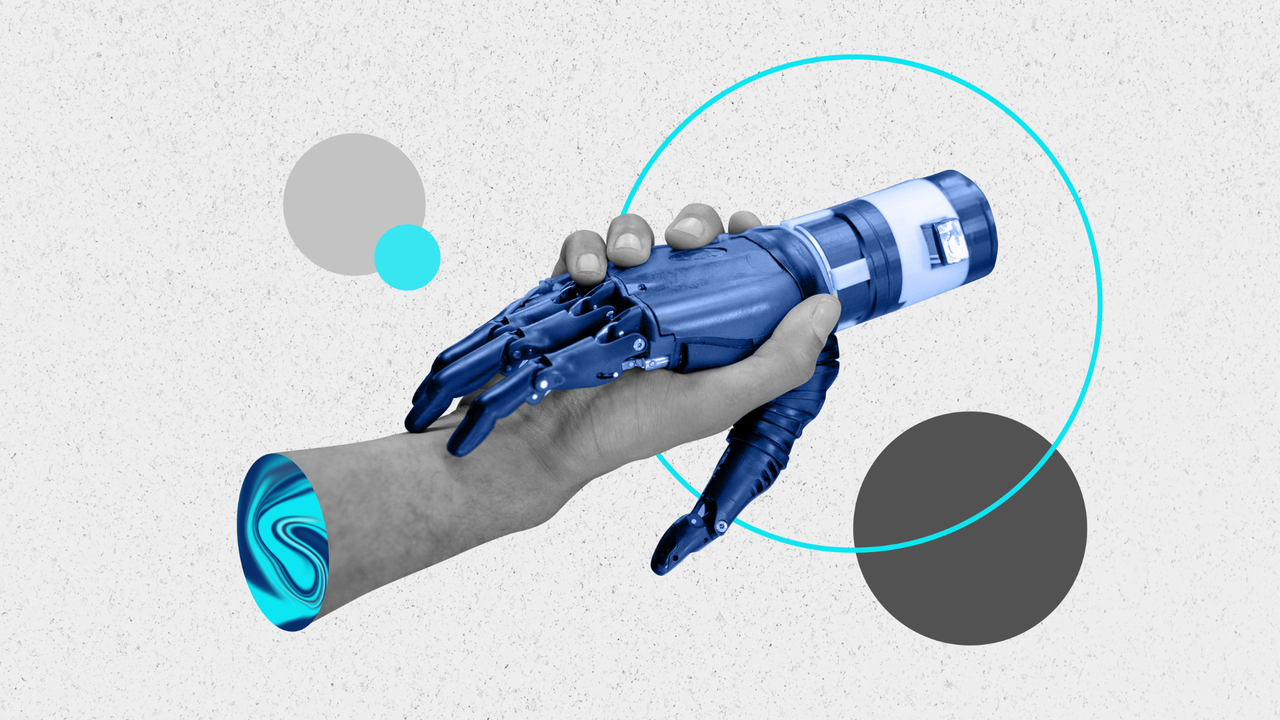
The Evolving Landscape of Consumer Interaction
In today’s fast-paced digital market, the role of artificial intelligence is rapidly expanding, reshaping how consumers interact with brands. As businesses increasingly adopt AI technologies to enhance customer experiences, understanding the delicate balance between automation and human connection becomes essential. Recent findings from Adobe’s 2026 AI and Digital Trends Consumer Report reveal that a significant portion of consumers—56%—anticipate improvements in their interactions with brands due to AI. However, this enthusiasm comes with caveats, highlighting the importance of establishing clear boundaries between human and AI engagement.
The Paradox of Preference
As consumers embrace the convenience and efficiency offered by AI, they simultaneously express a desire for human oversight. While 43% are open to the idea of an AI concierge, a mere 19% are willing to relinquish their primary interactions with brands to AI. This dichotomy underscores the necessity for businesses to facilitate a human touch in contexts where emotional intelligence and nuanced understanding are paramount. Customers crave the speed of AI, yet they seek assurance that a human is available should a situation evolve beyond the algorithm’s grasp.
Defining Boundaries for Comfort
At the core of fostering trust is the establishment of clear boundaries regarding AI capabilities. Customers are inclined to ask fundamental questions: Am I aware that I am interacting with AI? Is it assisting me or making unilateral decisions? Can I adjust its actions, or revert to human assistance if needed? These inquiries reflect a need for transparency and control in the user experience. Companies that prioritize these boundaries are more likely to cultivate a loyal customer base that feels secure in their interactions.
Trust by Design: A Strategic Imperative
For organizations aiming to capitalize on AI’s potential, embedding trust into the design of AI interfaces is crucial. This approach—termed ‘trust by design’—involves integrating ethical considerations and user-centric design principles from the outset. It begins with a clear purpose, ensuring that AI serves to enhance user experiences by saving time, alleviating effort, and improving overall outcomes. If the benefits of AI usage are not immediately apparent, organizations should consider limiting its authority to assistive roles rather than commanding control.
The Role of Leadership in Shaping Human-AI Dynamics
Leadership teams must proactively define the parameters within which AI operates. This encompasses determining the extent of AI autonomy, defining when human intervention is necessary, and clarifying the pathways for customers to withdraw or alter their permissions. Such governance should not be perceived as a hindrance to innovation; rather, it can distinguish a brand in a competitive landscape. By offering customers a transparent framework for their interactions, businesses can instill confidence in AI technologies, encouraging more extensive adoption.
The Future: A Harmonious Coexistence
The future of customer interaction will not be a binary choice between human and AI; instead, it will be a harmonious coexistence of both. As AI systems become more sophisticated and confident, they will still require the guiding hand of human oversight. Organizations that excel will be those that thoughtfully design the interplay between human intuition and artificial intelligence, ensuring that the nuances of human judgment remain at the forefront. As we navigate this evolving landscape, the emphasis must remain on accountability—only humans can own the consequences of decisions made, even if AI executes the actions.
Editorial note: This article was created by A Bit Lavish Miami’s Magazine as an original editorial reinterpretation based on publicly available reporting. Original source: fastcompany.com. Read the original article here: https://www.fastcompany.com/91602084/trust-in-ai-starts-with-human-ai-boundaries.
Images are used for editorial reference with source credit. If an image requires correction or removal, please contact A Bit Lavish.








Navigating the Real Estate Landscape: A Shift in Market Dynamics
Explore the evolving trends in real estate pricing across major U.S. metros,...
 ABL2 Mins read

Rekindling Connections: TSA Gateside Revives the Air Travel Experience
Discover how TSA Gateside is transforming air travel by allowing non-flying PreCheck...
ABL2 Mins read

Navigating High Gas Prices: The New Reality for Miami’s Drivers
As gas prices soar to unprecedented levels, Miami's drivers must adapt to...
ABL3 Mins read



A Tragic Intersection of Progress and Safety: The Aftermath of the Miami Cargo Plane Crash
Explore the implications of the recent Amazon cargo plane crash in Miami,...
ABL2 Mins read

Leave a comment