
Rising Diesel Fuel Costs Reach Tipping Point for Colorado Companies
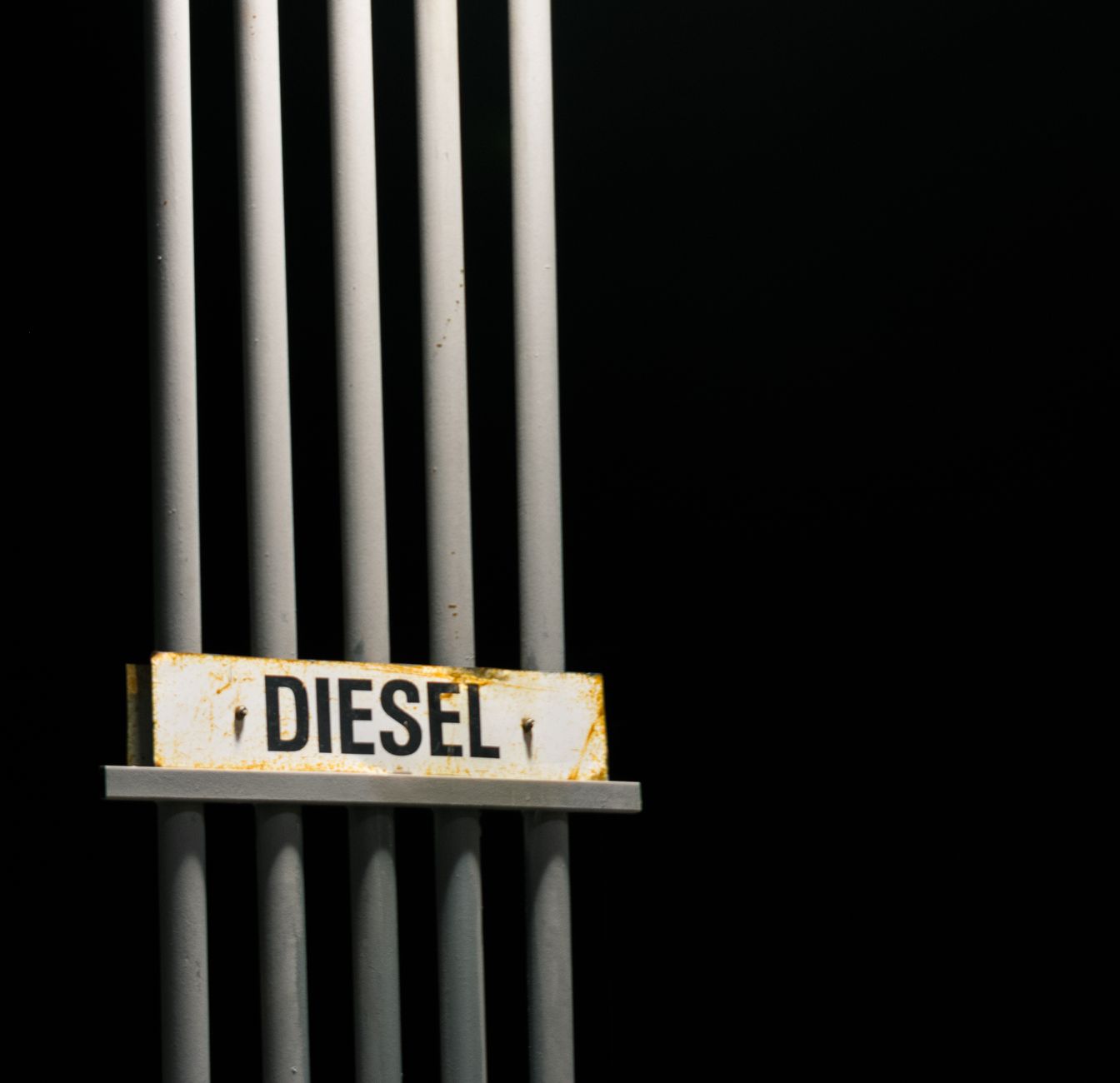
DENVER — September 19, 2026
The rising cost of diesel fuel has reached a critical juncture for companies across Colorado, as many are now facing operational challenges that threaten their sustainability. This development, reported by CBS News on September 19, 2026, highlights the broader economic implications of increasing fuel prices on supply chains and business operations.
In recent months, diesel prices have surged, driven by a combination of factors including global supply chain disruptions, geopolitical tensions, and increased demand as the economy continues to recover from the pandemic. As of mid-September 2026, the average price of diesel fuel in Colorado has climbed to approximately $5.50 per gallon, a significant increase from previous months.
Companies in various sectors, particularly those reliant on transportation and logistics, are feeling the pinch. Local businesses, including trucking firms and construction companies, report that the rising fuel costs are squeezing their profit margins and forcing them to reconsider pricing strategies. Some companies have indicated that they are reaching a “tipping point,” where continued increases in fuel prices could lead to drastic operational changes, including potential layoffs or reduced service offerings.
According to industry experts, the current situation is exacerbated by a lack of immediate solutions to stabilize fuel prices. The U.S. Energy Information Administration (EIA) has noted that while there are efforts to increase domestic production, the geopolitical landscape remains volatile, affecting supply chains globally. Additionally, the ongoing conflict in Eastern Europe and sanctions on oil-producing nations have further complicated the situation.
This development is receiving heightened attention as it not only impacts local businesses but also has potential national ramifications. The trucking industry, which is a vital component of the U.S. economy, relies heavily on diesel fuel. A sustained increase in fuel costs could lead to higher prices for goods nationwide, contributing to inflationary pressures that consumers are already experiencing.
As businesses grapple with these challenges, they are exploring various strategies to mitigate the impact of rising diesel prices. Some are investing in fuel-efficient technologies, while others are considering alternative fuel sources. However, these transitions require time and capital, which may not be readily available for all companies.
Looking ahead, the situation remains fluid. If diesel prices continue to rise, we could see a wave of operational adjustments across industries, potentially leading to increased costs for consumers. Policymakers may also need to intervene to address the underlying issues contributing to fuel price volatility, including exploring options for energy independence and sustainability.
Source: CBS News










Federal Reserve Implements Rate Hike Amidst Persistent Inflation and Accelerated Growth
The Federal Reserve's recent decision to raise interest rates signals a significant...
 2 Mins read

Navigating the New Frontier: AI Labs and the Safety Imperative
Exploring the strategic interplay between AI safety initiatives and competitive advantage among...
2 Mins read

Federal Reserve Raises Interest Rates by a Quarter Point to Combat Inflation
The Federal Reserve's recent decision to increase interest rates marks a significant...
1 Mins read



Federal Reserve’s Kashkari Issues Stark Inflation Warning, Advocates for Rate Hikes
Neel Kashkari, President of the Federal Reserve Bank of Minneapolis, has raised...
2 Mins read

Leave a comment