

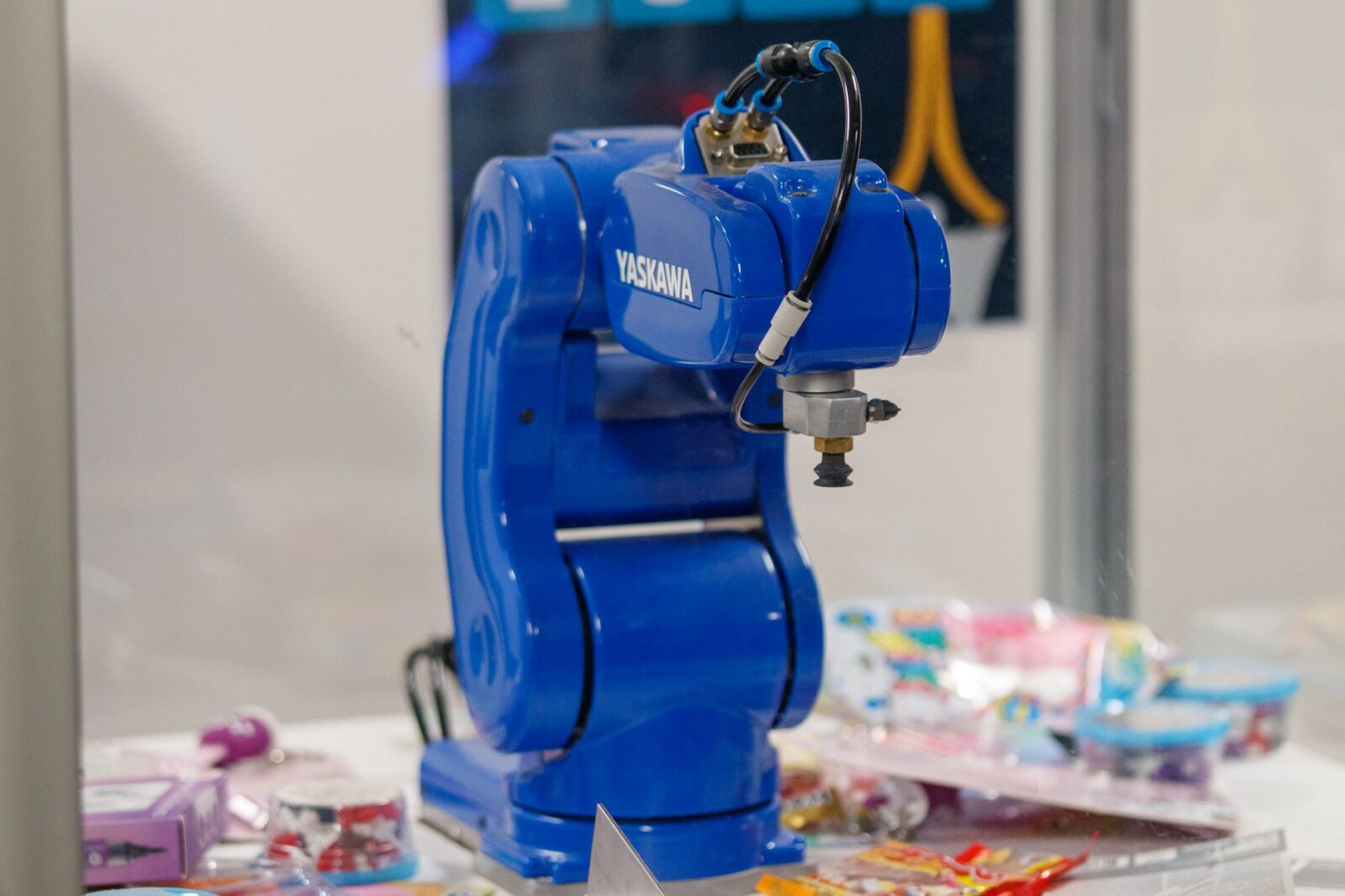
On August 8, 2026, the MIT Sloan Management Review released a report highlighting the uneven adoption of robotics across various industries. While sectors like manufacturing and logistics have embraced automation, others, particularly in service-oriented fields, lag behind. This disparity raises critical questions about labor dynamics and economic productivity.
The report indicates that companies such as Amazon and Tesla lead in integrating robotic solutions, significantly enhancing efficiency and reducing costs. However, the hospitality and healthcare sectors struggle to implement similar technologies, primarily due to high initial investment costs and a lack of skilled workforce. This uneven landscape has triggered discussions among policymakers and business leaders about the future of work and the need for regulatory frameworks that support a balanced approach to automation.
This development is particularly significant now as global economies are attempting to recover from the impacts of the COVID-19 pandemic. With labor shortages persisting in many regions, the role of automation becomes increasingly critical. The challenge lies in ensuring that advancements in robotics do not exacerbate existing inequalities in the job market, particularly for low-skilled workers.
Looking ahead, businesses may need to adapt their strategies to incorporate flexible automation solutions that can be tailored to diverse industry needs. Policymakers might introduce incentives for training programs aimed at equipping the workforce with the necessary skills to thrive in an automated world. As robotics continue to evolve, the conversation around ethical implications and economic impacts will likely intensify, shaping the future landscape of work globally.










Reimagining Accountability: The Federal Reserve’s Role in a Changing Economy
Exploring the evolution of the Federal Reserve's accountability amid unprecedented economic pressures...
 3 Mins read
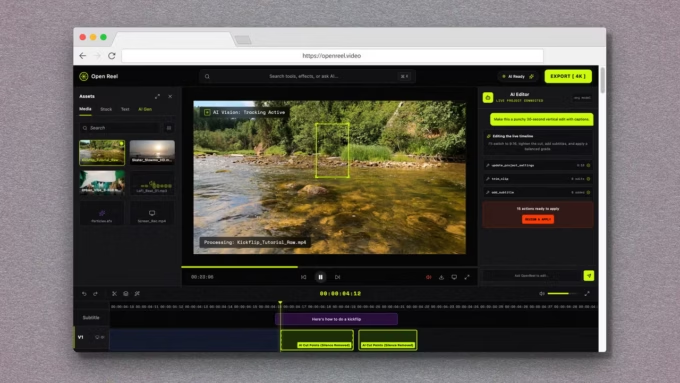
Revolutionizing Video Editing: The Rise of OpenReel
Explore how OpenReel is transforming video editing with its browser-based platform, offering...
2 Mins read

Navigating the AI Frontier: Keeping Your Data Private in a Digital World
Explore innovative tools that safeguard your data while leveraging artificial intelligence, ensuring...
3 Mins read



Bombay High Court Criticizes Drug Regulatory Body for Cipla License Revocation
The Bombay High Court's rebuke of India's drug regulatory authority highlights critical...
1 Mins read
