
Russia Accuses Ukraine of Targeting Belarusian Children in Drone Strike
On June 18, 2026, Russia officially accused Ukraine of conducting a drone strike on a bus transporting Belarusian children, an incident that has heightened tensions between the nations involved in the ongoing conflict in Eastern Europe. The alleged attack reportedly occurred in the vicinity of the Belarusian border, where the bus was returning from a summer camp. According to Russian officials, the strike resulted in injuries to several children, sparking outrage and condemnation from the Kremlin.
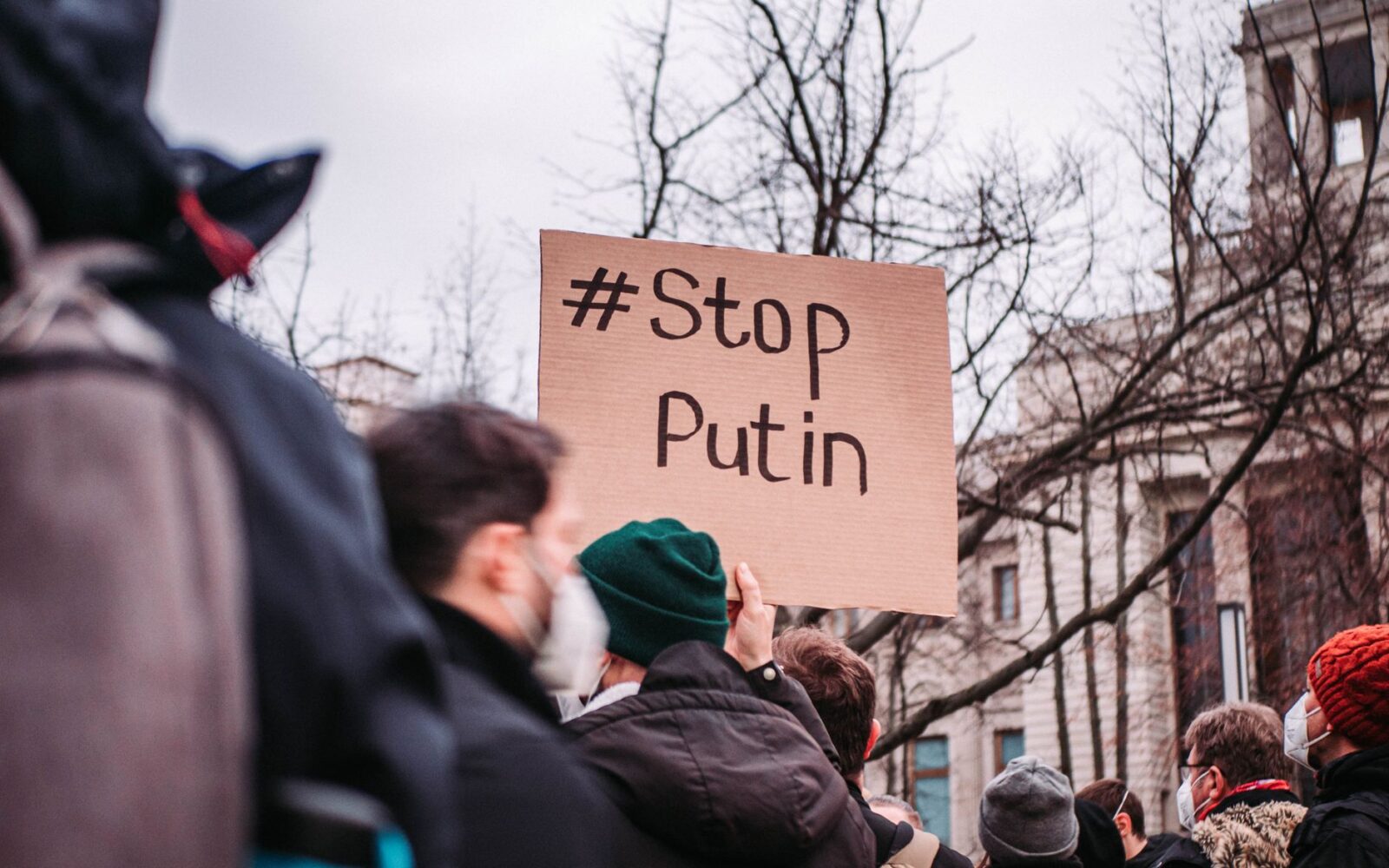
The incident has drawn immediate international attention, as it involves not only Ukraine and Russia but also Belarus, a key ally of Moscow. Russian President Vladimir Putin described the strike as a “barbaric act” and vowed to hold Ukraine accountable for what he termed an attack on innocent civilians. This accusation is significant as it comes at a time when diplomatic efforts to stabilize the region are already under severe strain, with ongoing military engagements and a lack of meaningful negotiations.
This event underscores the fragility of peace in Eastern Europe and raises critical questions about the safety of civilians in conflict zones. The implications of this accusation extend beyond the immediate humanitarian concerns, as it could provoke a more aggressive military response from Russia, potentially involving Belarusian forces. Furthermore, it complicates the already challenging diplomatic landscape, where Western nations have been urging both sides to de-escalate tensions.
Looking ahead, the international community will be closely monitoring the situation. Should Russia decide to escalate its military response, it could lead to a significant increase in hostilities, further destabilizing the region and drawing in NATO allies. Conversely, if diplomatic channels remain open and a thorough investigation into the incident takes place, there may still be an opportunity to mitigate the fallout from this alarming accusation.
Source: econotimes.com










Israel and Hezbollah Ceasefire Agreement Amid US-Iran Tensions
The recent ceasefire between Israel and Hezbollah reflects shifting dynamics in Middle...
 1 Mins read

Oxfam’s Bushra Khalidi Addresses UN Security Council on Gaza Situation
Khalidi's address underscores urgent humanitarian needs in Gaza, highlighting global implications of...
1 Mins read
Pakistan Urges UN Security Council to Address Gaza Crisis
Pakistan calls for urgent international action as Gaza faces escalating humanitarian challenges,...
1 Mins read



Israeli Airstrikes in Southern Lebanon Result in Five Fatalities Amid Ceasefire Tensions
The recent escalation in Israel-Lebanon tensions threatens stability in the region and...
1 Mins read
Leave a comment