
Saudi Arabia Resumes Operations of East-West Oil Pipeline, Impacting Global Oil Markets
RIYADH — September 22, 2026
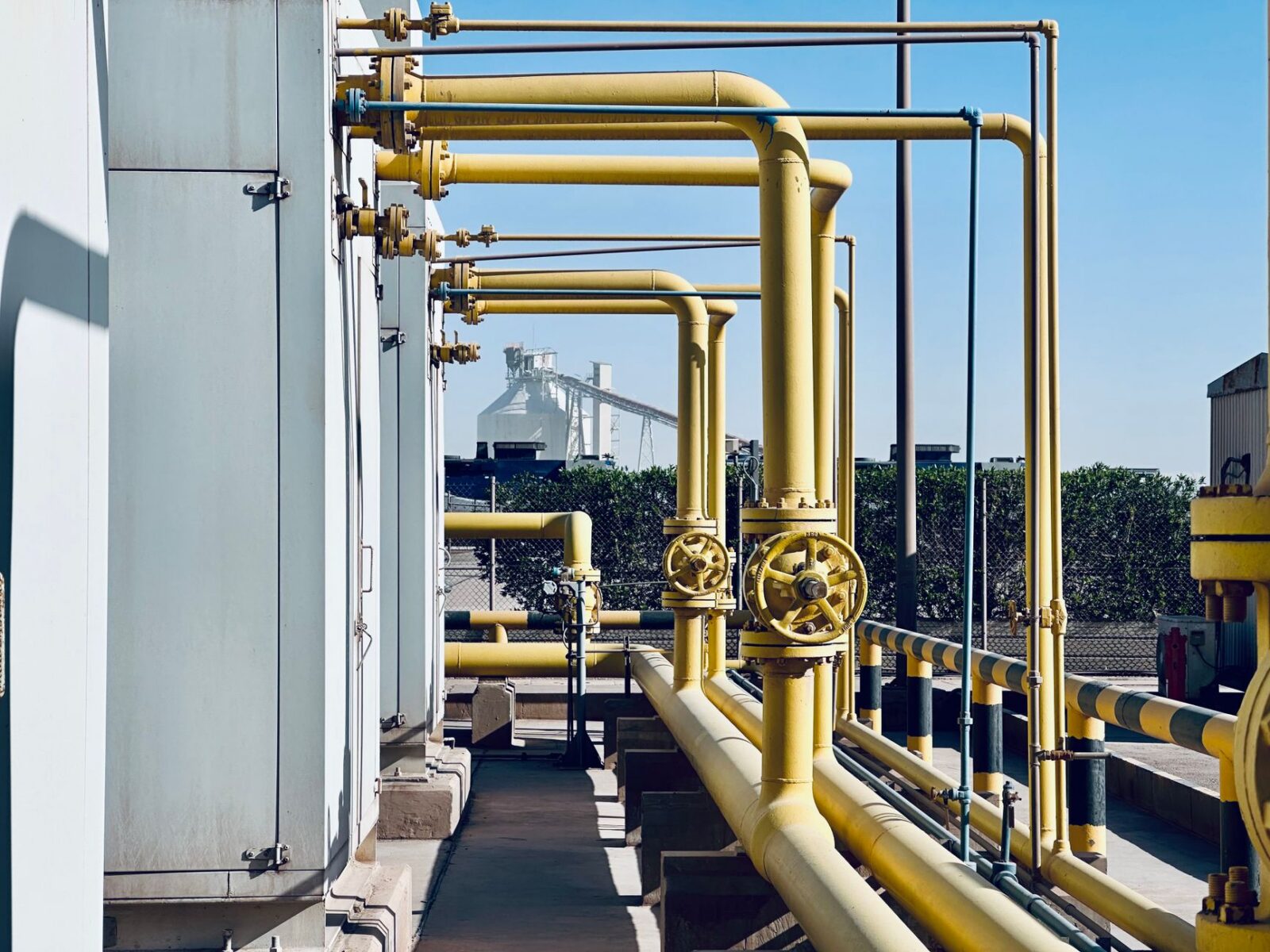
Saudi Arabia has officially restarted operations of its East-West oil pipeline, a significant development that is poised to influence global oil markets and crude export dynamics. This resumption follows a series of tests conducted on the pipeline, confirming its operational readiness.
The East-West pipeline, which runs approximately 1,200 kilometers from the Eastern Province of Saudi Arabia to the Red Sea, is a critical infrastructure component for the Kingdom’s oil export strategy. It allows for the transportation of crude oil from the oil-rich eastern regions to international markets, bypassing the Strait of Hormuz, a vital chokepoint for global oil shipments.
The decision to resume operations comes at a time when global oil prices are under scrutiny, influenced by various geopolitical factors, including OPEC+ production cuts and fluctuating demand from major economies. The pipeline’s functionality is expected to enhance Saudi Arabia’s ability to meet its export commitments, particularly as it navigates the complexities of the global energy landscape.
Saudi Aramco, the state-owned oil giant, is directly involved in this development, as it manages the pipeline and oversees crude oil production and exports. The company has not disclosed specific figures regarding the volume of oil expected to flow through the pipeline post-resumption, but analysts anticipate a significant increase in exports, which could stabilize or even lower current oil prices.
The trigger for this operational restart appears to be a combination of routine maintenance and strategic planning by the Saudi government to bolster its oil export capabilities. The Kingdom has been under pressure to maintain its market share amid rising competition from other oil-producing nations and the ongoing transition to renewable energy sources.
This story is receiving heightened attention now due to the ongoing volatility in the oil market, exacerbated by geopolitical tensions and economic uncertainties. The resumption of the East-West pipeline is seen as a critical factor that could influence oil prices in the coming weeks, particularly as the world grapples with energy security issues.
Locally, this development reinforces Saudi Arabia’s position as a leading oil exporter, while nationally, it aligns with the Kingdom’s Vision 2030 initiative aimed at diversifying its economy away from oil dependency. Regionally, the pipeline’s operation could shift the balance of oil exports in the Middle East, impacting neighboring countries reliant on oil revenues.
Looking ahead, analysts will closely monitor the volume of crude oil transported through the East-West pipeline and its effect on global oil prices. Additionally, any geopolitical developments in the region could further influence Saudi Arabia’s export strategies and the overall stability of the oil market.
Source: Bloomberg.com









Nasdaq Hits Intraday Record High as Tech Stocks Regain Footing
The Nasdaq Composite reached an intraday record high on September 22, 2026,...
 1 Mins read
The Art of Customer Obsession: Lessons from Jeff Bezos
Discover how Jeff Bezos's mantra of 'customer obsession' shaped Amazon's success and...
2 Mins read

Embracing the Shift: The Fall Equinox and Its Significance in Miami’s Business Landscape
Explore the implications of the Fall Equinox on seasonal changes and its...
2 Mins read


Oil Prices Plummet Amid Hopes for Pipeline Reopening and Iran Diplomacy
The recent drop in oil prices signals significant shifts in the global...
2 Mins read

Leave a comment