
Serbian President Resigns, Setting Stage for Early Elections
BELGRADE — September 27, 2026
In a significant political development, Serbian President Aleksandar Vučić announced his resignation on September 27, 2026, a move that is expected to pave the way for early elections in the country. This decision comes amid mounting pressure from various political factions and public dissent regarding his administration’s handling of economic and social issues.
Vučić, who has been in power since 2012, cited the need for a fresh start for Serbia as the primary reason for his resignation. His administration has faced increasing criticism over allegations of corruption, media suppression, and economic mismanagement, which have fueled widespread protests in recent months. The resignation is seen as a response to the growing unrest and a strategic maneuver to stabilize the political landscape.
The announcement was made during a press conference in Belgrade, where Vučić stated, “It is time for new leadership to guide Serbia towards a better future. I believe that my resignation will open the door for a new chapter in our political history.” This statement reflects a significant shift in the political dynamics of Serbia, as Vučić has been a dominant figure in Serbian politics for over a decade.
The resignation is expected to trigger a series of political maneuvers, including the potential for early elections, which could be held within the next few months. The Serbian National Assembly will need to convene to discuss the timeline for these elections, and various political parties are already positioning themselves for the upcoming electoral battle.
Key players in this evolving situation include the opposition parties, which have been gaining momentum in recent months, capitalizing on public dissatisfaction with Vučić’s government. The Democratic Party and other opposition factions are likely to rally support for a unified front in the upcoming elections, aiming to capitalize on the political vacuum created by Vučić’s departure.
This development matters not only for Serbia but also for the broader Balkan region. Vučić’s presidency has been marked by a delicate balance of relations with both the European Union and Russia, and his resignation could lead to shifts in foreign policy that may impact regional stability. Analysts are closely monitoring how this political transition will affect Serbia’s EU accession talks and its relationships with neighboring countries.
Looking ahead, the immediate next steps will involve the Serbian National Assembly’s response to Vučić’s resignation and the establishment of a timeline for early elections. Political analysts suggest that the coming weeks will be critical as parties prepare their platforms and candidates. The potential for a more competitive political environment could reshape Serbia’s governance and its approach to pressing national issues.
Source: bbc.co.uk







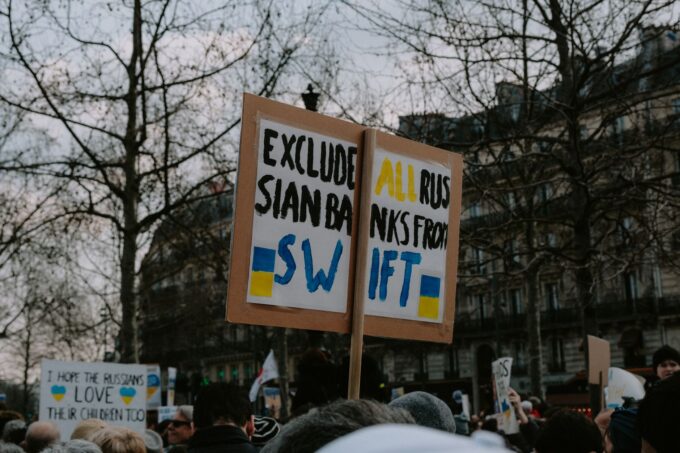
U.S. Imposes Sanctions on Russian Firm A7 Amid Geopolitical Tensions
The U.S. government has sanctioned the Russian firm A7, marking a significant...
 2 Mins read

Trump Issues Stark Warning to Iran Amid Increased U.S. Military Presence in the Middle East
The U.S. ramps up military deployment in the Middle East as Trump...
2 Mins read

Trump Warns Iran of Severe Retaliation Following FlyDubai Incident
Former President Donald Trump has issued a stark warning to Iran regarding...
1 Mins read
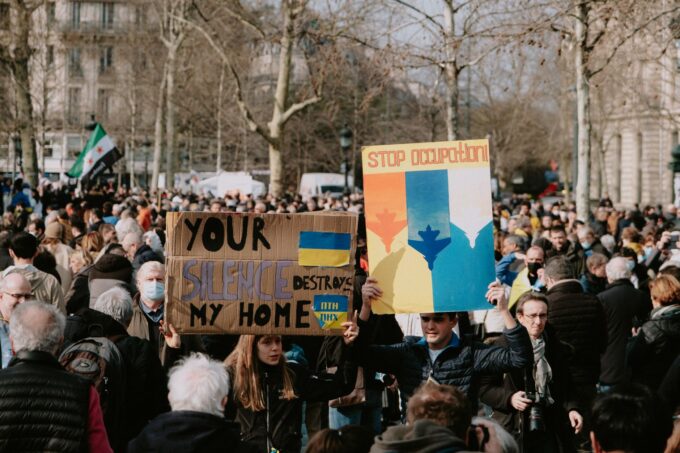


Escalating Protests in France Over High School Conditions
Violent protests erupted across France on October 3, 2026, as students and...
1 Mins read

Leave a comment