
Zach Bryan Makes Political Statement at Gillette Stadium with ‘Free Palestine’ Shirt
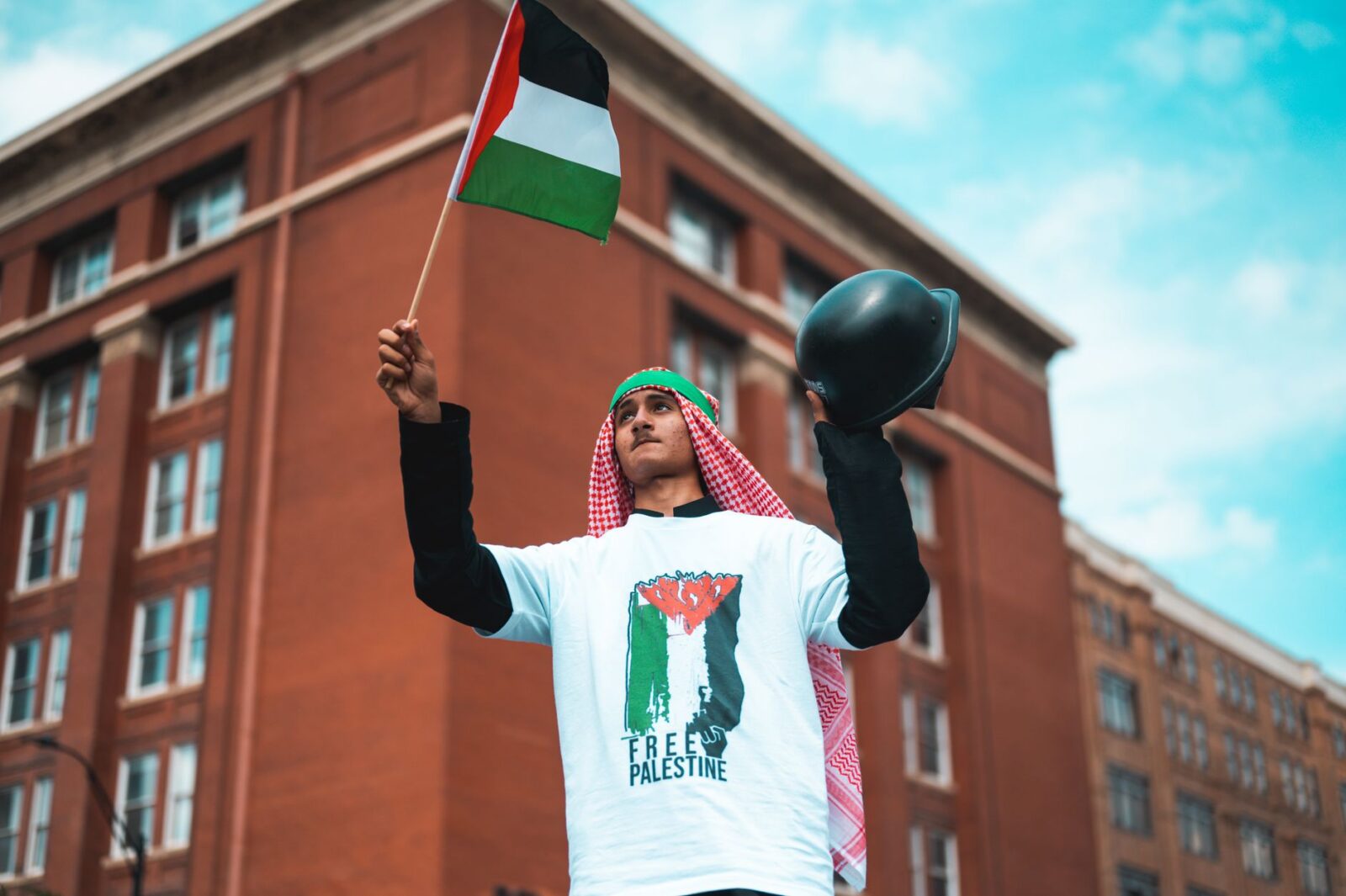
FOXBOROUGH, MA — October 3, 2026
In a bold move that has captured national attention, singer-songwriter Zach Bryan wore a “Free Palestine” shirt during his performance at Gillette Stadium on October 2, 2026. This act comes in the wake of a controversial decision by the stadium’s owner, Robert Kraft, to ban rapper Macklemore from performing at the venue due to his vocal support for Palestinian rights.
The incident has sparked significant cultural discourse, highlighting the intersection of music, politics, and public sentiment. Bryan’s choice of attire is seen as a direct response to Kraft’s actions, which many perceive as an attempt to suppress artistic expression related to political issues.
Robert Kraft, the billionaire owner of the New England Patriots, made headlines earlier this week when he announced that Macklemore would not be allowed to perform at Gillette Stadium. This decision was reportedly influenced by the rapper’s outspoken views on the Israeli-Palestinian conflict, which have resonated with a segment of the public advocating for Palestinian rights.
During his performance, Bryan’s shirt became a focal point, drawing cheers from fans who appreciated his willingness to engage in political discourse through his platform. The event took place in front of a sold-out crowd, amplifying the message of his attire. Bryan’s actions have been interpreted as a stand for artistic freedom and a challenge to corporate censorship in the entertainment industry.
This development is particularly significant given the current geopolitical climate, where discussions surrounding the Israeli-Palestinian conflict have intensified. The choice of a high-profile artist like Zach Bryan to make such a statement at a major venue underscores the growing trend of musicians using their platforms to address social and political issues.
As the conversation continues to unfold, the implications of Bryan’s actions may extend beyond the music industry. They raise questions about the role of corporate entities in shaping public discourse and the responsibilities of artists in addressing contentious issues. The backlash against Kraft’s decision to ban Macklemore may also lead to increased scrutiny of how venues manage political expression.
Looking ahead, it remains to be seen how this incident will influence future performances at Gillette Stadium and whether other artists will follow Bryan’s lead in using their platforms for political expression. The ongoing dialogue surrounding artistic freedom and corporate influence in the entertainment sector is likely to remain a hot topic in the coming weeks.
Source: Rolling Stone





Star-Studded ‘Verity’ Opens in Theaters, Featuring Anne Hathaway and Dakota Johnson
The highly anticipated film 'Verity' officially premiered in theaters on October 3,...
 1 Mins read
The Walking Dead Introduces Shocking Plot Twist, Leaving Fans in Awe
A significant narrative shift in The Walking Dead has left viewers stunned,...
2 Mins read
Disney Licenses Major Titles to Netflix, Signaling Shift in Streaming Landscape
Disney's recent licensing agreement with Netflix includes popular titles like 'Ice Age'...
1 Mins read



Colleen Hoover’s ‘Verity’ Film Adaptation Hits Theaters with Strong Box Office Results
The film adaptation of Colleen Hoover's bestselling novel 'Verity' has been released,...
1 Mins read

Leave a comment