
Spain’s Parliament Rejects Housing Measures Amid Growing Public Discontent
MADRID — October 2, 2026
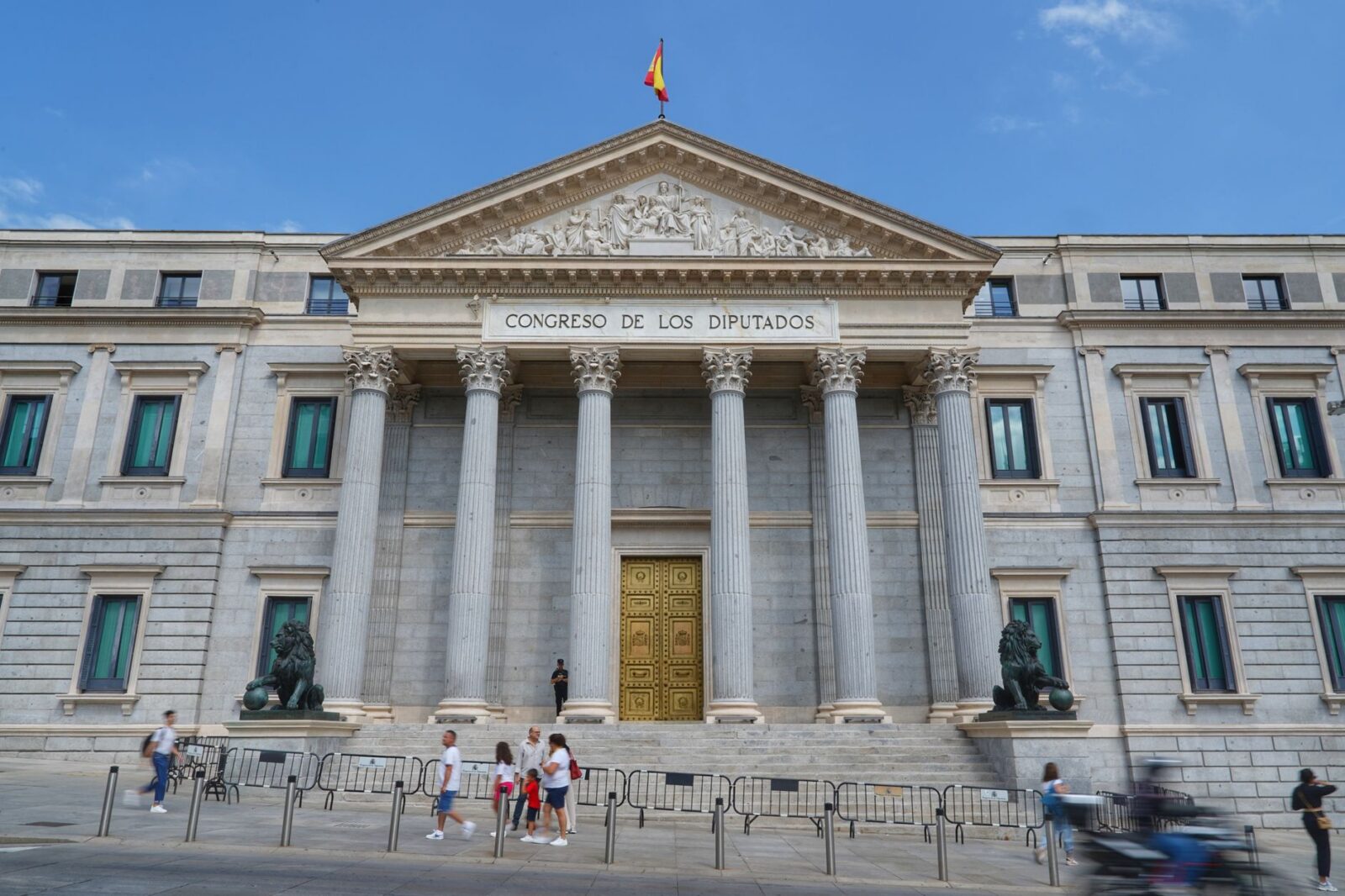
Spain’s parliament has officially rejected a series of proposed housing measures aimed at addressing the ongoing housing crisis, a decision that has ignited widespread protests and heightened political tensions across the nation. The vote took place on October 2, 2026, in the Spanish Congress of Deputies, where lawmakers voted against the decree intended to regulate rental prices and increase the availability of affordable housing.
The proposed measures were part of a broader strategy by the Spanish government, led by Prime Minister Pedro Sánchez of the Spanish Socialist Workers’ Party (PSOE), to tackle the escalating housing crisis that has left many citizens struggling to find affordable living options. The rejection of these measures comes at a time when public dissatisfaction with the government’s handling of housing issues is at an all-time high, with many citizens expressing frustration over rising rents and stagnant wages.
The immediate trigger for the parliamentary rejection appears to be a coalition of opposition parties, including the conservative Popular Party (PP) and the far-right Vox party, who argued that the measures would hinder economic growth and discourage investment in the housing sector. This political maneuvering has not only stalled potential reforms but has also led to speculation about the stability of Sánchez’s government as it faces increasing pressure from both the opposition and the public.
In the wake of the vote, protests erupted in major cities, including Madrid and Barcelona, where demonstrators gathered to voice their anger over the lack of effective housing policies. Activists have called for urgent action to address the housing crisis, which they argue is exacerbated by speculative real estate practices and insufficient government intervention.
The significance of this development extends beyond immediate public discontent. The rejection of the housing measures could have long-term implications for Spain’s housing market stability and social cohesion. Analysts warn that without effective regulation, the housing market may continue to spiral out of reach for many citizens, potentially leading to increased social unrest and further political polarization.
Looking ahead, the Sánchez government may need to reassess its strategy and engage in dialogue with opposition parties to find a viable path forward. The potential for new proposals or amendments to existing legislation could emerge in the coming weeks, especially as public pressure mounts. Additionally, the political landscape may shift as parties reassess their positions ahead of future elections, making housing a pivotal issue in the national discourse.
Source: Reuters









Massive Protests Erupt in Spain Following Eviction of 87-Year-Old Woman
Tens of thousands of demonstrators took to the streets across Spain today...
 2 Mins read

Massive Protests Erupt in Spain Over Housing Crisis Following Eviction of Elderly Woman
Over 70,000 people took to the streets across Spain today to protest...
2 Mins read

Protests Erupt in Spain Over Escalating Housing Crisis
Massive protests across Spain highlight public discontent with the ongoing housing crisis,...
2 Mins read



Mass Protests Erupt in Spain Over Housing Crisis Following Elderly Woman’s Eviction
Tens of thousands took to the streets across Spain to protest the...
2 Mins read

Leave a comment