
Sperm Whale Sinks Yacht in South Pacific, Stranding Four Sailors for 18 Hours
MIAMI — October 1, 2026
In a remarkable incident that underscores the unpredictable nature of maritime adventures, a sperm whale sank a 51-foot yacht in the South Pacific, leaving four sailors stranded for 18 hours before their rescue. The event occurred on October 1, 2026, as the yacht was navigating through waters known for their rich marine biodiversity.
The sailors, whose identities have not been disclosed, reported that they felt a significant impact before the vessel began to take on water. According to their accounts, they initially believed they had collided with an underwater object, but it soon became clear that a sperm whale had breached the surface and struck their yacht.
The incident highlights the potential dangers of maritime travel in areas frequented by large marine mammals. Sperm whales, known for their size and strength, can pose significant risks to smaller vessels. This particular encounter raises questions about maritime safety protocols and the need for increased awareness among sailors navigating these waters.
The sailors were ultimately rescued by a passing vessel after they activated their emergency beacon. They had been stranded in the open ocean for nearly a full day, enduring challenging conditions before being located. Fortunately, all four individuals were reported to be in stable condition following their ordeal.
This incident is receiving heightened attention not only due to its dramatic nature but also because it serves as a stark reminder of the interactions between humans and wildlife in marine environments. As tourism and recreational boating continue to grow in popularity, the potential for similar encounters increases, prompting discussions about wildlife conservation and maritime regulations.
Locally, the event has sparked conversations among boating communities about safety measures and the importance of being vigilant in areas known for marine life. Nationally, it raises broader questions about the balance between recreational activities and the preservation of natural habitats.
Looking ahead, it is likely that maritime authorities will review safety protocols and possibly implement new guidelines aimed at minimizing risks associated with wildlife encounters. Additionally, there may be increased advocacy for educational programs that inform sailors about the presence of marine mammals and the best practices for navigating these waters safely.
As the story develops, it will be crucial to monitor any official statements from maritime safety organizations and wildlife conservation groups regarding the implications of this incident for future maritime operations.
Source: Clarin.com



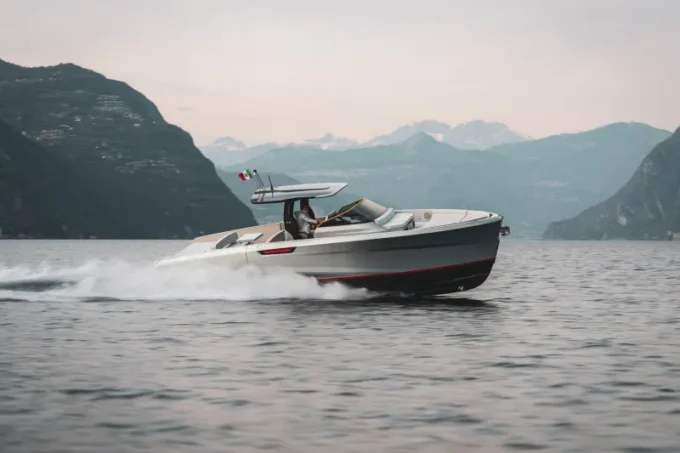


The Bellini Astor 38: Where Automotive Excellence Meets Nautical Luxury
Discover the Bellini Astor 38, a 38-foot sport yacht that combines Italian...
 2 Mins read

Sperm Whale Sinks Yacht in South Pacific, Prompting Military Rescue Mission
A sperm whale sank a 51-foot yacht, leaving four sailors stranded for...
1 Mins read
Military Rescue Mission Launched After Yacht Sinks Due to Whale Collision
A military rescue operation was initiated after a yacht sank in the...
1 Mins read
Whale Sinks Yacht in South Pacific, Prompting Military Rescue Mission
A whale sinking a yacht in the South Pacific raises significant public...
2 Mins read
Leave a comment