
Whale Sinks Yacht in South Pacific, Prompting Military Rescue Mission
SUVA, FIJI — October 1, 2026
In a remarkable incident that underscores the unpredictable nature of maritime wildlife interactions, a yacht was sunk by a whale in the South Pacific Ocean, prompting a military rescue mission to assist the stranded crew. The event occurred on October 1, 2026, approximately 150 nautical miles off the coast of Fiji.
The yacht, identified as the Ocean Voyager, was reportedly sailing with a crew of four when the collision occurred. Eyewitness accounts suggest that the vessel was struck by a large whale, leading to immediate flooding and the eventual sinking of the yacht. Fortunately, all crew members were able to abandon ship and activate their emergency distress signal.
The Fiji Navy responded swiftly to the distress call, deploying a rescue vessel to the site of the incident. According to a statement from the Fiji Ministry of Defense, the rescue operation was launched at approximately 2:00 PM local time, with the Navy successfully retrieving the crew members within an hour of the distress signal being sent. All crew members were reported safe and unharmed.
This incident has raised significant public safety concerns regarding maritime activities in regions where human and wildlife interactions are prevalent. The South Pacific is known for its diverse marine life, including various whale species, which can pose risks to vessels, particularly smaller yachts. The collision highlights the need for increased awareness and safety measures for maritime navigation in these waters.
As the story gains traction, it is drawing attention not only for its dramatic nature but also for the implications it holds for maritime safety regulations. The incident has sparked discussions among marine biologists and safety experts about the need for better guidelines to protect both human activities and marine wildlife. The potential for similar incidents raises questions about the adequacy of current maritime safety protocols.
Looking ahead, maritime authorities may consider implementing stricter regulations regarding navigation in areas known for high whale activity. Additionally, there may be calls for enhanced training for yacht crews on how to respond to wildlife encounters at sea. The incident could also lead to further research into whale migration patterns and their interactions with vessels.
In summary, the sinking of the Ocean Voyager by a whale serves as a stark reminder of the unpredictable nature of the ocean and the importance of safety in maritime operations. As investigations continue, stakeholders in the maritime industry will likely be closely monitoring the outcomes of this incident and its implications for future regulations.
Source: AOL.com






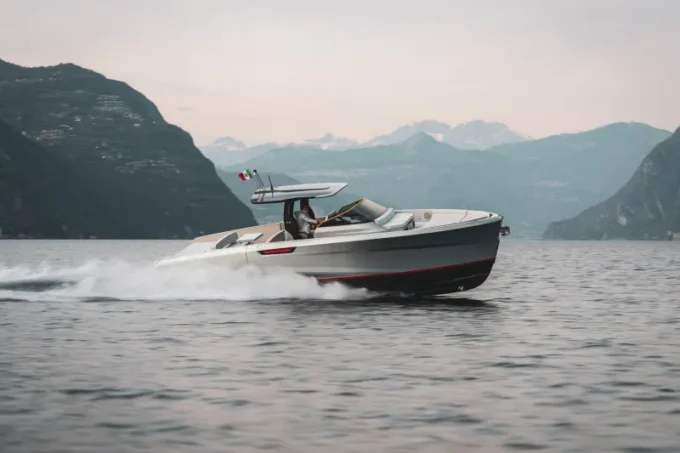


The Bellini Astor 38: Where Automotive Excellence Meets Nautical Luxury
Discover the Bellini Astor 38, a 38-foot sport yacht that combines Italian...
 2 Mins read

Sperm Whale Sinks Yacht in South Pacific, Prompting Military Rescue Mission
A sperm whale sank a 51-foot yacht, leaving four sailors stranded for...
1 Mins read
Military Rescue Mission Launched After Yacht Sinks Due to Whale Collision
A military rescue operation was initiated after a yacht sank in the...
1 Mins read
A Glimpse into Luxury: The Odyssey 108 Unveiled
Discover the exquisite Odyssey 108 from Princess Yachts, a tri-deck marvel set...
 ABL2 Mins read
Leave a comment