
Suicide Bomber Targets Anti-Militant Rally in Northwestern Pakistan, Claims 14 Lives

On August 2, 2026, a suicide bomber detonated explosives at an anti-militant rally in northwestern Pakistan, resulting in the tragic deaths of at least 14 individuals and injuring numerous others. The rally, held in the town of Khar in the Bajaur District, was organized by local leaders advocating for a united front against militant groups operating in the region. The attack occurred during a time of heightened tensions as Pakistan grapples with the resurgence of militant violence.
The incident highlights the ongoing struggle between the Pakistani government and various militant factions, particularly those affiliated with the Tehrik-i-Taliban Pakistan (TTP). Local authorities confirmed that the bomber targeted a gathering of community members and political figures who had come together to denounce extremism and promote peace. This attack not only signifies a direct assault on those advocating for stability but also poses a challenge to the effectiveness of Pakistan’s counterterrorism strategies.
This development is critical not only for Pakistan but also for broader regional security dynamics. The resurgence of violence in areas like Bajaur threatens to destabilize an already fragile situation, potentially prompting a stronger military response from the Pakistani government. It raises questions about the efficacy of the National Action Plan, a coordinated effort established to combat terrorism. Furthermore, the attack may affect international perceptions of Pakistan’s ability to manage security and governance, thereby impacting foreign investment and diplomatic relations.
In the wake of this attack, it is plausible that the Pakistani government will intensify military operations against militant strongholds, particularly in the Federally Administered Tribal Areas (FATA). There may also be increased calls for political unity among various factions to address the underlying issues of extremism. However, the challenge remains significant, as the government must balance security measures with civil liberties and the need for democratic governance.
Source: Audacy










FBI Investigates Trump for Potential Russian Asset Links Following Comey Dismissal
The FBI's secret investigation into Trump's potential ties to Russia raises critical...
 1 Mins read

FBI’s Secret Investigation into Trump as Potential Russian Asset Uncovered in Declassified Memos
The revelation of the FBI's investigation into Trump as a potential Russian...
1 Mins read

New Intelligence Reveals Allegations of FBI Misconduct in Trump Investigation
Recent intelligence suggests potential misconduct by the FBI in the investigation of...
1 Mins read
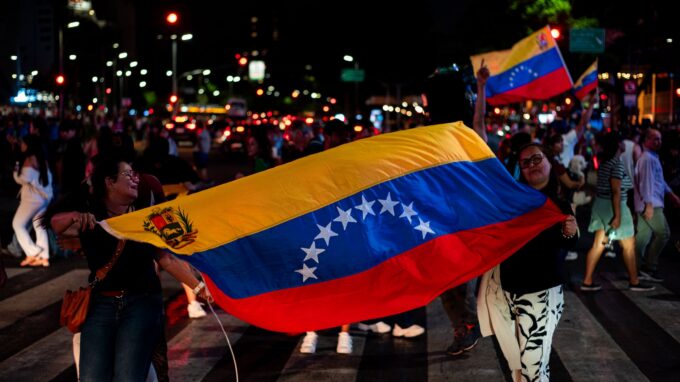


Venezuela Faces New Political Challenges Amid Economic Turmoil on August 6, 2026
Venezuela's political landscape shifts dramatically as economic pressures intensify, affecting governance and...
1 Mins read

Leave a comment