
Super El Niño Could Lead to 451,000 Excess Deaths, New Research Warns

MIAMI — September 23, 2026
A new study released today has raised alarm bells regarding the potential impact of the upcoming Super El Niño, predicting that it could lead to an estimated 451,000 excess deaths worldwide. This projection underscores significant public health concerns as the phenomenon is expected to exacerbate existing vulnerabilities across various regions.
The research, published by a team of climatologists and public health experts, highlights the severe implications of Super El Niño, which is characterized by unusually warm ocean temperatures in the central and eastern Pacific. This climatic event is anticipated to have widespread effects, including increased heatwaves, altered rainfall patterns, and heightened risks of infectious diseases.
The study emphasizes that the predicted excess deaths are primarily linked to the increased incidence of heat-related illnesses, respiratory diseases, and vector-borne diseases such as malaria and dengue fever. Vulnerable populations, particularly in low-income countries, are expected to bear the brunt of these health impacts due to limited access to healthcare and inadequate infrastructure.
The findings come at a critical time as global leaders and health organizations are grappling with the ongoing effects of climate change and its implications for public health. The World Health Organization (WHO) has previously warned that climate change could lead to an additional 250,000 deaths annually between 2030 and 2050, primarily due to malnutrition, malaria, diarrhea, and heat stress.
As of today, September 23, 2026, the research has gained significant media attention, reflecting growing public concern over climate-related health risks. The study’s authors are calling for immediate action from governments and health organizations to prepare for the anticipated health crises associated with Super El Niño.
In terms of specific interests at stake, the findings could influence global health policy and funding allocations, particularly in regions expected to be most affected. Countries in Southeast Asia, Africa, and parts of South America are likely to face the highest risks, prompting calls for enhanced surveillance and intervention strategies.
The urgency of this situation cannot be overstated. With the potential for widespread health impacts, the international community must prioritize climate adaptation strategies and invest in public health infrastructure to mitigate the anticipated consequences of Super El Niño.
Looking ahead, it is crucial for governments and health organizations to collaborate on developing comprehensive response plans. This includes increasing public awareness, enhancing healthcare access, and implementing preventive measures to safeguard vulnerable populations. As the world braces for the effects of Super El Niño, the focus will need to be on proactive strategies to avert the predicted health crisis.
Source: Reuters






Dolly Parton’s Estate Files Restraining Order Against Nephew Amid Legal Dispute
The estate of Dolly Parton has initiated legal action against her nephew,...
 1 Mins read
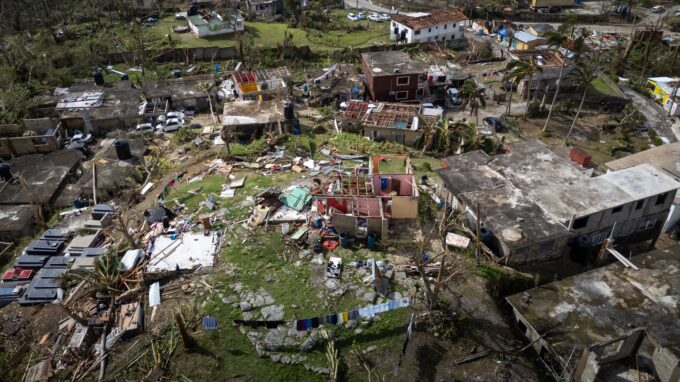
Hurricane Polo Reaches Category 5 Intensity, Prompting Urgent Safety Measures in Mexico
Hurricane Polo has intensified to a Category 5 storm, leading to the...
1 Mins read
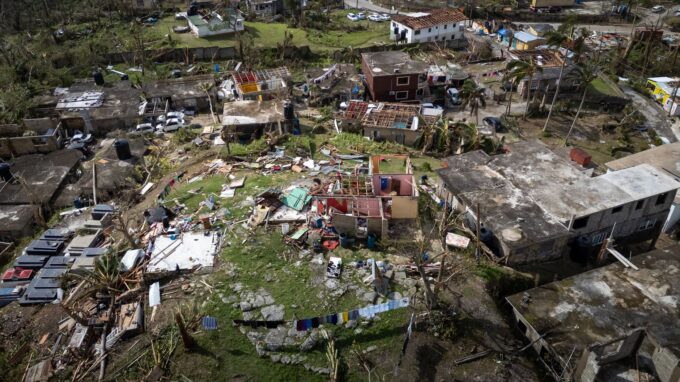
Hurricane Polo Intensifies to Category 5, Prompting Emergency Declarations in California
Hurricane Polo's rapid intensification raises significant public safety concerns as California prepares...
1 Mins read


Hurricane Polo Reaches Category 5 Status, Threatening Coastal Regions
Hurricane Polo has been confirmed as a Category 5 storm, raising significant...
1 Mins read

Leave a comment