
Supreme Court Advances Marital Rape Hearing as Government Prepares to Respond
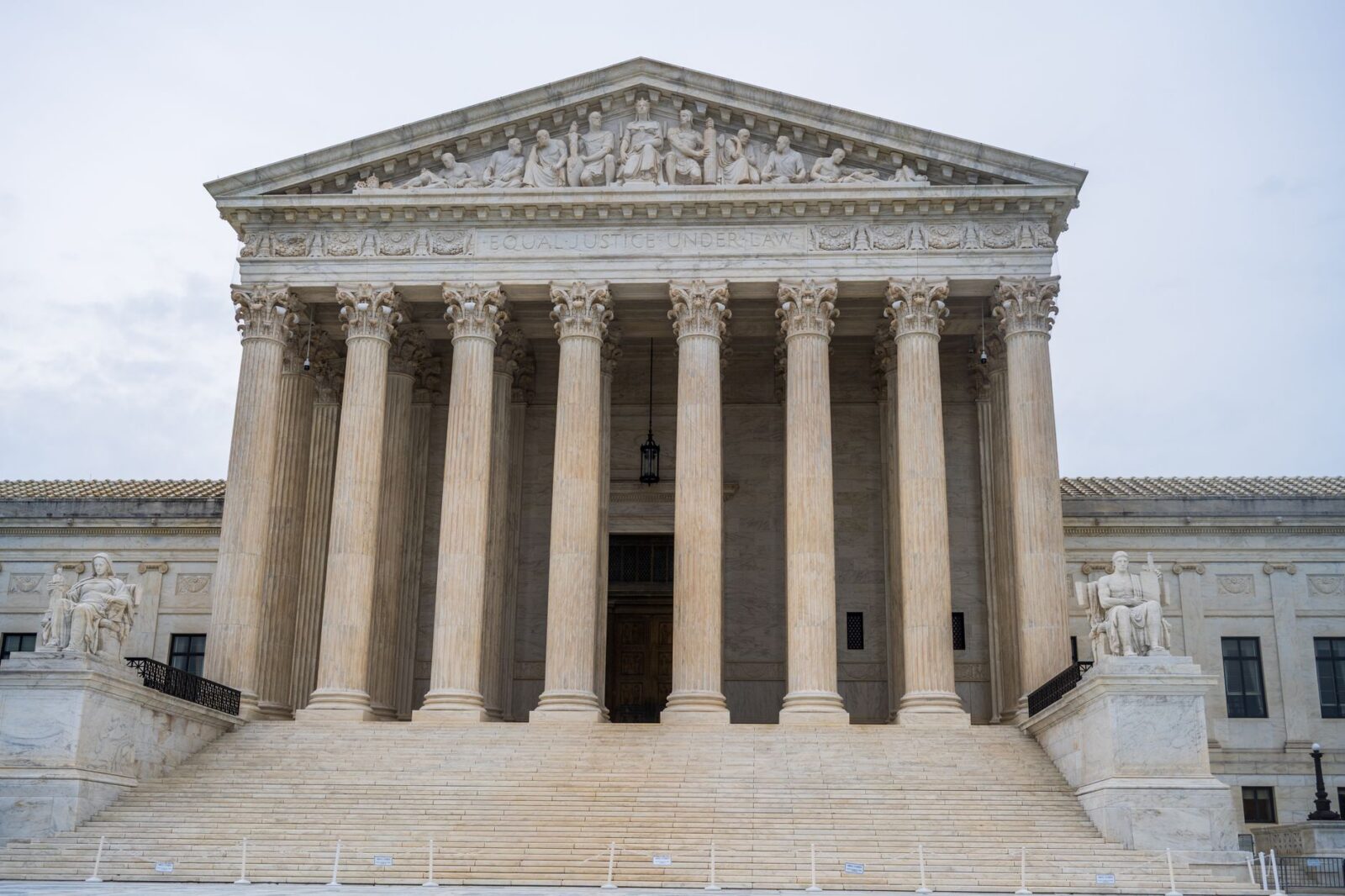
On September 7, 2026, the Supreme Court of India announced its refusal to postpone the much-anticipated hearing regarding the criminalization of marital rape. This decision comes as the central government is set to present its official stance on the matter tomorrow, marking a pivotal moment in the ongoing debate over women’s rights and legal protections in India.
The hearing, which has garnered significant attention, involves key stakeholders including women’s rights activists, legal experts, and government officials. The Supreme Court’s insistence on moving forward with the case reflects the urgency surrounding the issue, particularly given the growing calls from various sectors of society for the recognition of marital rape as a criminal offense. This case follows years of advocacy, with various groups arguing that the current legal framework fails to protect women adequately within marriage.
The significance of this hearing is profound, as it not only addresses the legal definition of consent within marriage but also highlights broader societal attitudes towards women’s autonomy and rights. The current legal position, which does not recognize marital rape as a crime, has been criticized for perpetuating gender inequality and violence against women. As discussions intensify, the government’s forthcoming position is expected to play a crucial role in shaping future legal interpretations and policies.
Looking ahead, the Supreme Court’s proceedings may set a precedent for legislative changes and judicial interpretations concerning marital rights and gender-based violence. Observers anticipate that the government’s response will either bolster or hinder the momentum for reform. The court’s next steps could lead to significant changes in the legal landscape regarding women’s rights in India, making this a critical juncture for advocates and policymakers alike.
Source: The Economic Times









Anti-Immigrant Sentiment Drives MAGA and AfD Unity Amid Rising Extremism
The convergence of MAGA and AfD ideologies underscores a global rise in...
 1 Mins read

ICE Conducts Significant Operation in Virginia Targeting Immigration Violations
This operation underscores ongoing national efforts to enforce immigration laws and its...
1 Mins read

Reflecting on 25 Years Since 9/11: A Transformative Era for U.S. Homeland Security
The legacy of 9/11 continues to shape global security policies and civil...
1 Mins read



UN Rights Chief Warns of ‘Existential’ Threat Posed by AI
The UN's warning highlights urgent global concerns over AI's potential risks to...
1 Mins read

Leave a comment