
TGI Fridays: A Strategic Rebirth Amidst Store Closures
The Casual Dining Landscape: A Shift in the Paradigm
The casual dining sector has been experiencing a significant transformation, shaped by changing consumer preferences and economic pressures. Among the brands navigating this complex landscape is TGI Fridays, a name that has long been synonymous with American dining culture. Despite a rocky road marked by a recent bankruptcy, TGI Fridays is strategically repositioning itself to regain its footing, showing that even well-established brands must evolve to thrive.
The Bankruptcy Aftermath: A Closer Look
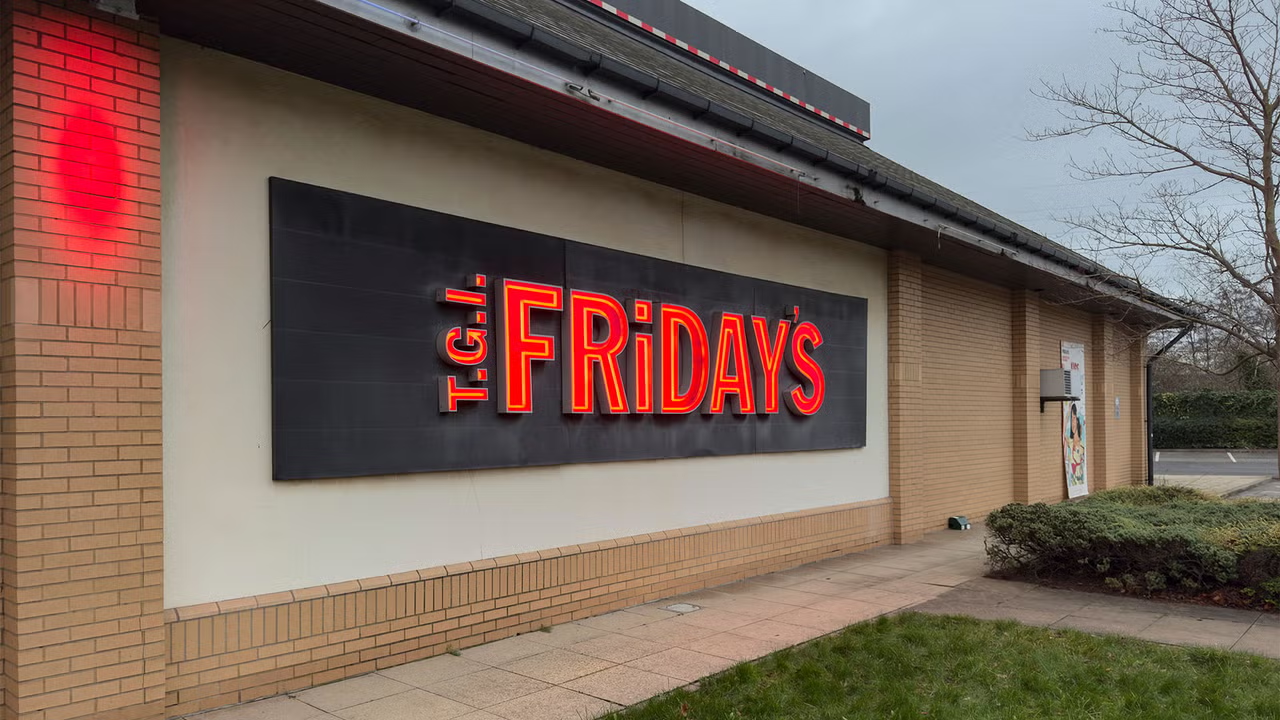
In late 2024, TGI Fridays Inc. sought Chapter 11 bankruptcy protection, a bold move that raised eyebrows across the industry. The casual dining chain announced plans to shutter numerous underperforming locations, leading to a staggering net loss of nearly 200 restaurants as of early 2024. States like New York, New Jersey, and Florida recorded double-digit losses, reflecting a broader trend of declining foot traffic and changing dining habits.
Leadership Changes and New Direction
In the wake of bankruptcy, TGI Fridays has found new ownership under Sugarloaf Hospitality. With Ray Blanchette returning as CEO, the brand is poised for a fresh start. Blanchette’s leadership is pivotal as he outlines ambitious plans for growth, targeting over 1,000 units and $2 billion in annual revenue by 2030. Such aspirations reveal a clear intent to not only recover but to expand the brand’s global footprint.
Reimagining the Brand: The 1-2-3 Strategic Vision
TGI Fridays has introduced its “1-2-3 Strategic Vision,” a comprehensive plan aimed at revitalizing the brand in a competitive market. This strategy emphasizes flexibility and innovation in restaurant formats, catering to diverse consumer needs. By exploring high-volume airport locations, tailored hotel concepts, and traditional dining experiences, TGI Fridays is redefining how it connects with guests.
Market Dynamics and the Future of Casual Dining
The shift in consumer behavior, particularly post-pandemic, has led to a reevaluation of dining preferences. Casual dining brands like TGI Fridays must navigate these changes thoughtfully, balancing nostalgia with modern expectations. As it stands, the brand’s decision to pivot toward international markets could open up untapped opportunities, potentially mitigating losses in the U.S. market.
Miami’s Role in the Casual Dining Renaissance
For Miami, a vibrant culinary hub, TGI Fridays’ evolution presents both challenges and opportunities. As the city welcomes diverse dining concepts, the demand for adaptable brands that resonate with both locals and tourists is paramount. TGI Fridays can leverage Miami’s multicultural landscape to reintroduce itself, perhaps by introducing unique menu items or immersive dining experiences that align with the city’s dynamic ethos.
A Forward-Looking Perspective
As TGI Fridays embarks on this new chapter, its journey serves as a case study in resilience and adaptability. The restaurant industry is notoriously fickle, yet those willing to innovate while honoring their heritage can emerge stronger. For TGI Fridays, the path ahead may be fraught with challenges, but its commitment to evolving in response to market dynamics positions it favorably for the future. As the brand assesses its operations and explores new avenues for growth, stakeholders will be watching closely to see how this iconic brand reinvents itself in the years to come.
Editorial note: This article was created by A Bit Lavish Miami’s Magazine as an original editorial reinterpretation based on publicly available reporting. Original source: fastcompany.com. Read the original article here: https://www.fastcompany.com/91582833/tgi-fridays-closing-stores-list-of-locations-that-lost-restaurants.
Images are used for editorial reference with source credit. If an image requires correction or removal, please contact A Bit Lavish.










Navigating the New Landscape of Home Affordability: A Deep Dive into Market Trends
Explore the evolving dynamics of home affordability in the U.S. housing market...
 2 Mins read

Rethinking Economic Narratives: The End of the K-Shaped Economy?
Treasury Secretary Scott Bessent declares the end of the K-shaped economy, but...
2 Mins read
Fantasy Baseball Trade Deadline Spurs Strategic Shifts in Bullpen Dynamics
The August 2026 trade deadline reshapes bullpen roles, impacting team strategies and...
1 Mins read



Jefry Yan Celebrations Mark a New Era in Major League Baseball
The global sports community recognizes Jefry Yan's achievements, highlighting the evolving landscape...
1 Mins read

Leave a comment