
The Balance of Touch and Tradition: Nissan’s Vision for Future Car Interiors
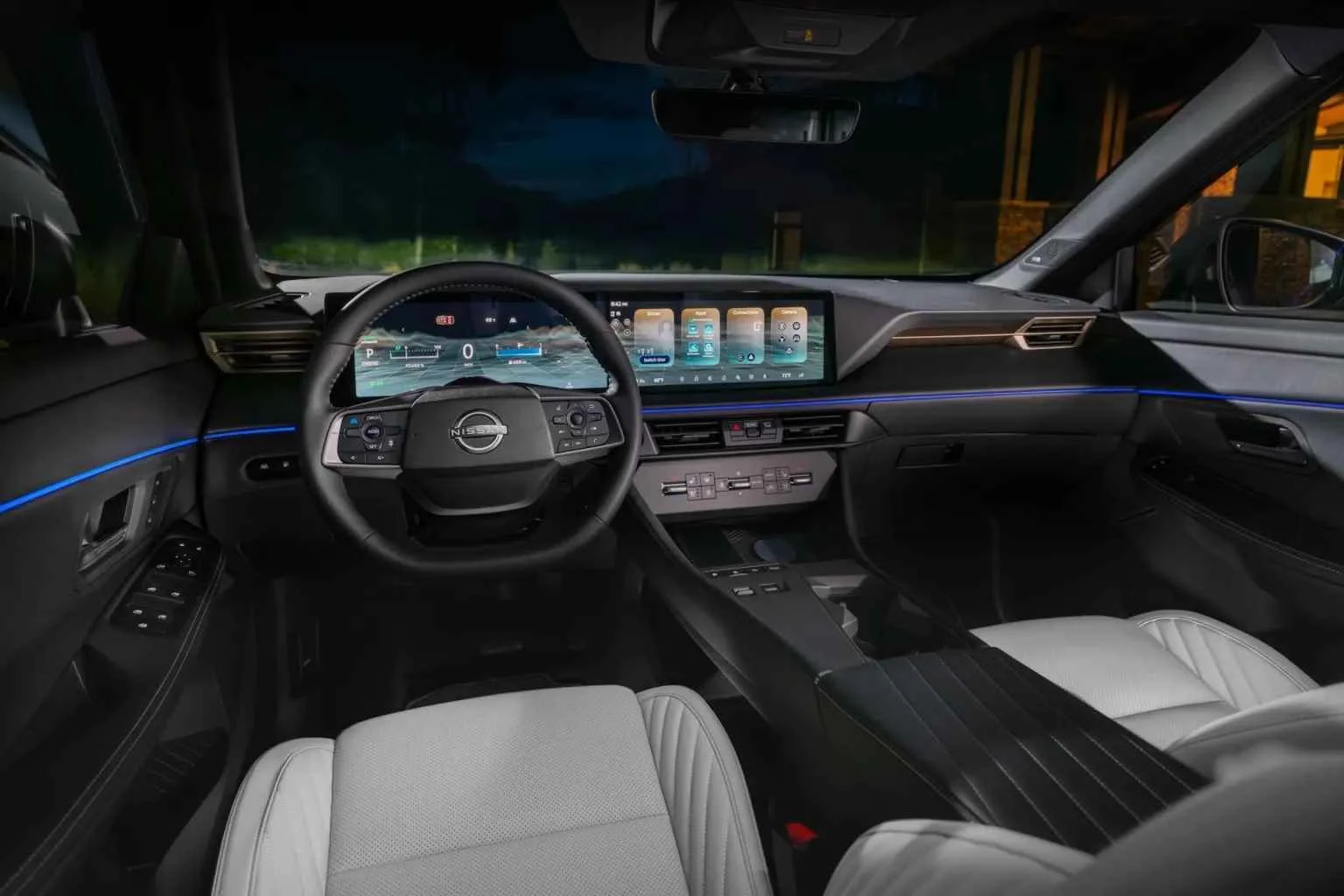
Touchscreens vs. Tactility: A Design Dilemma
In a world where automotive design increasingly leans towards sleek, minimalist aesthetics dominated by expansive touchscreens, Nissan stands at a unique crossroads. The Japanese automaker’s philosophy is clear: while digital interfaces provide a modern appeal, certain functionalities should remain rooted in the tangible familiarity of physical buttons and knobs. This conviction is championed by Ponz Pandikuthira, Senior Vice President and Chief Planning Officer for Nissan North America, who argues that the art of designing vehicle controls transcends mere styling.
The Emotional Connection of Physical Controls
The essence of driving extends beyond the performance metrics of speed and power; it lies in the emotional connection a driver has with their vehicle. For many enthusiasts, the tactile feedback of a well-placed knob or button evokes a sense of control and engagement that digital interfaces often fail to replicate. Nissan recognizes that the act of driving is not just about reaching a destination; it is a multifaceted experience that can be enriched by thoughtfully designed physical controls.
Engineering Meets Intuition
In Nissan’s perspective, the engineering behind car controls should prioritize user intuition and ease of access. Physical buttons, while seemingly old-fashioned to some, offer an immediate and instinctual way to interact with a vehicle’s systems. For high-performance cars, where every millisecond counts, the ability to adjust settings without diverting attention from the road can enhance safety and driving pleasure. This marriage of engineering excellence and user-friendly design is pivotal in creating vehicles that resonate with enthusiasts and casual drivers alike.
Crafting a Luxurious Experience
In the vibrant landscape of Miami, a city synonymous with luxury and innovation, the significance of a vehicle’s interior cannot be overstated. Here, where style and performance converge, Nissan’s commitment to maintaining physical controls aligns with the expectations of discerning drivers who value both functionality and aesthetic appeal. An interior that thoughtfully integrates physical elements can elevate the overall experience, making it a sanctuary of comfort and technological sophistication.
The Market’s Response: A Desire for Diversity
The automotive market is witnessing a growing divergence in consumer preferences. As electric vehicles rise in popularity, a segment of buyers remains nostalgic for the interactive nature of traditional controls. Nissan’s stance positions it not only as a leader in innovative technology but also as a brand that honors the past while embracing the future. This balance is essential in maintaining relevance in a competitive market where consumer choices are driven by both emotional attachment and cutting-edge advancements.
Looking Ahead: The Future of Controls in Automotive Design
As the automotive industry continues its rapid evolution, the challenge lies in integrating digital advancements without sacrificing the intimacy of the driving experience. Nissan’s philosophy serves as a reminder that while technology will undoubtedly shape the future of vehicle design, the human element must remain at the forefront. By preserving the essence of physical controls, Nissan not only enhances driver engagement but also fosters a deeper connection between man and machine, ensuring that the thrill of driving remains an exhilarating journey.
Editorial note: This article was created by A Bit Lavish Miami’s Magazine as an original editorial reinterpretation based on publicly available reporting. Original source: thesupercarblog.com. Read the original article here: https://www.thesupercarblog.com/nissan-says-some-car-controls-should-remain-physical/.
Images are used for editorial reference with source credit. If an image requires correction or removal, please contact A Bit Lavish.









Alfa Romeo Launches Project Motorsport with Ex-Triple Eight Holdens
The unveiling of Project Motorsport marks a pivotal moment in the motorsport...
 2 Mins read
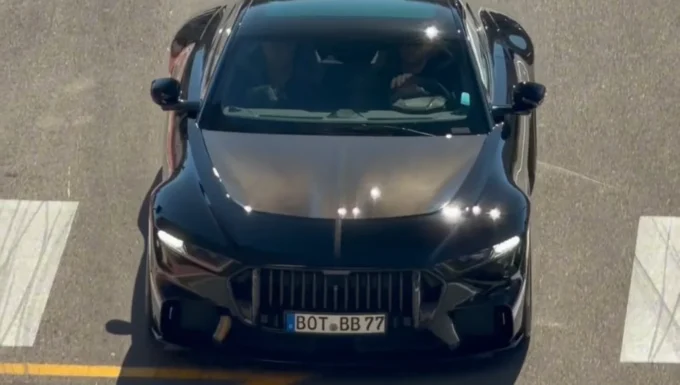
Elevating the Hypercar Experience: A Closer Look at the Brabus Bodo
Discover the allure of the Brabus Bodo, a hypercar that marries high...
2 Mins read

Chery Auto’s LEPAS Expands Global Footprint with New Market Milestones
Chery Auto's LEPAS brand marks significant milestones in its global expansion strategy,...
2 Mins read
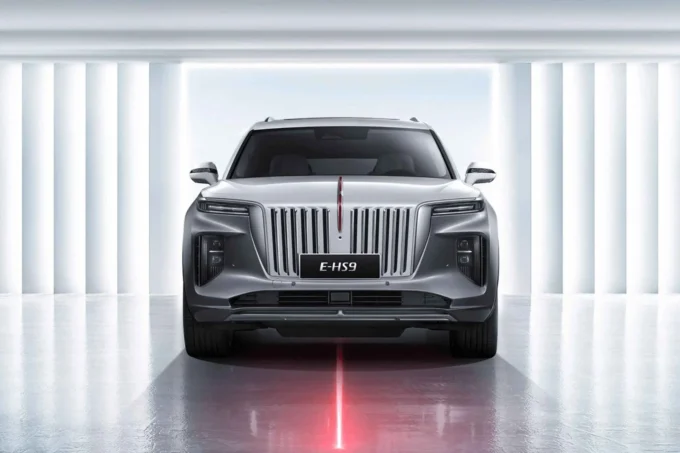


Hongqi: The Rising Star Set to Redefine Luxury in the Automotive Landscape
Discover how Hongqi, the ambitious Chinese luxury brand, aims to carve a...
2 Mins read

Leave a comment