
The Call for Technical Rigor in Reconstruction: Insights from Venezuela
Preserving Safety in Reconstruction Efforts
In the wake of seismic events that have shaken Venezuela, the Colegio de Ingenieros de Venezuela (CIV) has stepped forward, advocating for a methodical and scientifically informed approach to rebuilding efforts. Recent earthquakes have left many structures compromised, and the urgency for reconstruction has risen. However, the CIV warns against hasty decisions that could endanger lives and properties.
Data-Driven Decisions
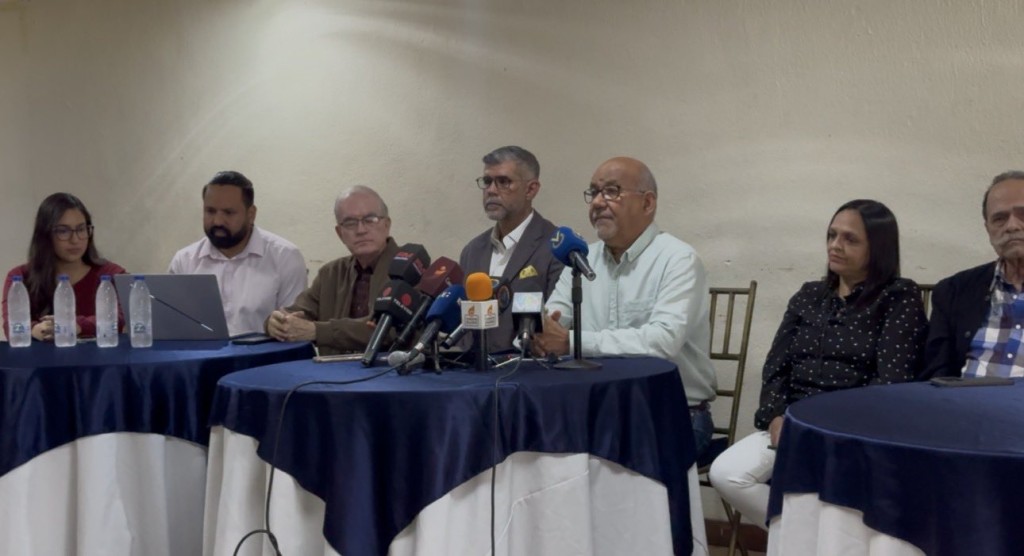
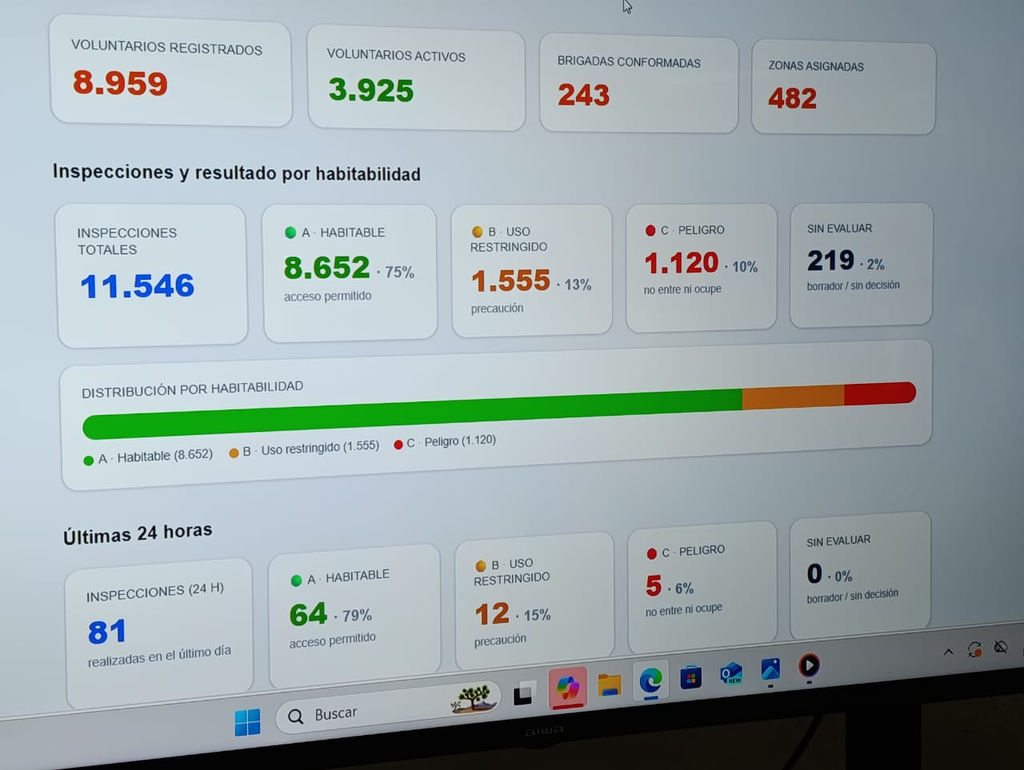
During a recent press conference, the CIV shared pivotal insights from their extensive inspection campaign following the earthquakes. With nearly 9,000 registered volunteers, of whom over 3,900 are currently active, the organization has mobilized 243 brigades to assess structural integrity across 482 designated areas. So far, they have conducted over 11,500 inspections, categorizing buildings into three distinct groups based on their habitability.
- Category A (Habitable): 8,652 inspections, or 75%, deemed safe for occupancy.
- Category B (Restricted Use): 1,555 inspections (13%) labeled as requiring caution.
- Category C (Danger): 1,120 inspections (10%) identified as hazardous, with a strict warning against entry.
- Unassessed: 219 buildings are still awaiting evaluation.
These numbers reflect a concerted effort to ensure the safety of the public and provide clarity on which structures can be used and which require further investigation.
Understanding the Labels
One of the key messages from the CIV is the significance of the labeling system employed during inspections. The red label indicating danger does not automatically mean that a building is to be demolished. Instead, it serves as a preliminary classification that signals the need for thorough technical evaluations before any definitive action is taken. This highlights the importance of a nuanced understanding of structural assessments, as hasty decisions based on superficial evaluations can lead to incorrect conclusions.
The Importance of Preserving Evidence
Another critical point raised by the CIV emphasizes the necessity of preserving evidence from damaged structures. This includes retaining debris from collapsed buildings, which is vital for forensic engineering studies. Such investigations help identify the root causes of structural failures and inform future repair or reinforcement strategies. The CIV stresses that interventions should be grounded in professional expertise, avoiding alterations without technical backing that could further jeopardize safety.
A Call to Action for Citizens and Authorities
The CIV has extended an open invitation to both the public and governmental bodies to maintain a rigorous technical approach during the recovery phase. They believe that collaboration among engineers, architects, and decision-makers will enhance the recovery process and ensure that rebuilding efforts are effective, sustainable, and, most importantly, safe. By prioritizing professional evaluations, the risks associated with reconstruction can be minimized, ultimately protecting lives and property.
Looking Ahead: A Framework for Responsible Reconstruction
As Venezuela navigates the challenges of rebuilding in the aftermath of natural disasters, the approach advocated by the Colegio de Ingenieros serves as a vital framework. Emphasizing technical rigor and safety over expediency will not only facilitate a more secure recovery but also restore public confidence in the integrity of the structures that define the urban landscape. In a city like Miami, which also faces its share of natural threats, the lessons from Venezuela underline the universal truth that safety should never be compromised in reconstruction efforts.
Editorial note: This article was created by A Bit Lavish Miami’s Magazine as an original editorial reinterpretation based on publicly available reporting. Original source: efectococuyo.com. Read the original article here: https://efectococuyo.com/la-humanidad/colegio-de-ingenieros-llama-a-no-improvisar-reconstrucciones-ni-alterar-estructuras-sin-evaluacion-tecnica/.
Images are used for editorial reference with source credit. If an image requires correction or removal, please contact A Bit Lavish.









Shooting of Venezuelan DoorDash Driver by ICE Agent in Austin Sparks Protests
The shooting of a Venezuelan DoorDash driver by an ICE agent in...
 2 Mins read

Shooting of Venezuelan Man by ICE Officer in Austin Raises Public Safety Concerns
The shooting incident involving a Venezuelan man by an ICE officer in...
1 Mins read
Venezuela Extradites 18 Suspects in Assassination of Haiti’s President to the U.S.
The extradition of suspects in the assassination of Haiti's president marks a...
2 Mins read


Human Rights Watch Calls on Venezuela to Uphold Basic Rights and Release Political Prisoners
The international human rights organization urges the Venezuelan government to protect fundamental...
2 Mins read
