
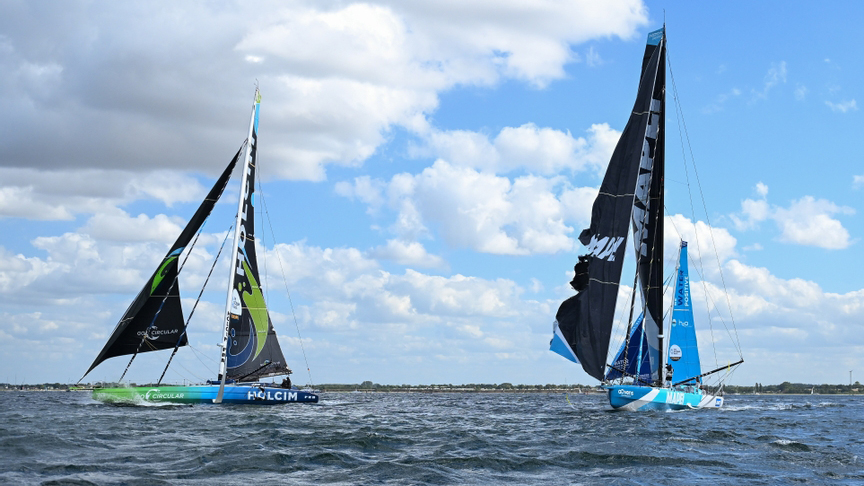
When the Pros Are Caught on Camera Making Mistakes: There’s No Such Thing as a Perfect Sailor
In the world of sailing, where precision and skill are paramount, the recent collision between the Allagrande Mapei Racing and Team Holcim PRB IMOCAs during the start of the Ocean Race Europe serves as a stark reminder that even the most seasoned sailors are not immune to mistakes. The incident, which unfolded in a dramatic fashion, showcased the sheer power of these high-tech vessels as Holcim’s foil sliced through Allagrande’s headsail. While the crash was alarming, it also highlighted the remarkable capabilities of modern sailing technology and the inherent risks involved in competitive sailing.
The Reality of Mistakes in Sailing
Mistakes are an inevitable part of sailing, regardless of experience level. The culture surrounding errors often leans towards blame and shame, but high-profile incidents like this one can help shift that narrative. They remind us that errors are not a reflection of one’s skill but rather a universal aspect of the human experience.
Many new sailors often harbor the belief that perfection is attainable: “Once I’m good enough at sailing, I won’t mess up anymore.” This mindset is not only unrealistic but also detrimental. Perfection is a myth; the reality is that mistakes will always occur. Factors such as fatigue, stress, cognitive overload, and the unpredictable nature of weather and competition contribute to this inevitability.
The Spectrum of Mistakes
Mistakes in sailing can be categorized based on experience levels. Beginner sailors often make ‘rookie’ errors, such as improperly tying fenders or misplacing headsails. Intermediate sailors may face more complex challenges, like reefing too late or making navigation errors. In contrast, professional sailors encounter high-stakes mistakes, often involving aggressive tactics or split-second decisions.
While a crash in the Ocean Race may seem more significant than a poorly tied knot, the emotional weight of a mistake can vary greatly depending on the individual. A beginner might experience panic over a small error, while a pro might brush off a costly mistake as part of the game.
Embracing Mistakes as Learning Opportunities
The fear of making mistakes can be paralyzing. Many sailors, including seasoned veterans, dread looking foolish or facing blame. However, it’s crucial to recognize that mistakes are integral to the learning process. Avoiding them equates to avoiding growth. Under pressure, even the simplest tasks can become daunting, leading to errors that might not occur in a more relaxed environment.
When mistakes happen, the focus should shift from blame to resolution. A valuable lesson can be gleaned from the Kiel incident: both teams quickly set about repairing their boats, prioritizing their return to the race over assigning fault. This proactive approach is essential in sailing and life.
A Lesson in Teamwork and Problem-Solving
On the day of the Kiel crash, I found myself assisting friends with a mini-crisis of our own. A crew member’s passport had been mistakenly packed in the wrong bag, en route to Hamburg. Instead of wasting time assigning blame, we sprang into action, coordinating with strangers who helped return the passport just in time for departure. This experience reinforced the importance of teamwork and problem-solving in the face of adversity.
To foster a more welcoming sailing community, it’s imperative to leave blame behind. When mistakes occur, the priority should be to resolve the issue at hand and then analyze the situation to prevent future occurrences.
Conclusion: Handling Mistakes with Grace
The recent collision between Holcim PRB and Allagrande Mapei serves as a powerful reminder that mistakes are part of the sailing journey. Rather than striving for an unattainable ideal of perfection, sailors should focus on how to manage errors effectively. The crash may have been costly and dangerous, but it also presents an opportunity for learning and growth.
Thank you to Holcim PRB, Allagrande Mapei, and the Ocean Race team for exemplifying how elite sailors can learn from their mistakes rather than hide from them. The goal isn’t to eliminate errors but to handle them with grace and resilience, ensuring that the sailing community continues to thrive and evolve.









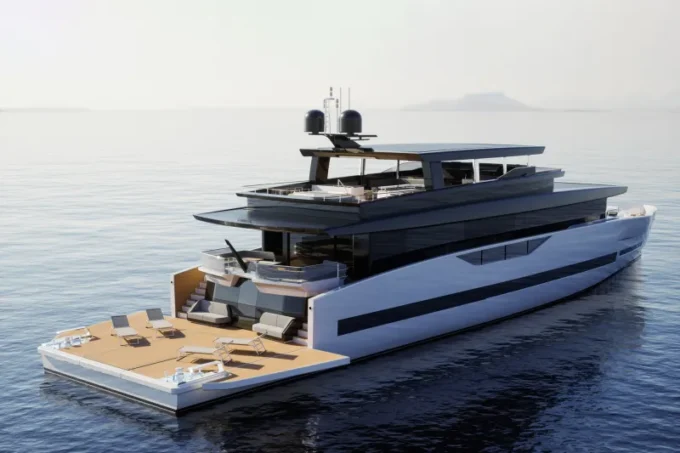
The GX42: A New Era in Luxury Yachting
Explore the debut of the GX42, the first model from GX Superyachts,...
 2 Mins read
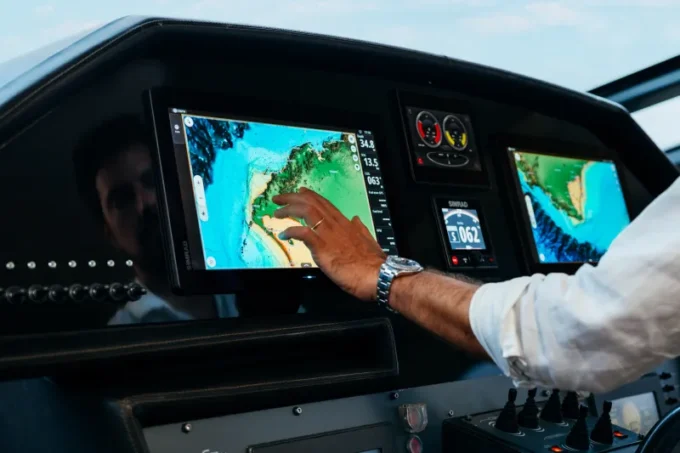
Navigating the Future: Simrad’s NSO 4 Multifunction Displays Set to Redefine Yachting Technology
Discover how Simrad's NSO 4 multifunction displays elevate yachting technology with advanced...
2 Mins read
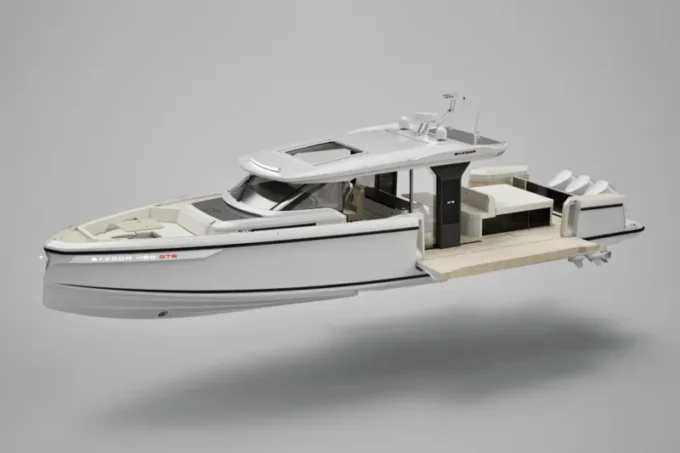
Saxdor Yachts Unveils the Open 460 GTS: A New Era in Luxury Boating
Discover the Saxdor 460 GTS, a flagship yacht designed for open-water enthusiasts,...
 ABL2 Mins read
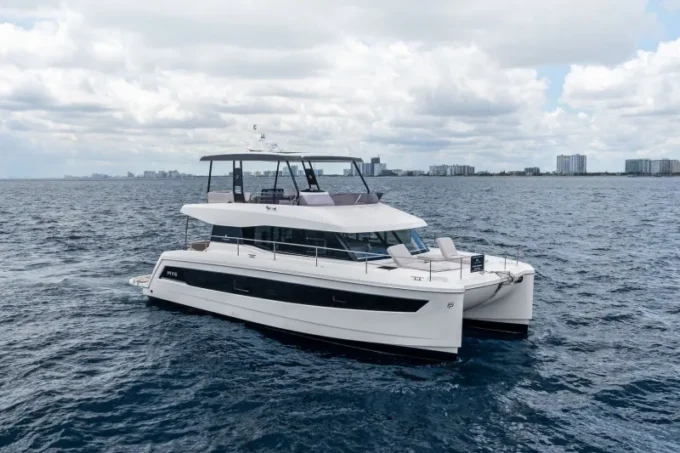


Experience Unparalleled Luxury Aboard the Fountaine Pajot MY6
Explore the Fountaine Pajot MY6, a luxurious catamaran offering exceptional comfort and...
ABL3 Mins read
