

Reimagining Political Identity
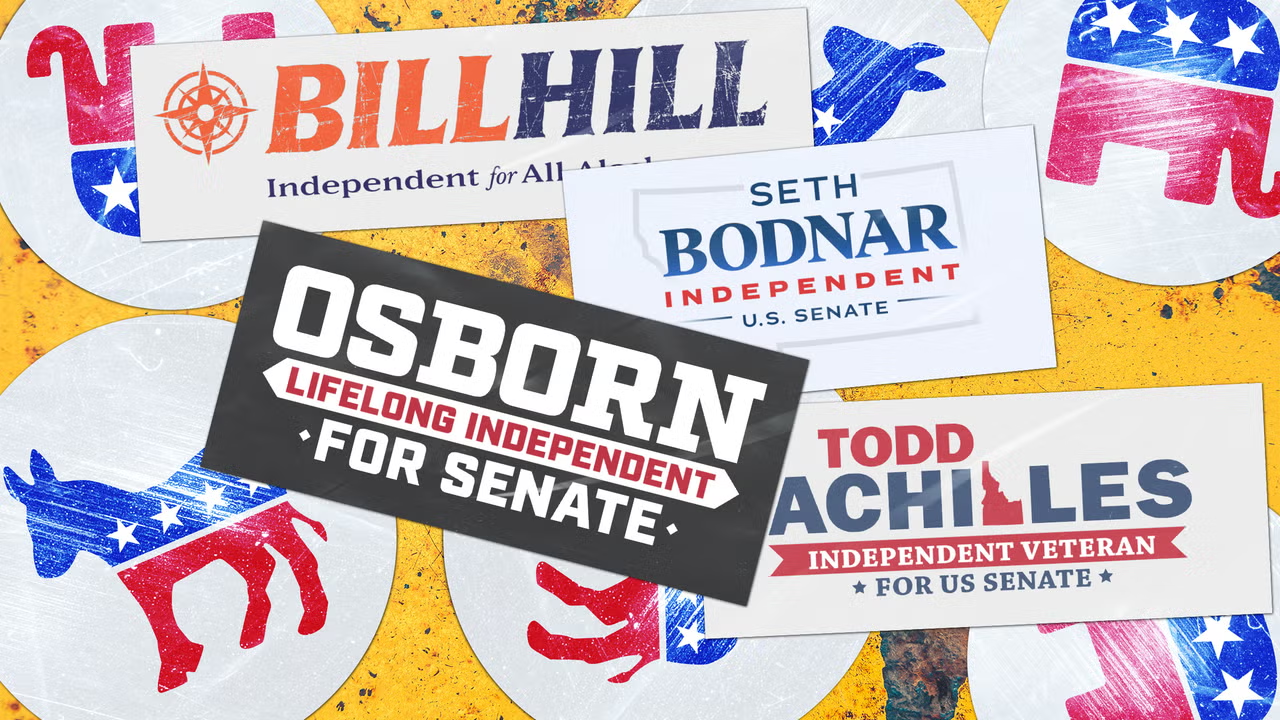
In an era marked by political polarization, independent candidates are emerging as a powerful force, leveraging their nonpartisan status to resonate with a disenchanted electorate. As both the Democratic and Republican parties grapple with declining public favor, the branding strategy of these independent contenders is evolving, transforming their identity into a key asset in the race for voter support.
Independence as a Brand
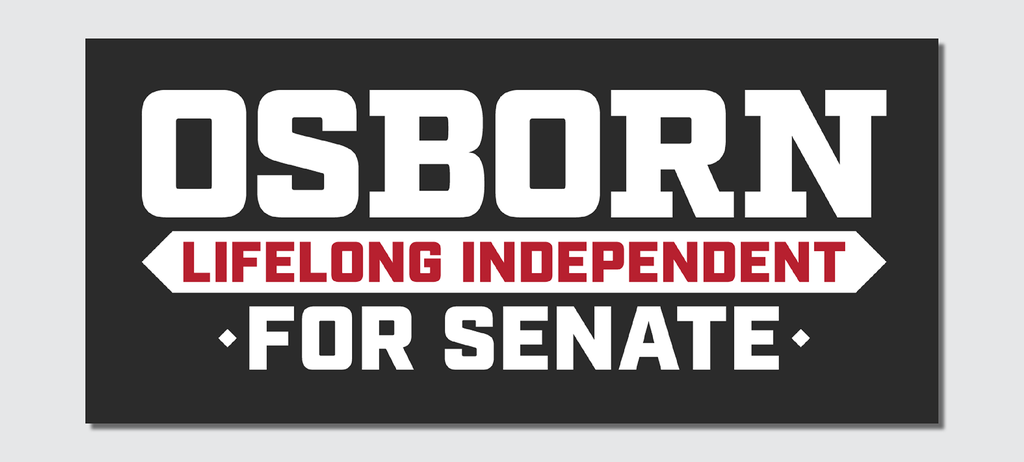
Rather than shying away from their non-affiliation, independent candidates are boldly embracing the term ‘independent’ as a central theme in their campaign branding. For instance, Dan Osborn, a U.S. Senate candidate from Nebraska, has utilized the word within his logo since his first run for office two years ago. After a close defeat, Osborn has refined his branding to underscore his lifelong commitment to independence, now branding himself as a ‘Lifelong Independent’ in his latest campaign against incumbent Republican Senator Pete Ricketts.
Osborn’s strategy reflects a broader trend among independent candidates who recognize that the term itself signals a departure from conventional party politics, allowing them to cultivate a distinct identity that appeals to voters seeking alternatives to traditional affiliations.
Capturing Voter Sentiment
The rising appeal of independent candidates is closely tied to a broader disillusionment with the current political landscape. Data from the Pew Research Center indicates that nearly 60% of Americans view both major parties unfavorably. Furthermore, a Gallup poll reveals a record 45% of U.S. adults identify as independent. This growing sentiment of frustration and mistrust is propelling voters toward candidates who offer a fresh perspective, unbound by the constraints of partisan loyalty.
Political science experts suggest that for independents like Osborn, the challenge lies not only in attracting independent and swing voters but also in appealing to disenchanted members of the Republican base who feel disconnected from their party’s direction. In states where the Democratic brand struggles, positioning oneself as a true independent may present a viable path to electoral success.
The Art of Visual Branding
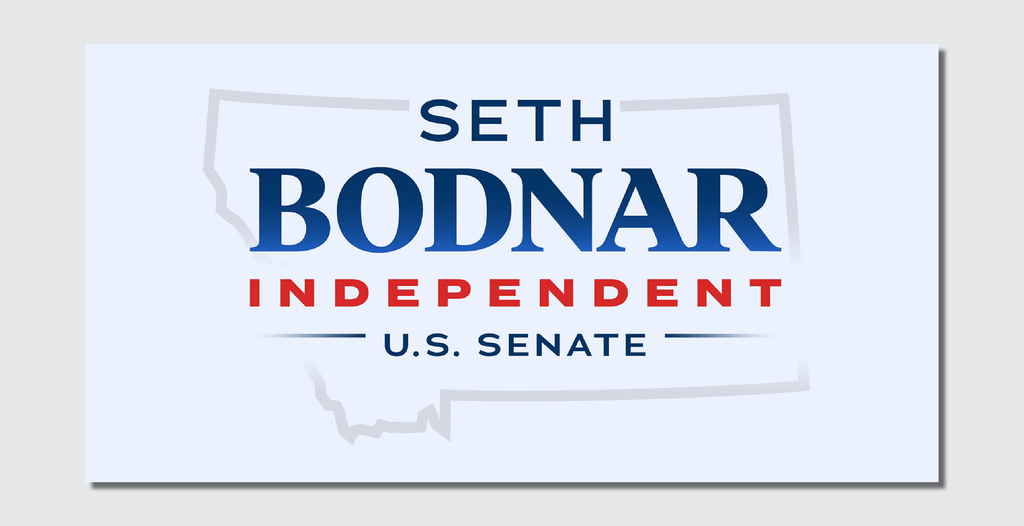
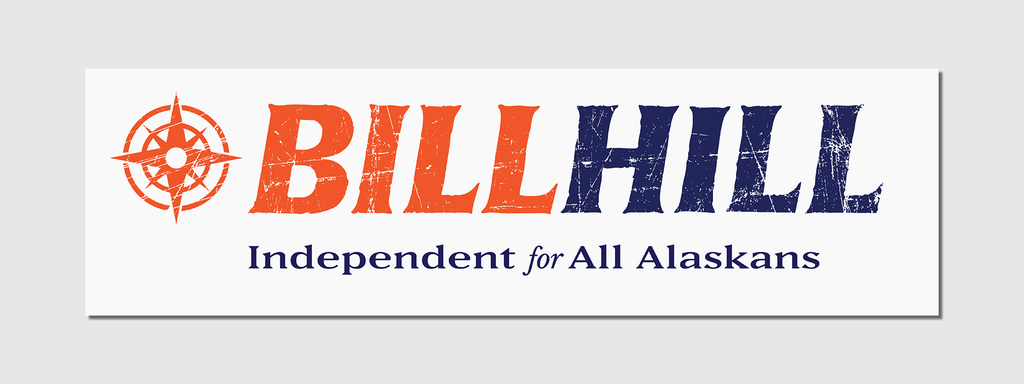
As independents carve out their niche, their visual branding strategies are becoming increasingly sophisticated. Candidates like Todd Achilles from Idaho and Seth Bodnar from Montana have adopted logos that emphasize their unique identities. Achilles’ logo creatively incorporates an outline of the Idaho state map, while Bodnar uses a bold red font to highlight his independent status within the context of his home state.
Moreover, the use of color plays a significant role in this branding overhaul. Candidates such as Brian Bengs in South Dakota utilize purple—a color historically associated with bridging the partisan divide—to convey a message of unity and cooperation. This visual language not only distinguishes them from party candidates but also aligns with the broader narrative of promoting nonpartisan alternatives in a divided political climate.

Beyond Partisan Lines
Interestingly, the inclination toward nonpartisan branding is not confined to independents. Democratic candidates, such as Rob Sand in Iowa, are also adopting visual strategies that downplay partisan identity. Sand’s campaign features imagery of handshake logos and slogans that replace traditional party rhetoric with terms like ‘Truer and Better,’ further blurring the lines between established party affiliations.
This shift in strategy underscores a wider recognition that in a time of deepening disenchantment with partisan politics, the emphasis on unity and collaboration can resonate with voters seeking pragmatic solutions over ideological rigidity.
The Future of Political Campaigning
As the political landscape continues to evolve, the rise of independent candidates is not merely a trend but a reflection of a fundamental shift in voter expectations. The growing number of individuals identifying as independent signifies a demand for authentic representation that transcends traditional party lines. Candidates who harness the power of branding—particularly through the lens of independence—are positioning themselves at the forefront of this movement, potentially reshaping the future of political campaigning.
For Miami, a city characterized by its diverse and dynamic population, the emergence of independent candidates could signal a new era in local and national politics. As Miamians become increasingly disengaged from traditional political affiliations, the appeal of independent candidates may resonate strongly, inviting innovative approaches to governance and civic engagement.
Editorial note: This article was created by A Bit Lavish Miami’s Magazine as an original editorial reinterpretation based on publicly available reporting. Original source: fastcompany.com. Read the original article here: https://www.fastcompany.com/91614149/independent-candidate-branding-2026-elections.
Images are used for editorial reference with source credit. If an image requires correction or removal, please contact A Bit Lavish.









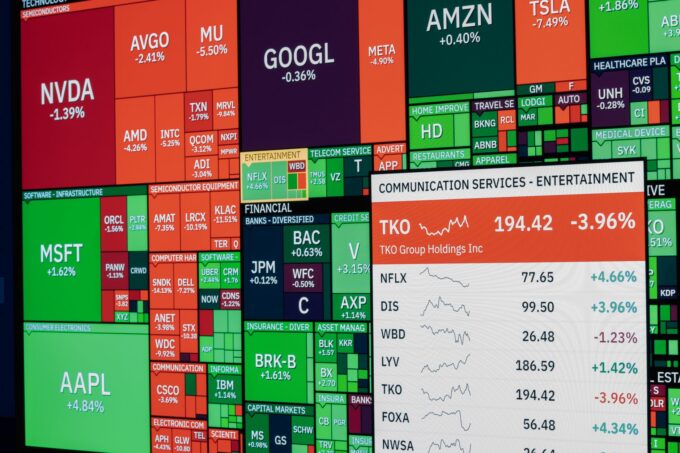
Nasdaq Hits Record High Following Softer Jobs Data
The Nasdaq Composite reached an all-time high on October 2, 2026, driven...
 2 Mins read

China Halts Refined Fuel Exports, Tightening Global Energy Markets
China's recent decision to suspend refined fuel exports as of October 2,...
2 Mins read

G7 Nations Agree to Release Diesel and Oil Stocks Amid U.S. Pressure
The G7's recent decision to release oil and diesel stocks marks a...
2 Mins read



Amazon Commits $1 Billion to Data Center Communities Amid Local Opposition
Amazon's substantial investment underscores the tech giant's strategic focus on data infrastructure...
1 Mins read

Leave a comment