


Shadows of Hope: The Fight Against Coral Bleaching
The vibrant underwater landscapes of the Florida Keys, a jewel in Miami’s marine ecosystem, are under siege from the rising temperatures of our oceans. With climate change wreaking havoc, coral reefs—home to a quarter of oceanic biodiversity—are facing unprecedented stress. The alarming statistics reveal that over 84% of global reefs are affected by heat stress, and the Florida Keys are no exception. In the summer of 2023, a marine heat wave led to a catastrophic bleaching event, marking the worst on record.
Innovative Approaches to an Urgent Problem
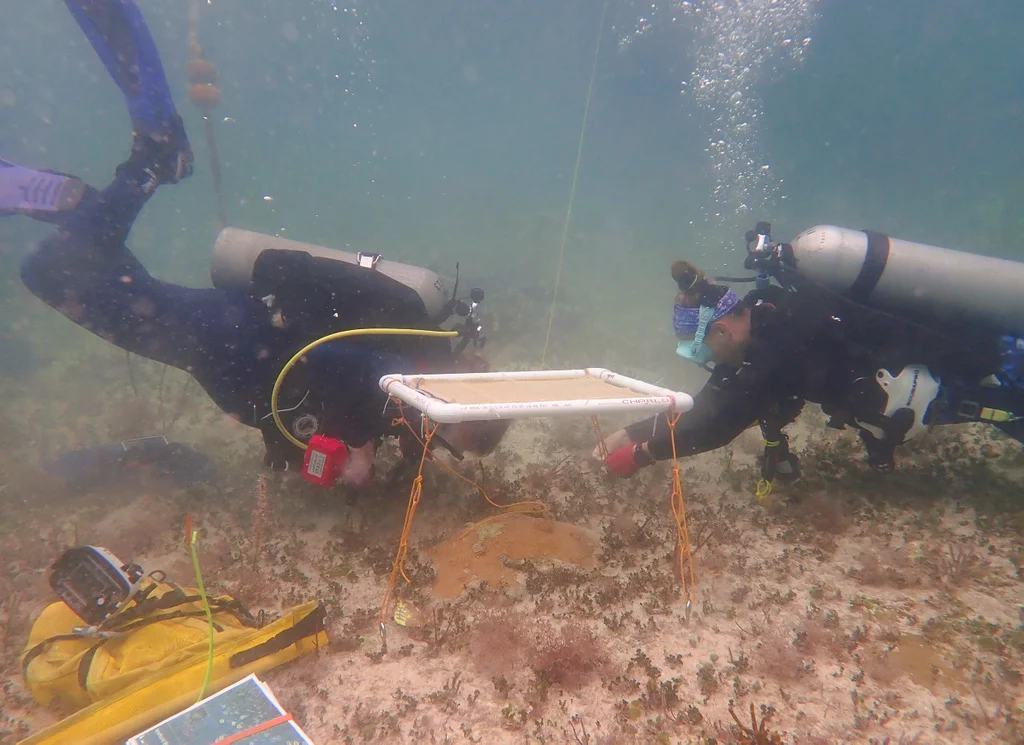
As scientists grapple with the multifaceted challenges of climate change, a novel solution has emerged: underwater shading structures, affectionately termed “umbrellas.” Developed by a team led by Karen Neely from Nova Southeastern University, these ingenious devices are designed to provide temporary respite to coral reefs from the harsh Florida sun. Made from agricultural shade cloths, these umbrellas aim to reduce the light intensity that contributes to coral bleaching.
A Bright Idea in Dark Times
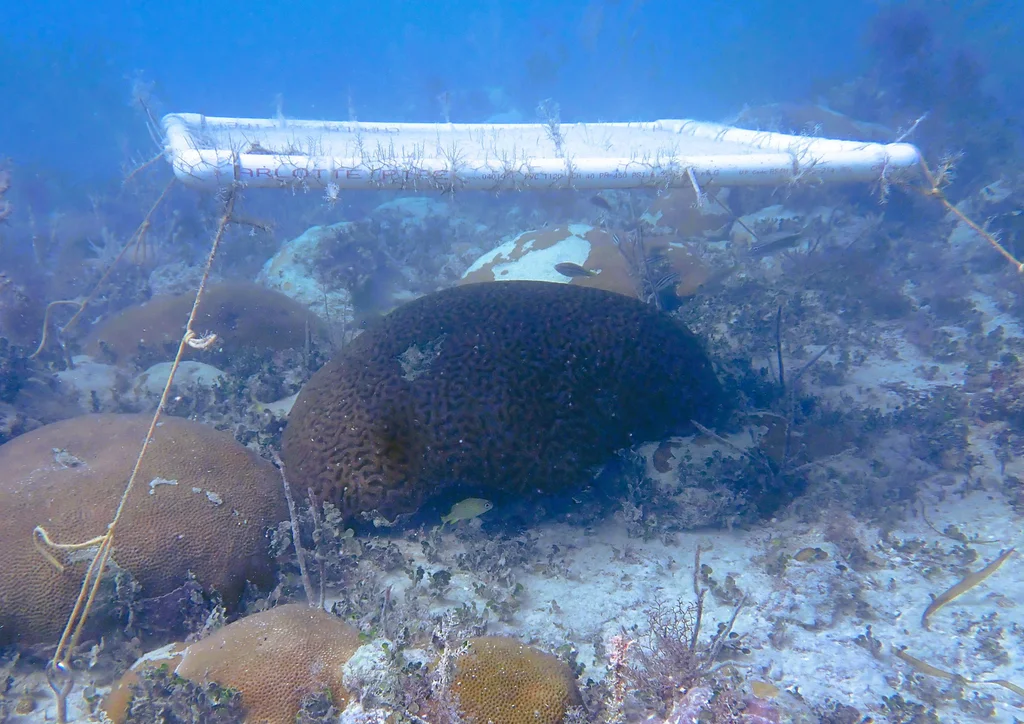
The concept of shading corals is not entirely new; similar techniques have been explored in Australia’s Great Barrier Reef. However, the Florida Keys present unique challenges due to different coral species and environmental conditions. In the summer of 2024, Neely’s team undertook an experimental mission to assess the efficacy of these underwater umbrellas. The results were promising: corals under the shade lost less color than anticipated, with some even regaining vibrancy.
Understanding the Mechanism
While these umbrellas do not lower water temperatures, they effectively reduce light exposure by approximately 60%. Neely explains that minimizing light is crucial, as it works synergistically with heat stress to exacerbate coral bleaching. By creating a shaded environment, the team enabled corals to experience light conditions akin to winter, significantly alleviating their stress.
Scalability and Future Implications
Despite the success of this pilot study, scaling this intervention presents challenges. While the approach offers a targeted solution for individual corals, the sheer number of corals worldwide complicates widespread implementation. Nevertheless, this initiative exemplifies proactive climate interventions that deliver immediate benefits, a critical factor as global warming continues to escalate.
The Broader Impact on Miami’s Ecosystem
Coral reefs, despite occupying less than 1% of the ocean floor, are vital to marine biodiversity, tourism, food supply, and shoreline protection. The significance of initiatives like underwater umbrellas cannot be overstated. Neely underscores the cost-effectiveness of such measures, estimating that shading a coral costs around $100, whereas restoring a dead coral could exceed $1,000. This shift from restoration to preservation highlights a pragmatic approach to coral conservation.
A Call to Action
The challenges facing coral reefs demand urgent collective action. While shading techniques offer a stopping point, long-term solutions must also address the root causes of climate change. For Miami and its surrounding waters, the fate of coral reefs is intertwined with the city’s economic vitality and environmental health. As residents and leaders reflect on these findings, the call to protect our underwater treasures becomes increasingly critical.

Editorial note: This article was created by A Bit Lavish Miami’s Magazine as an original editorial reinterpretation based on publicly available reporting. Original source: fastcompany.com. Read the original article here: https://www.fastcompany.com/91616168/undersea-umbrellas-protect-florida-keys-coral-reefs-bleaching.
Images are used for editorial reference with source credit. If an image requires correction or removal, please contact A Bit Lavish.









Amazon Commits $1 Billion to Data Center Communities Amid Local Opposition
Amazon's substantial investment underscores the tech giant's strategic focus on data infrastructure...
 1 Mins read

U.S. Economy Adds 29,000 Jobs in September, Falling Short of Expectations
The U.S. economy added 29,000 jobs in September 2026, a figure that...
2 Mins read

China Halts Fuel Exports, Driving Global Diesel Prices Higher
China's recent decision to cut off fuel shipments has sent shockwaves through...
2 Mins read



Analysis Reveals Increased Household Energy Costs Due to Trump’s Policy Changes
A recent analysis highlights the financial impact of former President Trump's policy...
2 Mins read

Leave a comment