
The Sweet Side of Cognitive Health: Rethinking Our Love for Diet Sodas
The Hidden Costs of Sweetness
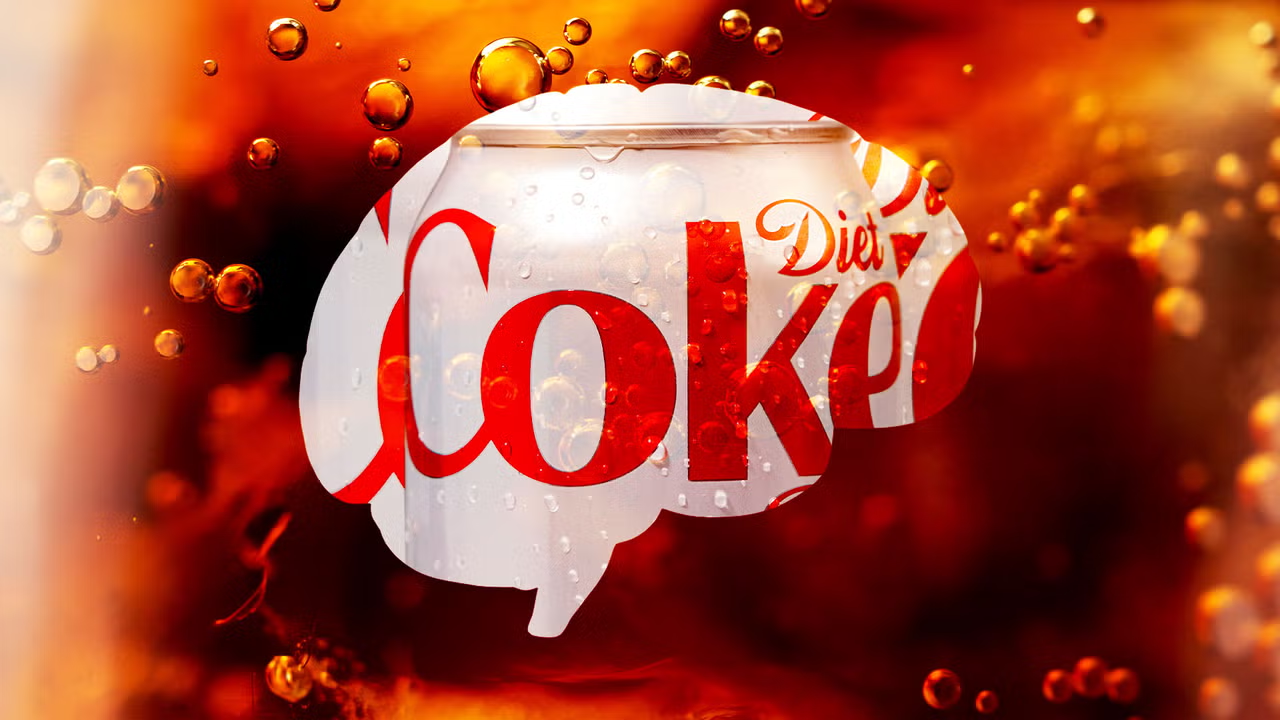
In an age where health consciousness reigns supreme, the allure of diet sodas continues to captivate consumers. However, recent research has cast a shadow on the perceived benefits of these low-calorie alternatives, prompting a deeper examination of their effects on cognitive health. A comprehensive study published in Neurology highlights a concerning correlation between the intake of artificial sweeteners and accelerated cognitive decline, urging us to reconsider our daily habits.
Understanding the Study
Conducted over eight years, the study tracked the cognitive health of nearly 13,000 adults across Brazil, focusing on their consumption of low- and no-calorie sweeteners. Researchers observed a striking difference in cognitive aging: those who indulged in higher quantities of artificial sweeteners experienced a decline in cognitive function equivalent to an additional 1.6 years of brain aging compared to their less-consuming counterparts. This revelation has sparked a dialogue about the long-term implications of our sweetener-laden diets.
Artificial Sweeteners Under Scrutiny
The array of sweeteners studied—including aspartame, saccharin, and erythritol—has long been touted as a healthier choice over sugar. Yet, the findings suggest that regular consumption may be linked to faster declines in global cognition, particularly in memory and verbal fluency. Claudia Kimie Suemoto, one of the study’s authors, cautions against jumping to conclusions, noting that while the study indicates a relationship, it does not establish causation.
A Question of Quantity
On average, participants consumed about 92 milligrams of artificial sweeteners daily, with some exceeding nearly double that amount. To put this into perspective, a single can of diet soda can contain up to 200 milligrams of sweeteners, raising the stakes for those who enjoy multiple servings a day. With previous studies linking these sweeteners to increased risks of type 2 diabetes and cardiovascular issues, the potential cognitive ramifications add another layer of complexity to the ongoing debate regarding their safety.
Shifting Consumer Preferences
Despite the emerging concerns, diet sodas, particularly Coca-Cola’s offerings, are experiencing a renaissance. The company reported a 16% surge in unit case volume for Coca-Cola Zero Sugar in a recent quarter, followed closely by Diet Coke. This trend suggests that while consumers are becoming increasingly aware of health implications, the demand for lower-calorie options remains robust. As CFO John Murphy noted, Diet Coke is “having its moment,” reflecting a paradox in consumer behavior.
Exploring Alternatives
As we navigate these revelations, moderation becomes a key theme in discussions around diet soda consumption. Suemoto advocates for a shift towards healthier beverage choices, recommending water, sparkling water, or unsweetened coffee and tea as preferable alternatives. For coffee enthusiasts, there’s a silver lining; recent studies indicate that coffee may lower the risk of various liver diseases, presenting a healthier vice for those seeking caffeine.
The Road Ahead
As Miami’s vibrant lifestyle continues to embrace health and wellness, the implications of our dietary choices are more significant than ever. The dialogue surrounding artificial sweeteners and cognitive health is not just a matter of individual choice but reflects broader trends in consumer awareness and lifestyle modifications. As we tread lightly on the path of modern consumption, the insights from this study serve as a reminder to balance enjoyment with health, ensuring that our love for sweetness does not come at the cost of our cognitive vitality.
Editorial note: This article was created by A Bit Lavish Miami’s Magazine as an original editorial reinterpretation based on publicly available reporting. Original source: fastcompany.com. Read the original article here: https://www.fastcompany.com/91584977/your-daily-diet-coke-habit-could-be-negatively-affecting-your-brain-study-suggests.
Images are used for editorial reference with source credit. If an image requires correction or removal, please contact A Bit Lavish.










Navigating the New Landscape of Home Affordability: A Deep Dive into Market Trends
Explore the evolving dynamics of home affordability in the U.S. housing market...
 2 Mins read

Rethinking Economic Narratives: The End of the K-Shaped Economy?
Treasury Secretary Scott Bessent declares the end of the K-shaped economy, but...
2 Mins read
Fantasy Baseball Trade Deadline Spurs Strategic Shifts in Bullpen Dynamics
The August 2026 trade deadline reshapes bullpen roles, impacting team strategies and...
1 Mins read



Jefry Yan Celebrations Mark a New Era in Major League Baseball
The global sports community recognizes Jefry Yan's achievements, highlighting the evolving landscape...
1 Mins read

Leave a comment