

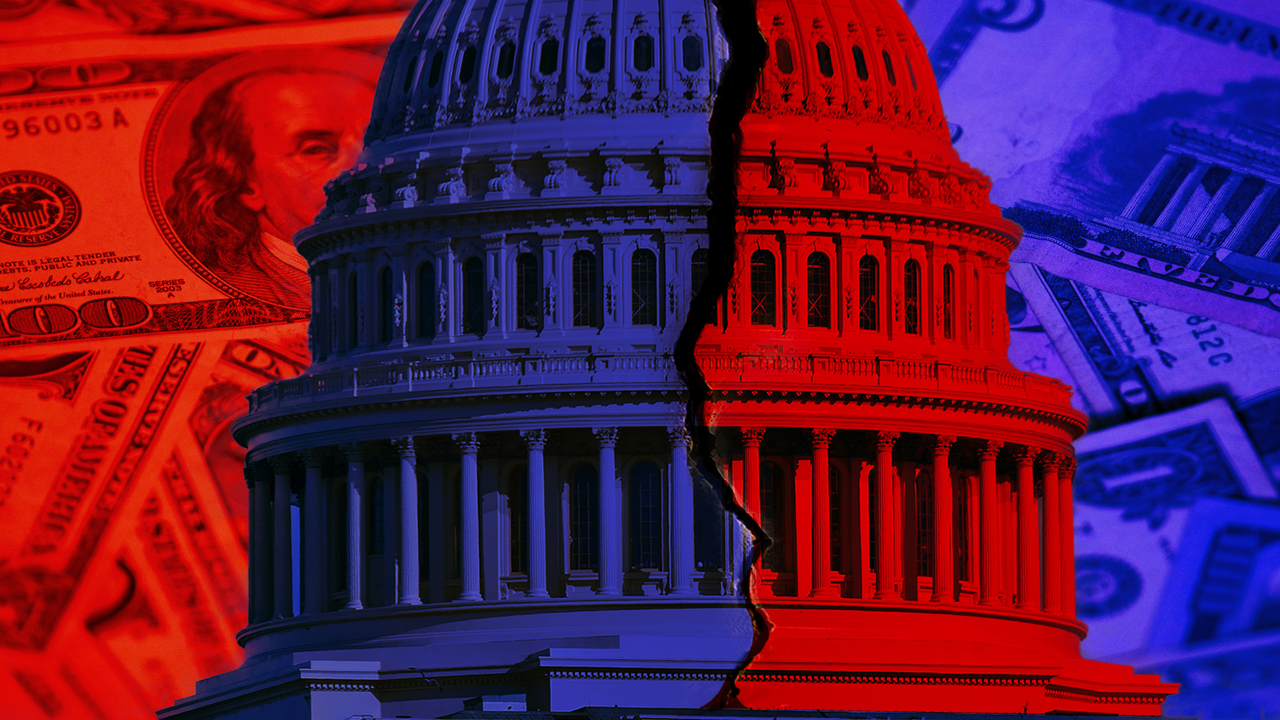
A Legacy Rooted in Community
This summer, as the nation commemorates its 250th anniversary, we reflect not only on the valiant visionaries who laid the groundwork for American democracy but on the myriad of individuals and institutions that have sustained it through the ages. The strength of this political experiment is deeply intertwined with the efforts of citizens, businesses, and nonprofits that have collectively woven the fabric of civil society. From the humble beginnings of Benjamin Franklin’s Junto Club, which fostered community-led initiatives such as lending libraries and volunteer fire companies, it is evident that democracy is not merely a construct of government but rather a living, breathing entity supported by active and engaged citizens.
The Engine of Community Resilience
Fast forward to today, and the nonprofit sector has emerged as a cornerstone of American society. With nearly two million registered nonprofits employing over 12.8 million individuals, it stands as the third-largest workforce in the United States, surpassed only by retail and manufacturing. This sector not only plays a pivotal role in addressing civic needs but also represents a formidable engine of global impact, contributing over $600 billion in donations in recent years. Such figures underscore a critical truth: civil society is indispensable to the nation’s resilience and future.
Challenges Amidst Generosity
However, the landscape reveals a paradox. While charitable giving continues to soar to unprecedented levels, the rate of participation from American households has seen a troubling decline. The Generosity Commission’s findings indicate that many individuals feel hindered by constraints of time and financial resources, coupled with a sense of futility concerning their contributions. This disconnect poses a challenge that transcends individual sectors; it requires a concerted effort from businesses, nonprofits, and civic leaders alike. Companies, particularly, hold a unique position as facilitators and conveners, poised to leverage their influence to foster community engagement and charitable participation.
A Strategic Advantage for Businesses
Engagement with civil society should not be viewed merely as corporate philanthropy; rather, it represents a strategic advantage for businesses. Companies that actively invest in their communities cultivate deeper customer relationships, enhance workforce engagement, and build a reservoir of trust that distinguishes them from competitors. This alignment of business objectives with social impact not only elevates brand reputation but also contributes to a healthier civic landscape.
The Technological Catalyst
As we navigate the complexities of the 21st century, technology emerges as a crucial enabler for civil society. AI and data analytics are transforming the way nonprofits operate, making fundraising efforts more personalized and donor engagement more targeted. Organizations that harness these technologies report improved outcomes in fundraising revenue, donor retention, and overall productivity. By helping nonprofits adopt technological advancements, businesses are not simply investing in operational efficiency; they are bolstering the very foundation of American democracy and community well-being.
A Call to Action for the Next Generations
The vision of America’s founders was not limited to a singular moment in history; it was a call to action for a society defined by collaboration and community spirit. The responsibility to nurture this legacy falls upon today’s citizens and leaders, urging them to engage actively in shaping the future. As we stand on the precipice of another 250 years, the tools and knowledge to foster a vibrant civil society are at our disposal. By embracing innovation, fostering partnerships, and investing in our communities, we can collectively build a future that honors the ideals of our forebears while adapting to the demands of a rapidly changing world.
Editorial note: This article was created by A Bit Lavish Miami’s Magazine as an original editorial reinterpretation based on publicly available reporting. Original source: fastcompany.com. Read the original article here: https://www.fastcompany.com/91582109/business-and-civil-societys-impact-on-american-democracy.
Images are used for editorial reference with source credit. If an image requires correction or removal, please contact A Bit Lavish.










Navigating the New Landscape of Home Affordability: A Deep Dive into Market Trends
Explore the evolving dynamics of home affordability in the U.S. housing market...
 2 Mins read
Rethinking Economic Narratives: The End of the K-Shaped Economy?
Treasury Secretary Scott Bessent declares the end of the K-shaped economy, but...
2 Mins read
Fantasy Baseball Trade Deadline Spurs Strategic Shifts in Bullpen Dynamics
The August 2026 trade deadline reshapes bullpen roles, impacting team strategies and...
1 Mins read



Jefry Yan Celebrations Mark a New Era in Major League Baseball
The global sports community recognizes Jefry Yan's achievements, highlighting the evolving landscape...
1 Mins read

Leave a comment