


Firm Foundations of U.S. Policy
The landscape of U.S.-Cuba relations remains a complex tapestry woven with historical tensions and contemporary challenges. Recently, U.S. Secretary of State Marco Rubio reaffirmed the country’s unwavering commitment to addressing the multifaceted threats posed by the Cuban regime. This declaration comes on the heels of significant anniversaries, particularly the fifth year since the notable protests of July 11, 2021, which saw thousands of Cubans take to the streets, voicing their discontent over economic hardships and the suppression of freedoms.
A Call for Reform and Accountability
In his recent statements, Rubio emphasized the necessity for Cuban leaders to engage in authentic reforms that prioritize peace and prosperity for their citizens. His remarks serve not just as a critique of the current regime but also as a clarion call for the Cuban government to reconsider its policies and approach. The U.S. administration’s readiness to offer support—including aid for reconstruction—hinges on the island’s willingness to embrace genuine political and economic changes.
The Shadow of Repression
The urgency of Rubio’s message is underscored by the ongoing plight of political prisoners in Cuba. He lamented that, despite the passage of time since the 2021 protests, many individuals remain unjustly detained, reflecting a broader climate of repression. This situation has drawn sharp criticism from various non-governmental organizations in Latin America, particularly those based in Venezuela, which have condemned the authoritarian practices not only in Cuba but also in Nicaragua.
A Regional Perspective: The Ripple Effects
The implications of U.S. policy towards Cuba extend beyond the island itself, affecting regional dynamics in Latin America. Venezuela’s political climate, heavily influenced by its relationship with Cuba, presents a stark contrast to the aspirations of freedom and reform championed by many in the region. Rubio’s remarks hinted at a concerted effort to exert pressure on regimes that fail to uphold democratic ideals, suggesting that the U.S. may consider stronger actions should these conditions remain unchanged.
Economic Pressures and International Relations
For six months, the U.S. has implemented a rigorous policy aimed at crippling Cuba’s economic engine, particularly through a petroleum blockade that has exacerbated energy shortages and increased blackouts across the island. These sanctions are positioned not merely as punitive measures but as strategic tools designed to encourage a shift in governance in Havana. The specter of potential military intervention looms as a backdrop to these actions, especially following the recent political upheaval in Venezuela, underscoring the interconnectedness of these geopolitical issues.
Prospects for a New Relationship
Despite the hardline stance, Rubio has highlighted the possibility of a renewed relationship between the U.S. and Cuba, contingent upon the latter’s acceptance of necessary reforms. This prospect represents a delicate balancing act: while maintaining pressure to evoke change, the U.S. also seeks to extend an olive branch that could lead to improved bilateral relations and stability in the region. The future remains uncertain, but the ongoing dialogue and political maneuvering will undoubtedly shape the trajectory of U.S.-Cuba relations.
Editorial note: This article was created by A Bit Lavish Miami’s Magazine as an original editorial reinterpretation based on publicly available reporting. Original source: efectococuyo.com. Read the original article here: https://efectococuyo.com/internacionales/eeuu-mantendra-todas-las-medidas-contra-el-regimen-cubano-marco-rubio/.
Images are used for editorial reference with source credit. If an image requires correction or removal, please contact A Bit Lavish.







Trump Meets Venezuela’s Acting President Delcy Rodríguez: A Shift in U.S.-Venezuela Relations
The meeting between Trump and Venezuela's acting president signifies a notable shift...
 2 Mins read

Empowering Voices: Women as Architects of Change in Venezuela
Discover how women in Venezuela are shaping the transition towards democracy and...
3 Mins read
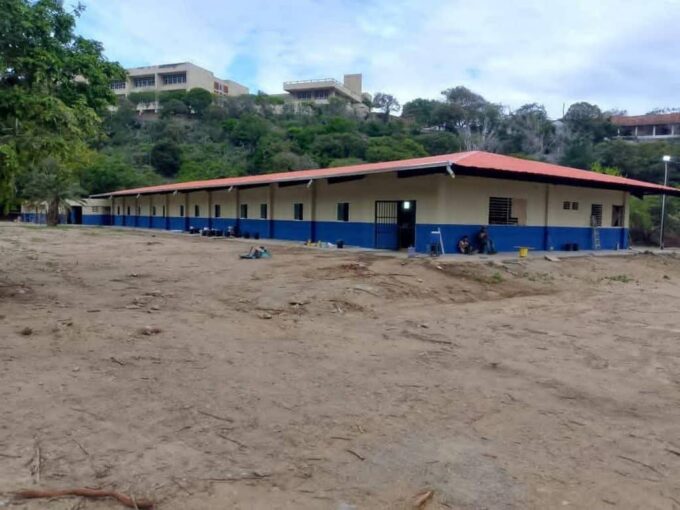
Navigating Vulnerability: The Return of La Guaira’s Universities Post-Earthquake
Explore the challenges faced by La Guaira's universities as they recover from...
3 Mins read
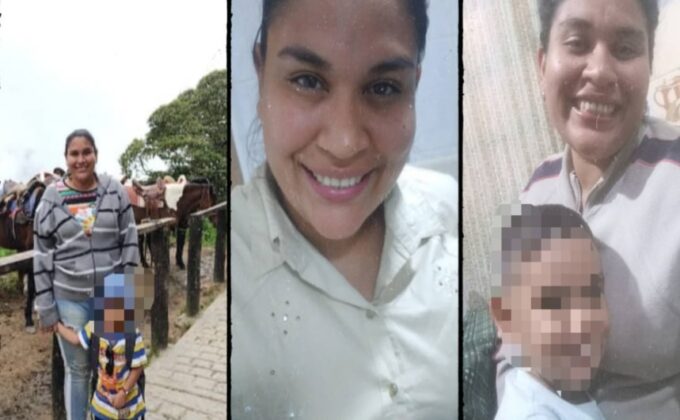


The Unyielding Spirit of Brenda Velázquez: A Mother’s Fight Amidst Political Turmoil
Discover the harrowing story of Brenda Velázquez, a political prisoner in Venezuela,...
2 Mins read
