
Trump Calls for Caution on Venezuelan Elections Amid Oil Company Advances
MIAMI — October 1, 2026
Former President Donald Trump has publicly stated that it is premature to call for elections in Venezuela, particularly in light of recent advancements by major oil companies in the region. This statement, made on October 1, 2026, has reignited discussions surrounding the political landscape in Venezuela and its implications for international relations, especially concerning energy resources.
Trump’s remarks come at a time when Venezuela’s political situation remains precarious, with ongoing debates about the legitimacy of the current government led by Nicolás Maduro. The former president’s comments were reported by Demócrata, a Venezuelan news outlet, which emphasized the geopolitical ramifications of the situation as oil companies, including U.S.-based firms, seek to re-establish operations in the country.
The backdrop to Trump’s statement involves a complex interplay of domestic and international factors. Venezuela, once one of the richest countries in Latin America due to its vast oil reserves, has faced significant economic challenges and political turmoil over the past decade. The Maduro administration has been accused of authoritarian practices, leading to widespread calls for democratic reforms and new elections from both domestic opposition groups and international observers.
Trump’s cautionary stance reflects a broader concern among U.S. policymakers regarding the timing of elections in Venezuela. The former president’s comments suggest that any electoral process should not occur until there is a stable environment conducive to free and fair elections, particularly as foreign investments in the oil sector could influence the political dynamics within the country.
As major oil companies advance their interests in Venezuela, the stakes are high. The potential for increased production and revenue could significantly impact the Venezuelan economy, but it also raises questions about the implications for governance and civil liberties in the country. The involvement of foreign corporations in a politically unstable environment could lead to accusations of exploitation and further complicate the already tense relations between the U.S. and the Maduro government.
This development is receiving attention now due to the convergence of political and economic interests, particularly as the global energy market continues to grapple with supply chain issues and fluctuating oil prices. The situation in Venezuela remains a focal point for discussions on energy security and geopolitical strategy, especially as the U.S. seeks to navigate its relationship with Latin America.
Looking ahead, the situation in Venezuela could evolve in several ways. If the Maduro government remains in power without significant reforms, the likelihood of international sanctions may increase, further isolating the country. Conversely, if credible elections are held and a transition to a more democratic government occurs, it could open the door for renewed international investment and support. The coming months will be critical in determining the trajectory of Venezuela’s political and economic future.
Source: Demócrata






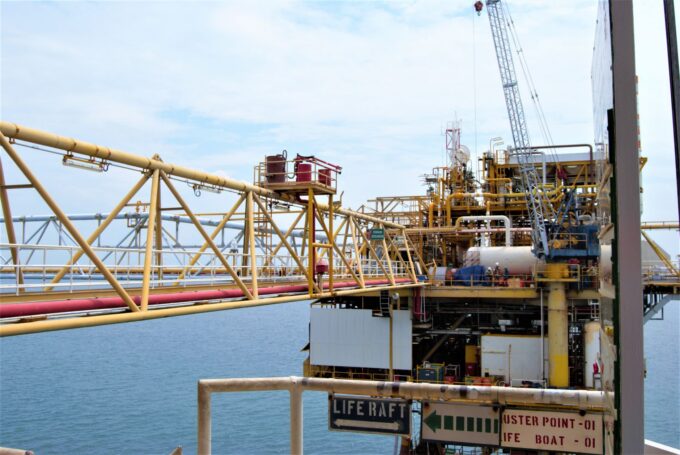
U.S. Issues License for Oil and Gas Exploration in Venezuela
The U.S. has authorized oil and gas exploration in Venezuela, a pivotal...
 2 Mins read

Tren de Aragua Leader Captured in Venezuela Appears in Nebraska Court
The apprehension of a Tren de Aragua leader marks a significant development...
2 Mins read
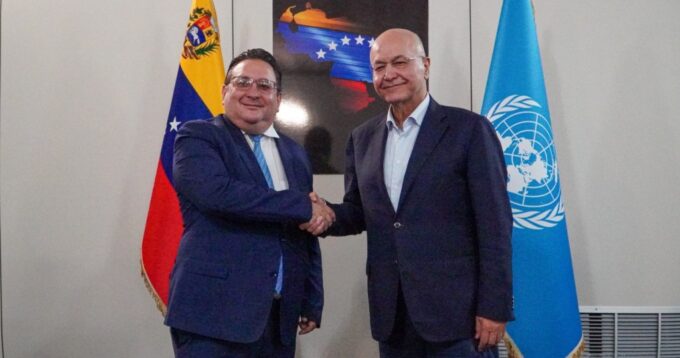
A New Chapter: UNHCR Commissioner Barham Salih’s Visit to Venezuela
UNHCR Commissioner Barham Salih visits Venezuela to strengthen cooperation and address refugee...
2 Mins read
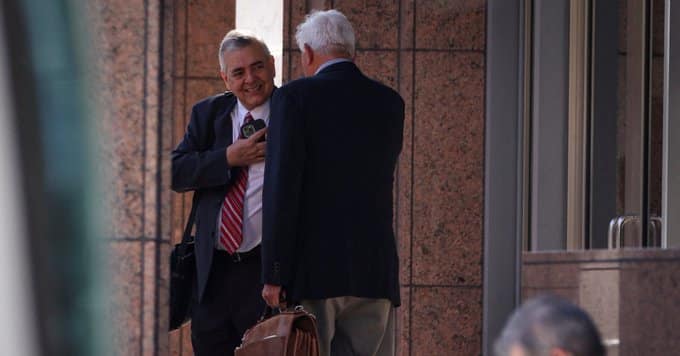


The Fall of a Political Figure: David Rivera’s Ten-Year Sentencing
David Rivera, former U.S. congressman, sentenced to ten years in prison for...
2 Mins read

Leave a comment